As solar energy becomes increasingly popular, maintaining solar panel cleaning machines efficiently is crucial. Experts like Dr. Emily Carter, a recognized authority in solar technology, have emphasized the importance of reducing operational costs. She states, “The key to longevity in solar maintenance is understanding cost reduction strategies.” This highlights a significant challenge in the industry: How to reduce maintenance costs of solar panel cleaning machines.
Maintaining these machines can be a significant financial burden for many operators. It’s essential to explore various strategies to alleviate these costs. Regular maintenance, for example, is often overlooked but can lead to costly repairs down the line. Efficient cleaning methods can not only enhance performance but also save money. Automation technologies, such as robotics and smart systems, may seem like an upfront expense, but they can drastically lower long-term maintenance costs.
It’s important to recognize the balance between investment and savings. Sometimes, cheap solutions can lead to higher costs later. Engaging with experts and consistently adapting best practices can keep your operations streamlined. Each decision made impacts the overall efficiency and sustainability of the cleaning process. Keeping these factors in mind is vital for optimizing the management of solar panel cleaning machines.
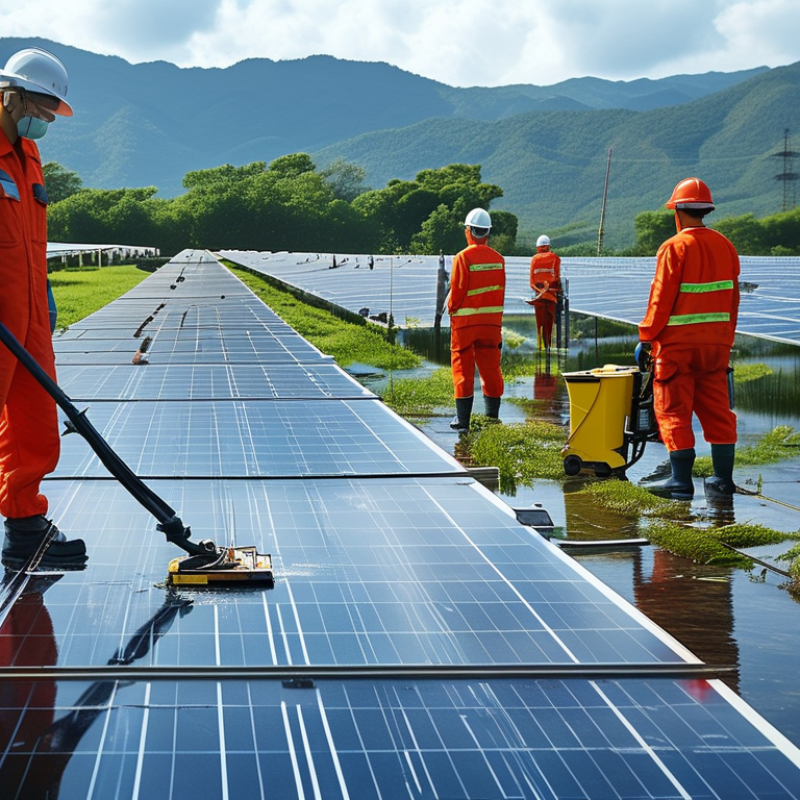
Understanding the costs associated with solar panel cleaning machines is essential for maintaining solar energy systems. These machines help keep panels efficient by removing dirt and debris. However, their initial purchase can be steep for businesses or homeowners.
Annual cleaning costs can accumulate if not monitored properly. Using skilled workers can increase costs significantly. It's crucial to evaluate whether to invest in automation or manual cleaning tools. Some users find that regular manual cleaning is adequate, while others rely on machines for large installations. The choice varies based on needs and local conditions.
An effective approach is to compare different cleaning methods. Each method has its pros and cons. Automated machines may save labor hours but could require repairs. Manual cleaning is less costly upfront but can be more labor-intensive. Maintaining a balance between cost and efficiency invites reflection. Prioritize what works best for your specific setup and budget.
When evaluating different types of solar panel cleaning machines, it’s crucial to focus on efficiency and cost-effectiveness. The solar industry reports that clean panels can boost energy production by up to 30%. This figure emphasizes the necessity of regular maintenance and cleaning. However, not all cleaning machines offer the same benefits or costs.
Automatic cleaning systems, while more expensive upfront, can save labor costs. They often operate without water, using dry brushes or microfiber cloths. A study shows these machines reduce the need for frequent human intervention. On the other hand, manual cleaning approaches are cheaper but may require more time and effort. It’s essential to analyze the return on investment (ROI) depending on the size of the solar installation.
Consider the environmental impact too. Some machines use eco-friendly solutions, aligning with sustainability goals. Yet, the initial price may seem high. Research indicates that an investment in more efficient machines can reduce long-term operational costs. However, not every machine suits all environments. Local weather conditions and the solar panel’s angle can affect cleaning effectiveness, leading to mixed results. Exploring various options can help you find the right balance between cost and performance.
Solar panel cleaning is crucial for maintaining efficiency. Research shows that dirty panels can lose up to 25% of their energy output. Traditional cleaning methods often require significant water and labor costs. Finding effective, low-cost solutions is essential for all solar installations.
Innovative cleaning techniques are emerging. For instance, dry cleaning methods using brushes and biodegradable soaps have gained traction. They reduce water use, fulfilling environmental standards. A recent industry survey indicated that 78% of solar operators are exploring automated cleaning systems, which streamline the process. However, the initial investment can be challenging.
Additionally, the use of drones for inspection can provide real-time data, focusing cleaning efforts where needed most. This method can also cut labor costs by up to 30%. Still, the technology requires skill. Understanding these methods is vital for maximizing savings while ensuring panels remain functional. Balancing efficiency and cost is a continuing challenge for the industry.
Regular maintenance is crucial for solar panel cleaning machines. It ensures optimal performance and longevity. Routine checks can catch minor issues before they become major, costlier problems. Regular cleaning of filters and checking for wear can reduce the frequency and expense of repairs.
Ignoring maintenance can lead to significant costs over time. A neglected machine can underperform, leading to wasted energy and higher operational expenses. Developing a simple maintenance schedule can help ensure that your equipment runs efficiently. Consider setting reminders for inspections, cleaning, and part replacements.
Investing time in preventive care creates a more reliable machine. While it might seem tedious, regular upkeep pays off. Each effort contributes to avoiding unexpected breakdowns. A proactive approach to maintenance will ultimately save money and improve your solar cleaning operations.
In today's solar industry, cleaning solutions are evolving rapidly. Reports indicate that the market for solar panel cleaning technologies is expanding, projected to reach $1.5 billion by 2025. This growth highlights the increasing importance of efficient cleaning methods. Innovations, such as automated robotic cleaners, use advanced sensors to detect dirt and grime. These machines can save labor costs and reduce water usage, addressing two major expense areas.
Moreover, data shows that manual cleaning can cost up to $300 per megawatt per year. In contrast, automated solutions can reduce these costs by 40%. This significant reduction proves that investing in technology can lead to substantial savings. However, not all automated systems are foolproof. Inconsistent performance and high initial costs can deter investment. Businesses must evaluate their specific needs and budget before making decisions.
Emerging technologies, like AI-driven cleaning machines, promise even more efficiency. Reports suggest these systems can adapt to weather conditions and dirt accumulation rates. Yet, reliance on technology raises concerns. Dependency on machines may lead to oversight in maintenance. Balancing innovation with reliable practices remains a crucial challenge. As the market continues to evolve, understanding these dynamics is essential for cost-efficient cleaning solutions.
| Method | Innovation Type | Estimated Cost Savings (%) | Implementation Time (Months) | Maintenance Frequency (Years) |
|---|---|---|---|---|
| Automated Robotic Cleaners | Robotics | 30% | 12 | 1 |
| Nanotechnology Coatings | Material Science | 25% | 6 | 3 |
| Smart Water Management Systems | IoT Technology | 20% | 8 | 2 |
| UV Light Cleaning Technologies | Light Technology | 15% | 5 | 4 |
| Eco-Friendly Cleaning Solutions | Chemistry | 10% | 3 | 1 |
: Cleaning maintains efficiency. Dirty panels can lose up to 25% of energy output.
Initial purchase costs can be steep. Annual cleaning costs can add up if not monitored.
Automating saves labor hours but requires repairs. Manual cleaning is cheaper upfront but labor-intensive.
Dry cleaning with brushes and biodegradable soaps reduces water use and fulfills environmental standards.
Regular checks catch minor issues early. It reduces repair costs and ensures optimal performance.
Neglect can lead to underperformance and higher operational costs over time.
Drones offer real-time data and can cut labor costs by up to 30%, but require skill.
Schedule inspections, cleaning, and part replacements to ensure efficient operation.
Evaluate and compare cleaning methods. Prioritize solutions that fit your setup and budget.
Balancing cost and efficiency invites thoughtful decisions for better long-term outcomes.
The article "2026 Best Ways to Cut Costs for Solar Panel Cleaning Machines" highlights the importance of managing costs associated with solar panel cleaning machines. It emphasizes evaluating various types of cleaning machines and identifying cost-effective techniques and tools. One key focus is on how to reduce maintenance costs of solar panel cleaning machines through regular upkeep, which can significantly lower long-term expenses.
Moreover, the article explores innovative technologies that can provide cost savings in cleaning solutions, ensuring that users can maintain high efficiency while minimizing expenditures. By adopting these strategies, solar panel operators can effectively enhance the longevity and performance of their cleaning machines while keeping operational costs in check.

Stuart Solar