As the world shifts towards cleaner energy, solar power remains a key player. However, solar mounting systems can experience significant energy loss. Understanding how to reduce energy loss in solar mounting systems is essential for maximizing efficiency. This article explores the best ways to address this challenge.
Solar panels require optimal positioning and secure installations to function at their best. Poor alignment or inadequate attachments can lead to lower energy production. The materials used in mounting systems also play a vital role. For instance, metal corrosion or poorly insulated components negatively impacts performance. Therefore, a comprehensive approach is necessary.
Focusing on innovative mounting technologies can yield better results. Employing adjustable mounting systems allows for better sun exposure. Additionally, regular maintenance can help identify issues early. Reflecting on these factors is crucial for improving energy outcomes. While solutions exist, there is always room for improvement in energy efficiency strategies.
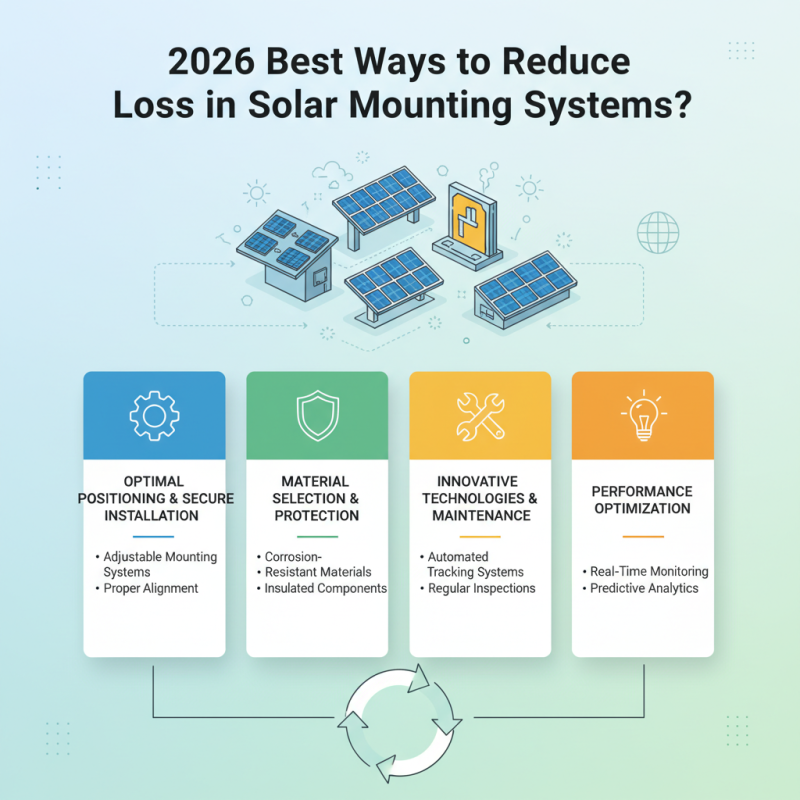
Solar mounting systems are critical in optimizing energy efficiency in photovoltaic installations. Effective design can significantly minimize energy loss. According to the National Renewable Energy Laboratory (NREL), improper angles and spacing in mounting systems can lead to a 15% drop in energy output. Addressing these factors is essential.
One best practice involves choosing the right tilt angle for solar panels. A study by the Solar Energy Industries Association (SEIA) indicates that adjusting the angle to match local latitude can maximize solar exposure. Additionally, ensuring adequate airflow around panels prevents overheating, which can reduce efficiency. Maintaining a 5-10 cm gap between panels and mounting surfaces can enhance cooling.
Another aspect is to avoid shading from nearby objects. A report from the International Energy Agency (IEA) reveals that even partial shading can cut energy capture by 20% or more. Regular landscape assessments can identify and mitigate potential shade issues. By implementing these practices, designers can enhance reliability and performance, fostering a more sustainable future in solar energy.
| Method | Description | Effectiveness (%) | Cost (USD) | Implementation Time (Days) |
|---|---|---|---|---|
| Optimized Angle Adjustment | Adjusting the solar panel angle based on seasonal sunlight. | 15 | 200 | 10 |
| Stainless Steel Mounts | Using corrosion-resistant materials to maintain structural integrity. | 10 | 150 | 5 |
| Shading Analysis | Assessing the impact of nearby objects on sunlight exposure. | 20 | 100 | 7 |
| Regular Maintenance | Scheduled cleaning and inspection of panels. | 25 | 80 | 3 |
| Anti-Reflective Coatings | Applying coatings to reduce light reflection. | 30 | 300 | 15 |
: Tilt angles significantly influence solar energy absorption. Correct placement captures more direct sunlight for better efficiency.
The ideal angle varies by location. Regions near the equator benefit from flatter angles, while higher latitudes need steeper ones.
Dust accumulation, shading, and seasonal changes can lower performance. Regular maintenance is crucial to combat these issues.
Maintenance ensures panels operate at peak efficiency. Problems can arise from dirt, wear, or improper installation, leading to energy loss.
High-quality materials enhance durability and performance. They can increase lifespan by 20% compared to standard options, reducing overall costs.
Corrosion-resistant materials, like treated steel and aluminum, are ideal. They withstand weather and maintain performance over time.
High temperatures and humidity can affect material choice. Selecting appropriate materials based on climate helps prevent deterioration.
Physical deterioration can result in energy losses. Investing in high-quality materials helps mitigate these issues effectively.
Yes, improper installation can lead to significant energy loss. It highlights the need for skilled professionals in the setup.
Absolutely. The pursuit of optimal design is ongoing, presenting opportunities for innovation and enhanced efficiency.
To effectively address how to reduce energy loss in solar mounting systems, it is crucial to adopt best practices in design, ensuring optimal configurations that enhance solar efficiency. Key factors include analyzing optimal tilt angles, which significantly impact the overall energy output, and utilizing high-quality materials that improve the durability and performance of the solar infrastructure.
In addition, innovative technologies for monitoring energy production can help identify losses in real-time, enabling prompt corrective actions. Proper installation techniques are equally important, as they lay the foundation for a stable and efficient solar mounting structure. By focusing on these areas, stakeholders can effectively minimize energy loss, leading to improved performance and longevity of solar systems.

 Stuart Solar