In the world of solar energy, troubleshooting inverter problems is essential for optimal performance. Dr. Emma Walsh, an expert in renewable energy systems, emphasizes, "Understanding how to troubleshoot common solar inverter problems can save both time and money." Inverters play a crucial role in converting and managing energy from solar panels, yet they can sometimes malfunction.
Many homeowners face issues with their solar inverters, leading to disruption in power supply. Simple issues like error codes or connectivity problems can often be addressed without professional assistance. However, it’s important to recognize when a problem is beyond DIY efforts. Regular monitoring and maintenance can prevent unexpected failures.
Identifying the root cause of inverter issues requires a combination of knowledge and patience. While some problems may seem minor, they can escalate if ignored. Understanding how to troubleshoot common solar inverter problems is a valuable skill. Empowering yourself with this information not only enhances your solar experience but also encourages a sustainable energy future.
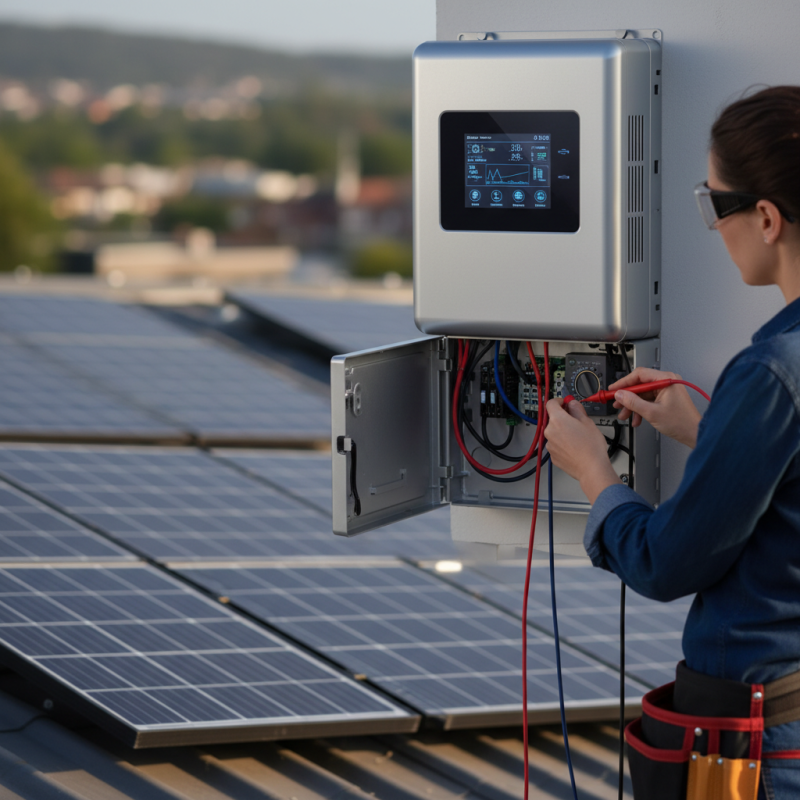
A solar inverter is vital for converting solar energy into usable electricity. However, various issues can arise. Identifying common symptoms can help troubleshoot problems effectively. Many systems display warning lights or error codes. Pay attention to these indicators. Often, they provide valuable insights into the issues at hand.
Another frequent symptom is a decrease in power output. If your solar installation is underperforming, check if the inverter is connected properly. Sometimes, loose wires or faulty connections can hinder performance. This isn't uncommon, and it reminds us to inspect our systems regularly. Additionally, strange noises or overheating can signal that something is wrong. These issues shouldn't be ignored, as they could lead to more significant problems.
Lastly, unexpected cessation of operation can happen. When an inverter stops functioning, it may not restart on its own. Monitoring the system during peak sunlight hours allows you to catch these situations early. It's vital to reflect on these symptoms. Understanding them can empower you to maintain your solar inverter more efficiently, ensuring reliable energy production.
Inspecting solar inverter connections is a crucial step in troubleshooting any issues. Start by ensuring all connections are secure. Loose connections can lead to inefficiencies. Check for corrosion, as it can diminish performance. Look for discoloration or rust on terminals. Even small issues can impact functionality.
Next, examine the wiring. Inspect for frays or damage along the cables. A tiny cut can cause major problems. Ensure the cables are properly connected to both the solar panels and the inverter. Take time to trace each wire back to its source. Inconsistent connections can lead to system failures.
Finally, conduct a visual inspection of the inverter itself. Look for warning lights or unusual sounds. These indicators can help diagnose problems. Remember to document your findings for future reference. This attention to detail reveals potential issues that might otherwise go unnoticed. Be prepared for the unexpected—sometimes the simplest solutions can lead to significant improvements.
Monitoring solar inverter performance is crucial for optimizing energy output. Mobile apps and tools have made this process easier. They track various parameters, such as voltage, current, and energy production. According to industry data, up to 30% of solar installations fail to operate at their full potential. This can often be traced back to inverter issues.
Using monitoring tools, users can receive real-time alerts on system performance. For example, if the energy output drops unexpectedly, a push notification can signal the need for troubleshooting. These tools often provide historical data, allowing users to spot trends. Regular monitoring can help identify problems before they escalate. A study found that proactive monitoring reduces downtime by nearly 20%.
However, not all apps provide accurate data. Users must learn how to interpret the information properly. Some tools may have connectivity issues or outdated software, which can lead to missed alerts. It’s vital to choose reliable monitoring systems and stay updated. Great insights can be gained, but understanding the limitations is equally important. Effectively using these tools requires ongoing attention and adjustment.
Identifying fault codes is crucial for troubleshooting solar inverter issues. Fault codes help users pinpoint the exact problem within the system. According to a report from the International Renewable Energy Agency, over 50% of solar inverter failures are linked to improper setup or wiring issues. When these faults occur, inverters display error messages that indicate potential malfunctions. Common codes include "overvoltage" and "ground fault," signaling specific issues needing immediate attention.
Understanding these error messages can aid in quicker resolutions. For instance, an "overtemperature" message may result from insufficient ventilation. Inadequate airflow can lead to performance declines, affecting energy yields by up to 20%. Users should regularly check for dust accumulation around the inverter and ensure it's installed in a shaded, well-ventilated area.
Another error, "grid fault," suggests issues with the electrical grid connection. This can occur due to fluctuations in voltage or frequency. Reports highlight that grid-related faults can contribute to approximately 30% of inverter failures. Not addressing these problems can affect overall system reliability and efficiency. Hence, recognizing and interpreting these fault codes is essential for maintaining a functional and efficient solar energy system.
When dealing with solar inverter problems, knowing when to seek professional help is crucial. If your inverter is consistently underperforming, that could indicate a deeper issue. Look for signs like unexpected shutdowns, strange noises, or error messages. These aren't typical. Don't ignore them. They might point to a serious malfunction.
Many simple tasks can help troubleshoot issues, but some require expertise. If you notice damage or if the inverter smells burnt, stop using it immediately. These are crucial warning signs. It’s better to be cautious. Calling a professional can save you time and money in the long run.
Tips: Regular maintenance can prevent future problems. Clean your inverter to avoid dust buildup. Observe system performance during different conditions. If you find inconsistencies that you can’t explain, don’t hesitate. Seek advice from a knowledgeable technician. The safety of your household should always come first.
: Inspecting connections ensures secure links, reducing inefficiencies caused by loose connections.
Corrosion can reduce performance. Look for rust or discoloration on terminals during inspections.
Inspect for frays or damage. Even small cuts can lead to major performance issues.
Use mobile apps to track voltage, current, and energy production effectively.
Conduct a visual inspection immediately. Document findings to assist with troubleshooting.
Real-time alerts help identify problems quickly, reducing downtime by nearly 20%.
Choose reliable tools and stay updated. Understanding app limitations is vital.
Watch for "overvoltage" and "grid fault" codes. They indicate serious issues needing attention.
Dust can lead to "overtemperature" messages. Ensure regular cleaning for optimal airflow.
Over 50% of failures arise from setup issues. Proper wiring is crucial for system reliability.
In the article "10 Best Ways to Troubleshoot Solar Inverter Problems," readers are guided through the process of identifying and resolving common issues associated with solar inverters. It begins by outlining the typical symptoms of inverter problems, such as reduced efficiency or sudden shutdowns. Following this, a step-by-step guide is provided for inspecting connections, ensuring that all components are secure and functioning properly.
Additionally, the article emphasizes the importance of monitoring solar inverter performance through various apps and tools, which can help users keep track of their system's health. Understanding fault codes and error messages is also essential, as this knowledge can simplify troubleshooting procedures. Finally, the article advises when it might be necessary to seek professional assistance, thus rounding out the comprehensive approach to **how to troubleshoot common solar inverter problems** effectively.

Stuart Solar