When considering solar energy, one crucial question arises: How to calculate the required number of solar panels for a home? This decision greatly impacts both energy consumption and financial savings. John Smith, a renewable energy consultant, emphasizes, "Understanding your energy needs is the first step to effective solar panel placement." His insights spotlight the importance of personalized calculations.
Setting clear energy goals is key. Homeowners must analyze their average electricity usage. This number helps determine how many solar panels are necessary. Factors such as solar panel efficiency and sunlight exposure also play a significant role. Each home presents unique challenges that can affect these calculations.
Many people underestimate their energy consumption. This oversight can lead to insufficient solar power generation. It's essential to assess your energy habits critically. Evaluating appliances, daily usage, and potential energy savings can enhance overall efficiency. Ultimately, learning how to calculate the required number of solar panels for a home empowers consumers to invest wisely in renewable energy.
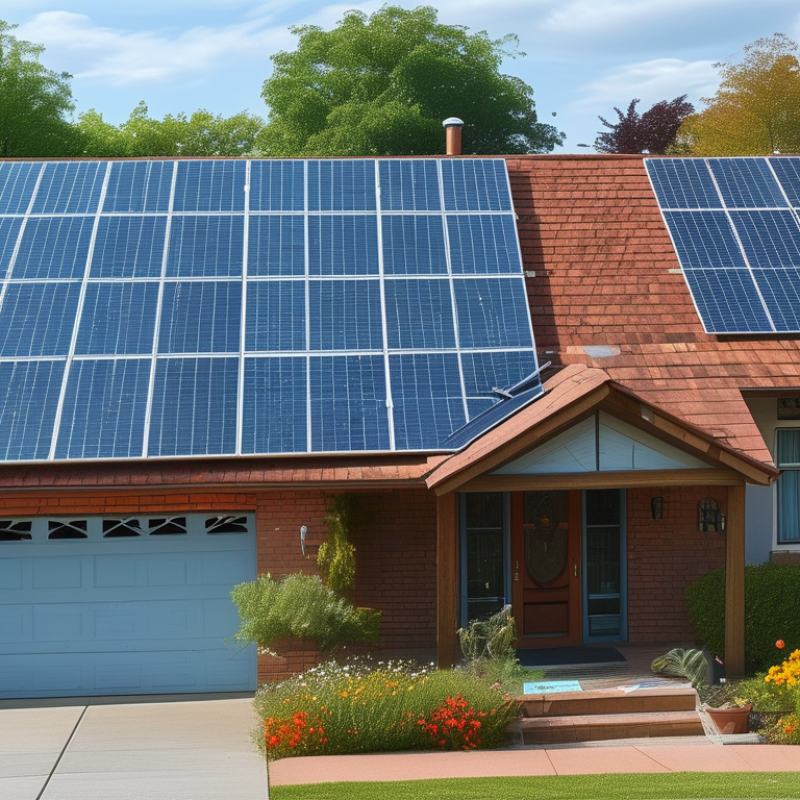
Understanding your home's energy needs is crucial when considering solar panels. Begin by assessing your average electricity consumption. Look at past utility bills to determine your monthly usage in kilowatt-hours (kWh). This figure will guide the number of solar panels you require. A typical home may use between 600 and 1,200 kWh per month.
Next, consider factors that affect energy use. Larger households usually consume more energy. Appliances, heating, and cooling systems also play vital roles. Each device has its energy needs. If you plan to install an electric vehicle charger, include that in your calculations.
It’s necessary to recognize potential inaccuracies in your estimations. Seasonal changes can affect your energy use. A home might utilize more energy in the summer due to air conditioning. Recording usage over different seasons might provide clearer insights. Moreover, energy efficiency upgrades can reduce the number of panels needed. Assessing insulation, lighting, and appliance efficiency is essential. Testing your home’s energy consumption allows for a more tailored approach to solar energy solutions.
This chart illustrates the average monthly energy consumption in kilowatt-hours (kWh) for a typical household and the corresponding number of solar panels required to meet that energy need.
Evaluating solar panel efficiency is essential for homeowners looking to harness solar energy.
Efficiency is measured by the percentage of sunlight converted into usable electricity.
Most residential solar panels today have efficiencies ranging from 15% to 22%.
According to the National Renewable Energy Laboratory, high-efficiency panels exceed 22% but often come at a premium price.
Output is another critical factor to consider. The average solar panel produces around 300 watts under ideal conditions.
In real-world scenarios, factors like shading and orientation decrease this output.
A typical home may require 20 to 25 panels to meet its energy needs, depending on consumption.
For instance, the average U.S. household uses about 877 kWh per month, translating to roughly 27 kWh daily.
Understanding these details helps homeowners make informed decisions. However, calculating the number of panels needed also requires consideration of local solar conditions.
Variability in sunlight exposure can affect system performance.
It’s important to assess your unique environment and energy usage patterns before proceeding.
These reflections lead to a more personalized and efficient solar solution.
Calculating the total solar panel area needed for your home can seem daunting. Start by determining your energy consumption. Review your electricity bills to find your monthly usage in kilowatt-hours (kWh). Next, consider the sunlight your area receives. This information helps to figure out how many panels are necessary to meet your needs.
Tips: Keep track of your seasonal energy usage. It varies throughout the year. Understanding peak hours can help in sizing your system better.
Once you have these numbers, use a simple formula. Divide your monthly kWh usage by the average sunlight hours your location gets. This gives you the required system size in kilowatts. Remember, solar panels are not all the same size. Their wattage impacts how many you'll need.
Tips: Evaluate roof space carefully. You may find obstacles like chimneys or shade from trees. These can reduce efficiency and may require repositioning panels or getting more of them.
Don't forget to factor in the efficiency rating of the panels. Higher efficiency means fewer panels. This can save space and potentially reduce your overall cost. Reflect on your priorities. Energy production, cost, and aesthetic preferences all play a role in your decision.
Determining the optimal placement and angle for solar panels is crucial for maximizing energy production. Studies show that solar panels perform best when angled between 30 to 45 degrees. This angle allows for better exposure to sunlight throughout the day. Factors like geographic location and roof orientation also play significant roles in efficiency. For instance, south-facing roofs generally capture more sunlight than those facing east or west.
Additionally, shading can severely impact a solar panel's performance. Trees, nearby buildings, or chimneys may create shadows that reduce energy output. A report from the National Renewable Energy Laboratory highlights that proper siting can lead to a 20% increase in energy production. Regularly assessing potential shading obstacles is essential.
The ideal placement of solar panels should minimize shading and maximize sun exposure. Also, consider seasonal changes in sun angle. Analytics show that slight adjustments can lead to energy gains over time. Homeowners should be cautious about relying solely on standard recommendations. Individual circumstances may lead to variations in optimal setups. Consulting with a solar installation expert is advised for tailored solutions.
Assessing local solar incentives and regulations is a crucial step in your journey to install solar panels. Understanding the local laws helps you navigate the complexities of solar energy installation. Many regions provide tax credits or rebates to encourage solar adoption. This financial assistance can significantly reduce your initial investment.
Researching state-specific rules is essential. Some areas have specific requirements for permits, while others may have restrictions on solar panel placements. It’s crucial to engage with local authorities. They can offer insights on any zoning laws that might affect installation. Also, some homeowners' associations may have guidelines on the aesthetics of solar panels.
Many incentives change frequently. It's important to stay updated on these regulations. If you're not careful, you might miss out on substantial savings. Consulting with local solar experts can provide clarity. They can help identify the best options available to you. This ensures you remain compliant while making the most of the available incentives.
: Start by determining your monthly energy consumption in kilowatt-hours (kWh). Review your electricity bills for this information.
Consider sunlight hours in your area. Also, check your seasonal energy usage and understand peak usage times.
Divide your monthly kWh usage by the average sunlight hours. This gives you the system size in kilowatts needed.
No, solar panels vary in size and wattage. This affects how many you will need for your energy goals.
Obstacles like chimneys or trees can reduce efficiency. Carefully assess your roof space before deciding on panel placement.
Higher efficiency ratings mean you need fewer panels. This can save space and potentially lower costs significantly.
Research local incentives like tax credits or rebates. These can lower your initial investment in solar energy.
Local laws can affect installation requirements and panel placements. Engaging with authorities helps ensure compliance.
Many incentives may change frequently. Staying updated is essential to avoid missing out on savings.
Consult local solar experts for guidance. They can help you understand options and navigate regulations effectively.
To determine how to calculate the required number of solar panels for a home, it's essential to start by understanding your household's energy needs. This involves assessing your monthly electricity consumption, measured in kilowatt-hours (kWh), which provides a baseline for the solar energy requirements. Next, evaluating the efficiency and output of potential solar panels allows for a more accurate calculation of how much energy each panel can provide.
Once you have this information, you can calculate the total solar panel area needed to meet your energy demands, factoring in local sunlight availability. Moreover, determining the optimal placement and angle of installation is crucial for maximizing energy capture throughout the day. Lastly, it’s important to assess any local solar incentives and regulations that could affect the overall cost and feasibility of installation. By following these steps, you can effectively create a plan for acquiring the appropriate number of solar panels to power your home efficiently.

Stuart Solar