Calculate Your Home's Solar Panel Needs Easily Today?

Time:2026-05-09 Author:Mason
0%

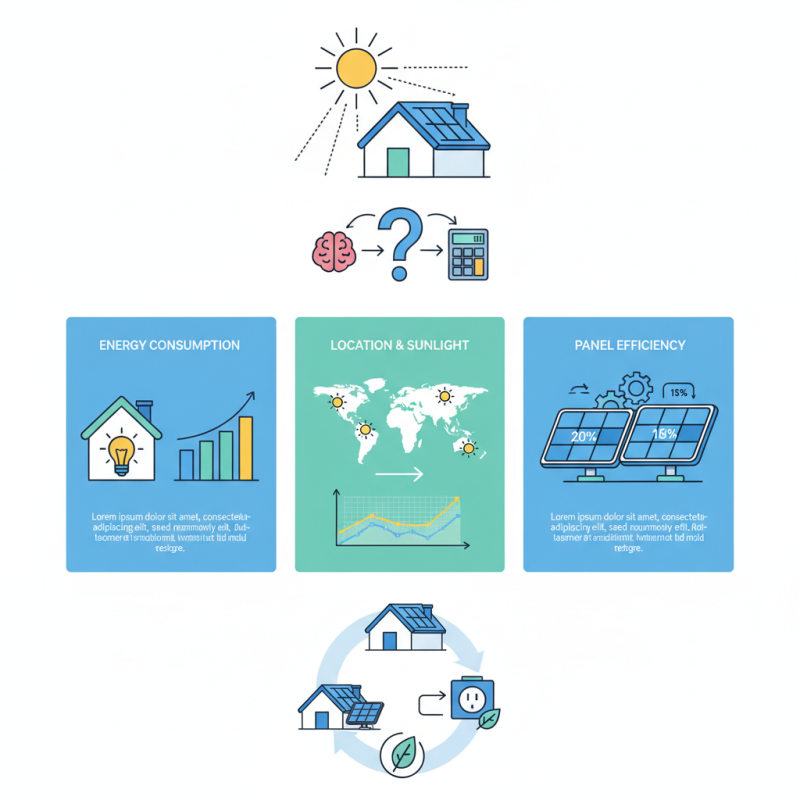
As homeowners increasingly seek sustainable energy solutions, understanding "how to calculate the required number of solar panels for a home" becomes crucial. According to the Solar Energy Industries Association (SEIA), residential solar capacity grew by 26% in 2022, showcasing a rising interest in harnessing solar energy. Key variables influence the number of panels needed, including energy consumption, location, and panel efficiency.

Industry experts like Dr. Emily Wang emphasize, “Calculating solar needs isn't just numbers; it’s about understanding your energy lifestyle.” This statement underscores the importance of personalized assessments. Homeowners should consider their average monthly electricity consumption to determine their solar panel requirements effectively.

Additionally, the National Renewable Energy Laboratory (NREL) recommends that homeowners evaluate local solar irradiance levels. This data aids in understanding how much sunlight their potential solar panels will receive. With the right calculations, installing solar panels can meet energy needs and contribute to a greener planet. Engaging with professionals during this process is advisable for the best outcomes.
Calculate Your Home's Solar Panel Needs Easily Today?

Understanding Your Home's Energy Consumption for Solar Panels

Understanding your home's energy consumption is vital for determining your solar panel needs. Start by calculating your average monthly electricity usage in kilowatt-hours (kWh). According to the U.S. Energy Information Administration, the average American household uses about 877 kWh per month. This figure can vary widely based on factors like home size and energy efficiency.

To estimate how many solar panels you need, use a simple formula: divide your monthly kWh usage by the average production of a solar panel. Typically, a standard solar panel produces about 300 watts, translating to approximately 1 kWh per panel per day. For instance, if your home consumes 800 kWh monthly, you may need around 26 panels to cover your energy consumption.

Tips: Consider energy-efficient appliances. Upgrading to Energy Star rated products can significantly reduce your electricity use. Also, monitor your energy habits. Small changes can lead to noticeable savings.

Beware of peak usage times. Energy consumption can vary throughout the day, affecting your solar panel efficiency. Analyze your energy bills for patterns. Understanding when you consume the most energy can help you better plan your solar system.

Factors to Consider When Sizing Solar Panel Systems

When sizing solar panel systems for your home, several key factors come into play. It’s essential to consider your energy consumption. Look at your past utility bills to identify your average monthly usage. A standard home typically uses about 877 kWh per month. This figure helps determine how much solar energy you will need.

Next, you need to assess your roof space. The size and orientation of your roof can influence panel placement. South-facing roofs tend to get more sunlight, while shaded areas will generate less power. It’s helpful to measure your roof’s square footage. Ensure it can accommodate enough panels for your energy needs.

Additionally, consider your local climate. Areas with more sun will affect the number of panels required. In cloudy regions, the numbers might change substantially. Potential homeowners often overlook this detail, leading to over- or under-sizing. Be sure to factor in future energy needs as well. Growing households often need more power, and planning can save money in the long run.

Solar Panel System Sizing Factors

This bar chart illustrates key factors that influence the sizing of solar panel systems for residential homes. These factors include home size, average electricity bills, sunshine hours, panel efficiency, and system cost per watt.

Step-by-Step Guide to Calculating Solar Panel Requirements

Calculating your home's solar panel needs can feel overwhelming. However, breaking it down into simple steps makes the process manageable. Start by assessing your energy usage. Look at past electricity bills to determine your monthly consumption in kilowatt-hours (kWh). This information is crucial for understanding how many solar panels you'll need.

Next, evaluate your roof's potential. Check the size and orientation. A south-facing roof typically captures the most sunlight. Keep in mind that shading from trees or other structures can reduce efficiency, so consider removing obstacles if possible.

Tips: Measure your roof's area accurately. Sometimes, homeowners overlook small sections that can accommodate panels. Calculate the optimal panel placement based on your roof's layout. This will avoid installation issues later on.

Lastly, don't forget to factor in potential energy loss. Systems can lose about 10-20% of their efficiency due to factors like temperature and inverter performance. It's worth reflecting on these variables, as they may affect your overall energy production. Taking these steps will help you confidently decide how many solar panels you need for your home.

Choosing the Right Type of Solar Panels for Your Home

Choosing the right type of solar panels for your home involves several factors. First, consider the energy needs of your household. Understanding your electricity consumption can help determine how many panels you require. Different types of panels, like monocrystalline, polycrystalline, and thin-film, have distinct efficiencies and costs.

Tips: Evaluate your roof space and sunlight exposure. Some panels perform better in shaded areas. Research local regulations regarding solar installation. This could affect your choice and overall installation process.

Next, think about your budget. While cheaper panels might save money upfront, they may not be as durable. Higher quality options often offer better warranties and longer lifespans.
Consider your long-term energy goals. Are you looking to reduce your carbon footprint? Each type of solar panel has a different environmental impact and energy output.

Tips: Consult with a solar energy expert. They can provide personal insights based on your specific location and needs. Remember, not all panels are suitable for every home. Evaluate your options carefully to find the best fit.

Calculate Your Home's Solar Panel Needs Easily Today

Solar Panel Type Efficiency (%) Cost per Watt ($) Average Lifespan (years) Ideal For
Monocrystalline 15-22 $0.80 - $1.20 25-30 Residential rooftops
Polycrystalline 13-16 $0.70 - $1.00 25-30 Mid-range budgets
Thin-Film 10-12 $0.50 - $0.80 10-20 Large installations
Bifacial 15-22 $0.90 - $1.30 25-30 Ground mounts, open fields

Estimating Installation Costs and Long-Term Savings with Solar Energy

Estimating installation costs for solar panels is crucial for homeowners. The average cost of solar panel installation in the U.S. ranges between $15,000 to $25,000, depending on system size and location. According to the Solar Energy Industries Association (SEIA), the solar market has seen a 167% increase in installations since 2010. This growth reflects a rising interest in solar energy and its benefits.

Long-term savings from solar energy can be significant. Homeowners can save an average of $20,000 on energy bills over 20 years. The actual savings depend on energy prices in your area and your system's output. Understanding your energy consumption is vital. Some homes may need a larger system than others due to usage patterns.

It's important to note that these figures can vary widely. Some installations may incur unexpected costs, such as roof repairs or permits. Additionally, factors like weather conditions and local incentives can influence overall savings. Engaging with a trusted solar energy consultant is advisable. They can provide tailored estimates and insights to help you make an informed decision.

FAQS

: How can I calculate my home's monthly energy usage?

: Review past electricity bills to find your average monthly consumption in kilowatt-hours (kWh).

What is the average kWh used by households?

The average household uses about 877 kWh per month, but this can vary significantly.

How do I determine how many solar panels I need?

Divide your monthly kWh usage by the average production of a solar panel, usually about 1 kWh per panel daily.

What factors affect my solar panel efficiency?

Peak usage times and shading from trees or buildings can significantly impact panel performance.

How should I assess my roof for solar panel installation?

Evaluate the size, orientation, and any obstacles that might block sunlight, especially trees or structures.

What energy losses should I consider?

Systems may lose about 10-20% efficiency due to temperature and inverter performance.

What types of solar panels should I consider?

Monocrystalline, polycrystalline, and thin-film panels vary in efficiency, cost, and suitability for your needs.

How important is budget when choosing solar panels?

While cheaper panels save upfront costs, they may lack durability compared to higher-quality options.

Why is it essential to consult with a solar energy expert?

They can provide personalized advice based on your location, budget, and energy needs.

What should I reflect on when choosing solar panels?

Consider your long-term energy goals and how different panels impact your carbon footprint and energy output.

Conclusion

Calculating the required number of solar panels for a home starts with a thorough understanding of your household's energy consumption. It's essential to analyze your electricity bills and identify peak usage to determine how much energy you need the solar panels to produce. Factors such as location, roof size, and solar panel efficiency will also influence the sizing of your solar panel system.

To calculate the required number of solar panels for a home, follow a step-by-step guide that includes measuring your energy needs, assessing solar panel specifications, and considering additional factors like shading and orientation. Additionally, it’s important to address installation costs and potential long-term savings. By choosing the right type of solar panels for your specific situation and understanding the overall investment, homeowners can make informed decisions about harnessing solar energy effectively.

Mason

Mason

Mason is a seasoned marketing professional with a deep expertise in the company's offerings and a passion for driving brand awareness. With a strong background in digital marketing strategies, he has an innate ability to connect with diverse audiences and effectively communicate product benefits.......