How to Choose Solar Mounting Systems for Different Terrains?

Time:2026-05-19 Author:Sienna
0%

Choosing the right solar mounting systems is crucial for maximizing efficiency across different terrains. Expert Mark Thompson, a solar installation consultant, emphasizes, "Every terrain poses unique challenges and opportunities." Understanding how to choose solar mounting systems for different terrains can significantly influence the performance of solar panels.

Different landscapes, from flat roofs to sloped hills, require tailored mounting solutions. For instance, a flat terrain may favor anchored mounts, while slopes might need ballasted options for stability. Conditions like high winds or heavy snow also play a vital role.

However, many overlook these factors. Mistakes in selecting mounting systems can lead to increased maintenance costs and reduced energy output. While it is tempting to generalize solutions, the intricacies of each environment demand careful consideration. Choosing the appropriate system is not just about cost but also about long-term reliability and efficiency. Proper evaluation of terrain can guide informed decisions that enhance solar energy harnessing.
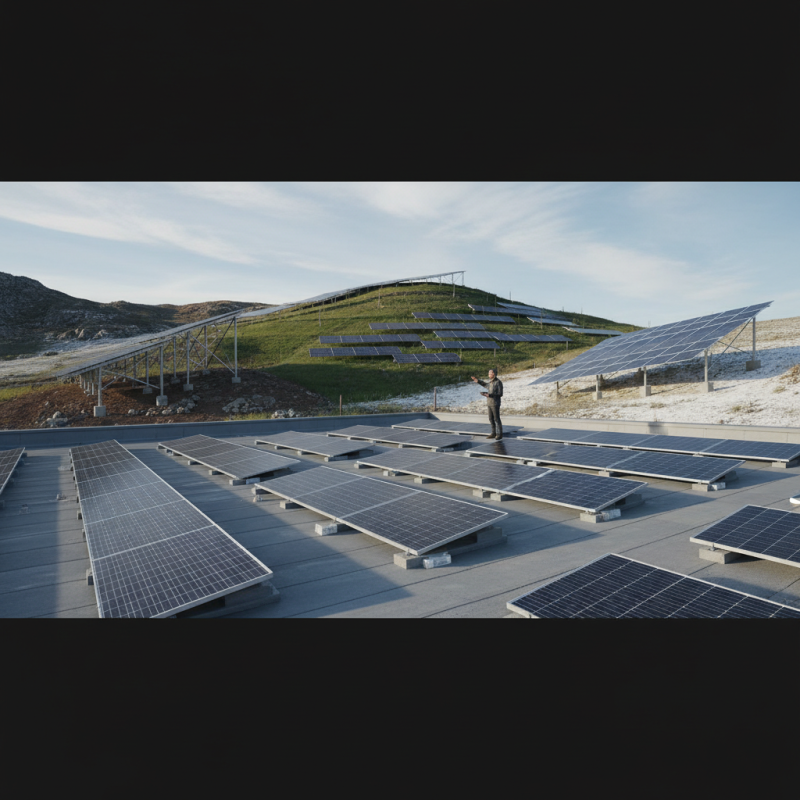
How to Choose Solar Mounting Systems for Different Terrains?

Understanding the Basics of Solar Mounting Systems

When it comes to solar mounting systems, understanding the basics is crucial. These systems support solar panels and secure them in place. They come in various types, including fixed, adjustable, and tracking systems. Each type serves a unique purpose based on terrain characteristics.

Flat surfaces, such as rooftops, are ideal for fixed mounting systems. They require minimal adjustment and are cost-effective. In contrast, uneven or sloped terrains benefit from adjustable or tracking systems. These systems can tilt or rotate panels, optimizing sunlight exposure throughout the day. However, the complexity and cost increase with these advanced systems.

Selecting the right mounting system is not just about function. You must consider local weather conditions and soil types. Heavy winds may require more robust supports. Similarly, sandy or loose soils need deeper foundations. Failing to assess these factors can lead to system failures. It’s essential to reflect on the site’s specific needs before making a decision. This ensures both durability and optimum energy production.

How to Choose Solar Mounting Systems for Different Terrains?

Terrain Type Recommended Mounting System Key Considerations Cost Estimate ($/W)
Flat Roofs Ballasted Mounting No roof penetrations; weight constraints 1.50 - 2.00
Sloped Roofs Rail-based Mounting Roof angles; load distribution 1.20 - 1.80
Ground-mounted Pole Mounts Soil type; ground stability 1.00 - 1.50
Hilly Surfaces Adjustable Racks Terrain gradients; elevation changes 1.30 - 1.70
Rustic Areas Ground Screws Environmental impact; biodiversity 1.20 - 1.60

Assessing Terrain Types for Solar Panel Installation

When assessing terrain types for solar panel installation, it’s crucial to understand the nuances of different landscapes. Flat terrains are often the most straightforward. They allow for easy installation and maintenance of solar mounting systems. However, drainage becomes important here. Water pooling can damage panels. In contrast, sloped terrains present unique challenges. Mounting systems must be carefully designed to withstand wind loads and prevent soil erosion.

Rocky or uneven surfaces can complicate installation. Ground preparation becomes essential, as installers may need to level areas. The stability of the mounting system is vital in these terrains. Using anchors can enhance stability, but installation requires expertise. In some cases, professional guidance is necessary to ensure safety and effectiveness.

Lastly, highly variable terrains, such as mountains or hills, often require custom solutions. The local climate and geographical conditions must be evaluated. Shade from nearby trees and structures can affect solar efficiency. Thus, thorough site assessment is crucial. Emphasis should always be on reliability and suitability for the specific environment.

Key Factors to Consider in Terrain-Specific Mounting Solutions

Selecting the right solar mounting system for your terrain is crucial. Factors vary widely depending on the landscape features. Flat ground, sloped hills, or rocky areas each require unique mounting solutions to ensure stability and efficiency.

In flat terrains, consider the wind load. Ground screws or concrete blocks can provide the necessary support. In rocky areas, adjustable mounts often work better. They allow for customization according to the land's topography. Always analyze soil type and drainage to avoid future problems.

Tip: Before choosing, assess the terrain's unique features. Is it prone to flooding? Understand local weather patterns to make informed decisions.

For sloped terrains, tilt angle is another critical factor. The angle affects energy output. It’s vital to choose an adjustable mounting system to modify the tilt based on seasonal sun paths. Conducting a shade analysis is wise. Even small obstacles can significantly impact performance.

Tip: Document previous solar projects in similar locations. Learn from past experiences to refine your installation strategy. Reflect on these insights to improve your choice of mounting systems.

Comparing Fixed and Adjustable Mounting Systems for Various Terrains

When selecting a solar mounting system, terrain plays a crucial role. Fixed mounting systems are best suited for flat and stable landscapes. They are simpler and often less expensive. However, they may not utilize sunlight as efficiently on uneven ground or steeper slopes. Data from the Solar Energy Industries Association (SEIA) indicates that fixed systems can lose up to 15% efficiency in these conditions.

Adjustable mounting systems offer greater versatility. They allow the angle of solar panels to be modified for optimal sun exposure. This adaptability is helpful for hilly terrains. Research has shown that adjustable systems can improve energy output by up to 30% compared to fixed systems on varied landscapes. However, they are often costlier and require more maintenance.

Choosing the right system involves weighing efficiency against budget and maintenance needs. Fixed systems have fewer points of failure. Adjustable systems, while improving yields, introduce complexity. A detailed assessment of the site is essential. Is the terrain stable? Are there frequent maintenance tasks? These questions can influence the final decision significantly.

Common Challenges and Solutions for Different Terrains in Solar Installations

When installing solar systems, terrain plays a crucial role. Different landscapes present unique challenges. Rocky ground can hinder installation. Soft soil may require additional support. Understanding these issues ensures a smoother installation process.

For sloped areas, proper mounting systems are essential to maximize sun exposure. Some systems allow for adjustment to match the terrain's angle. Ineffective installations could lead to reduced energy collection. Always assess the specific slope before choosing a system.

In flat terrains, wind factors become critical. Strong winds can displace temporary installations. Choose durable, weighty mounts to counteract this. Check local weather patterns to anticipate potential challenges.

Tips: Always consult professionals familiar with your terrain. Performing a site analysis prior to installation is invaluable. Consider seasonal changes that may affect sun positioning. Each decision impacts overall system efficiency.

FAQS

: What should I consider when choosing a solar mounting system for different terrains?

: Analyze the specific landscape features like slopes, flat ground, or rocky areas for stability.

How does terrain affect wind load on solar mounts?

In flat terrains, wind load is crucial. Use ground screws or concrete blocks for better support.

What type of mounting is best for rocky terrains?

Adjustable mounts work well since they adapt to the unique topography of rocky areas.

Why is tilt angle important for sloped terrains?

The tilt angle affects energy output, so choose an adjustable system for seasonal modifications.

How can shade impact solar panel performance?

Small obstacles can cause significant shade issues, affecting overall energy production.

Should I document my previous solar projects?

Yes, analyzing past experiences helps refine your installation strategies for better outcomes.

What are the pros and cons of fixed mounting systems?

Fixed systems are simpler and cheaper but can be less efficient on uneven ground.

How much efficiency can adjustable systems improve?

They can enhance energy output by up to 30% in varied landscapes compared to fixed ones.

Do adjustable systems require more maintenance?

Yes, while they optimize energy, they introduce complexity and higher maintenance needs.

What factors influence the choice between fixed and adjustable systems?

Consider efficiency, budget, and maintenance needs when making your decision.

Conclusion

In "How to Choose Solar Mounting Systems for Different Terrains," the article begins with an overview of solar mounting systems, crucial for supporting solar panels securely and efficiently in various environments. It emphasizes the importance of assessing different terrain types—such as flat, sloped, or rocky landscapes—to determine the most suitable installation methods.

Key factors to consider include soil conditions, weather patterns, and accessibility for maintenance. The comparison between fixed and adjustable mounting systems highlights their respective advantages based on terrain characteristics. Additionally, common challenges like uneven ground or extreme weather conditions are discussed, along with practical solutions to ensure optimal solar panel performance. Overall, understanding how to choose solar mounting systems for different terrains can enhance solar installation efficiency and longevity.

Sienna

Sienna

Sienna is a skilled marketing professional with a deep expertise in our company’s core products and services. With a passion for innovation and detail, she plays a pivotal role in crafting insightful blog posts that not only highlight the unique features of our offerings but also provide valuable......