Choosing solar panels can be daunting. Understanding how to choose the right solar panels for a photovoltaic system is essential. Expert energy consultant, Dr. Lisa Green, emphasizes, "Selecting the right panels can significantly enhance your system's efficiency."
Whether you are going solar for environmental reasons or to cut your energy bills, the right panels are vital. Many people overlook the importance of efficiency ratings and warranties. These factors can impact performance and longevity. It can be easy to rush through the selection process, but this choice deserves careful thought.
Consider the size and energy needs of your home. Not all panels are created equal. Some perform better in low-light conditions, while others excel in sunny areas. Each decision affects the overall effectiveness of your photovoltaic system. Therefore, taking the time to research and reflect on your options is crucial for long-term satisfaction.
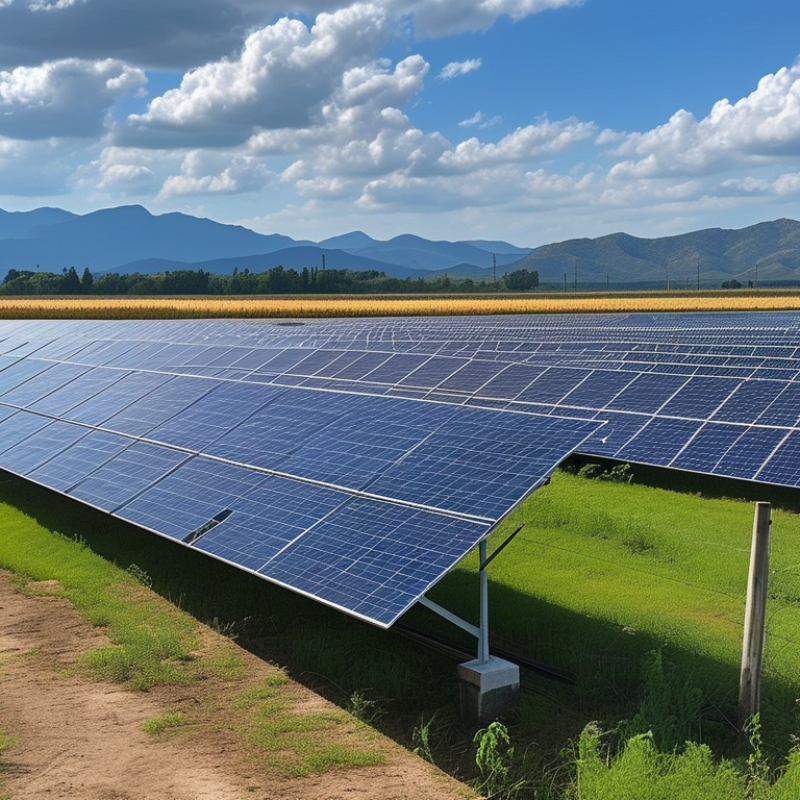
When selecting solar panels for your photovoltaic system, understanding efficiency is crucial. Higher efficiency panels convert more sunlight into electricity. This can be especially important if you have limited roof space. But efficiency is just one part of the equation.
Durability is another key factor. Look for panels that can withstand harsh weather conditions. Invest in products that have a robust warranty. This signals manufacturer confidence in their longevity. Also, consider the power output rating which determines how much energy each panel can produce.
Lastly, assess the certifications of the solar panels. Check if they meet industry standards. Authentic certifications are signs of reliability and performance. Reflect on the long-term energy savings versus initial costs. Choosing the right solar panels is an investment that requires careful thought. Balancing these factors will help refine your decision.
When selecting solar panels for your photovoltaic system, understanding the different types is crucial. Monocrystalline panels are often the most efficient choice. They are made from a single crystal structure, leading to higher energy conversion rates. This means they can produce more electricity in a smaller space. However, they often come with a higher price tag, which can be a drawback for some homeowners.
Polycrystalline panels are a more economical option. They consist of multiple crystal structures, making them less efficient than monocrystalline panels. This results in slightly lower energy output. However, they tend to be more affordable and have a simple manufacturing process, which appeals to budget-conscious consumers. Keep in mind, their larger size can require more roof space for installation.
Thin-film panels represent a third option. They are lightweight and flexible, allowing for versatile installation scenarios. This can be especially useful for unconventional rooftops. Despite their flexibility, thin-film panels typically have lower efficiency ratings. They may require more space and might not be suitable for everyone. Ultimately, weighing these options carefully is vital. Each type has its pros and cons, and personal energy needs should guide your decision.
Choosing the right solar panels is crucial for optimal energy production. Efficiency ratings directly impact how much electricity your system generates. Look for panels with high performance under various conditions. Many panels perform well in direct sunlight but may falter in cloudy weather. This discrepancy can affect long-term energy yields.
When assessing efficiency, consider the panel's temperature coefficient. A lower coefficient indicates better performance in high temperatures. This is essential for regions with intense heat. Additionally, review independent testing data to ensure reliability. Often, manufacturers’ claims can be overly optimistic.
Tips: Compare different panel types, such as monocrystalline and polycrystalline. Each has unique efficiencies and costs. Analyze your specific energy needs and local climate. Also, don’t overlook warranties. A comprehensive warranty often reflects the manufacturer’s confidence in their product. Stay informed about developments in solar technology to make educated choices.
| Panel Type | Efficiency Rating (%) | Power Output (W) | Temperature Coefficient (%/°C) | Warranty (years) |
|---|---|---|---|---|
| Monocrystalline | 20.5 | 350 | 0.35 | 25 |
| Polycrystalline | 18.0 | 320 | 0.40 | 25 |
| Thin Film | 11.0 | 150 | 0.30 | 10 |
| Bifacial | 21.0 | 360 | 0.35 | 30 |
When choosing solar panels, understanding warranties and lifespan is crucial. Most solar panels come with a warranty of 25 years, reflecting their expected durability. However, the actual performance may decline over time. Industry reports suggest that after 25 years, panels operate at about 80% efficiency, which can impact long-term savings.
A study by NREL highlights that the average lifespan of solar panels ranges from 25 to 30 years. Factors such as weather conditions, installation quality, and maintenance can influence this lifespan. For instance, harsh climates might lead to faster degradation. It’s vital to consider the environmental conditions of your location when assessing durability.
Another point to consider is the difference in warranties. Some manufacturers provide better coverage for performance versus product defects. Research indicates that companies with extensive reputations often back their products with stronger warranties. This adds an additional layer of reliability for consumers when making their choices. Understanding these nuances can prevent costly mistakes in the future.
When considering solar panel installation, understanding costs and financing options is essential. The installation costs can vary significantly based on system size, type, and location. According to the U.S. Department of Energy, the average price of residential solar systems is about $3.00 to $4.00 per watt. In 2022, solar energy prices dropped nearly 11% due to increased efficiency and competition among manufacturers.
Financing solar panels can be a complex decision. Options include outright purchases, solar loans, and leases. In a recent study by the Solar Energy Industries Association, around 57% of installed solar systems were financed through loans, illustrating the growing trend of financing among homeowners. Tax credits and local incentives can further reduce upfront costs. For instance, the federal solar tax credit allows homeowners to deduct 26% of installation costs from their federal taxes, but it is set to decrease in the coming years.
Many prospective buyers might feel overwhelmed by financing choices. It's important to examine interest rates and repayment terms. Some arrangements may seem attractive but could lead to higher long-term costs. Calculating the return on investment (ROI) is crucial for evaluating these options. With careful consideration, homeowners can find financing that fits their needs while maximizing savings.
: The three main types are monocrystalline, polycrystalline, and thin-film panels. Each has its unique features.
They are highly efficient, producing more electricity in a smaller space. This helps with limited roof areas.
They are more affordable and cost-effective. Budget-conscious consumers often find them appealing for their overall value.
They are lightweight and flexible. This allows for a variety of installation options, especially on unconventional rooftops.
Look for high-performance ratings under different conditions. Panels might not perform as well in cloudy weather.
A lower temperature coefficient means better performance in heat. This matters in hot climates where overheating can reduce efficiency.
Comprehensive warranties indicate manufacturer confidence. They can also protect your investment in the long run.
Not always. It’s wise to review independent testing data for a more realistic performance picture.
Analyze your energy requirements and local climate. Different types perform better under different conditions.
They generally have lower efficiency ratings. This may require more space for installation compared to other panel types.
Choosing the right solar panels for a photovoltaic system involves several important factors. First, it's essential to consider the type of solar panels available, including monocrystalline, polycrystalline, and thin-film options, each offering distinct advantages and disadvantages. Next, assessing the efficiency ratings and overall performance of the panels will help in determining which panels will provide optimal energy output for your needs.
Additionally, understanding the warranties and lifespan of solar panels is crucial, as these can significantly affect your long-term investment. Finally, comparing costs and financing options for solar panel installation ensures you make an informed decision that aligns with your budget. By carefully examining these aspects, you can effectively learn how to choose the right solar panels for a photovoltaic system that meets your energy requirements and financial considerations.

Stuart Solar