Choosing between on-grid and off-grid solar inverters can be a daunting task. The decision hinges on various factors, including energy needs, location, and budget. Expert Chris Thompson, a renowned solar energy consultant, states, “Understanding your energy requirements is key to making an informed choice.” This highlights the importance of evaluating personal energy consumption patterns when considering solar solutions.
On-grid systems are typically tied to the utility grid. They are cost-effective and allow users to sell excess energy back to the grid. However, they rely on the grid's availability. Off-grid systems offer independence from utility providers. These setups can be more expensive but are ideal for remote areas where grid access is limited.
It’s essential to weigh these aspects carefully. The implications of switching may not be immediately visible. For instance, an on-grid system might initially seem cheaper. Yet, long-term energy prices can affect overall savings. In contrast, off-grid systems offer reliability but require a higher upfront investment. Understanding how to choose between on-grid and off-grid solar inverters ultimately depends on individual circumstances and future goals.
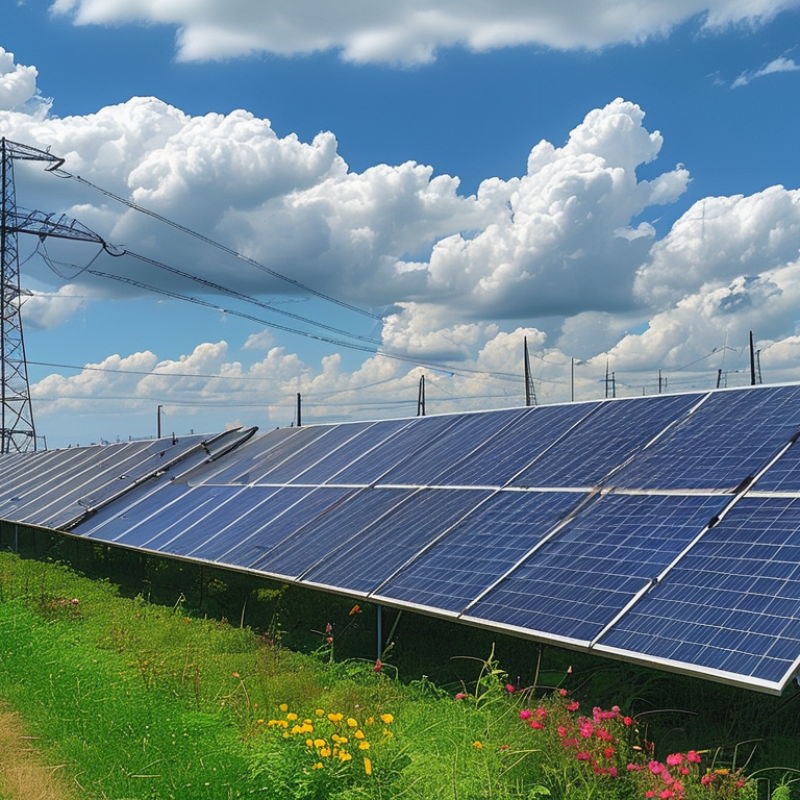
Solar inverters are essential in converting the DC electricity generated by solar panels into AC electricity. This AC electricity is what powers homes and businesses. Understanding the basics of solar inverters is crucial when considering whether to choose an on-grid or off-grid system. Each type has its own distinct features.
On-grid inverters are typically cheaper and easier to install. They connect directly to the utility grid. This allows homeowners to sell excess energy back to the grid. However, they rely on the grid for functionality. If the grid goes down, so does the system. This dependency might lead to frustration when power outages occur.
Off-grid inverters offer more independence. They allow users to generate, store, and use energy without the grid. This system typically requires batteries, adding to the initial cost. Maintenance can be more demanding, as users must monitor battery health regularly. This reality may not be ideal for everyone. Certain regions experience challenges with energy storage, making the off-grid option less reliable.
When selecting between on-grid and off-grid solar inverters, understanding their key differences is essential. On-grid solar inverters connect to the utility grid. They rely on the grid for energy when solar output is insufficient. In this setup, you can benefit from net metering. This means you can sell excess power back to the grid. The downside is that during a power outage, your system will shut down for safety reasons.
Off-grid solar inverters, on the other hand, operate independently of the grid. They use batteries to store energy. This setup is ideal for remote areas with no grid access. You gain energy autonomy, but it comes with challenges. Off-grid systems often require higher initial investments. Sizing your battery bank and managing energy use can be complex. You might face limits on energy consumption, making it essential to monitor usage closely.
Both options have distinct advantages and flaws. An on-grid system is simpler to install and maintain, while an off-grid system offers independence. Evaluating your energy needs, location, and financial considerations will guide your choice effectively. Understanding these differences can significantly influence your decision.
| Feature | On Grid Inverters | Off Grid Inverters |
|---|---|---|
| Connection to Grid | Yes | No |
| Power Storage | Not required (Uses grid power) | Batteries required for storage |
| Cost | Generally lower initial cost | Higher initial cost due to batteries |
| Reliability | Dependent on grid availability | Independent of grid; reliable during outages |
| Maintenance | Lower maintenance | Higher maintenance for batteries |
| Environmental Impact | Utilizes clean grid energy | Solar energy utilization is self-sufficient |
| Best For | Urban areas with reliable grid | Rural or remote areas without grid |
When choosing between on-grid and off-grid solar inverters, assessing your energy needs is critical. Start by evaluating your energy consumption. Look at your electricity bills for the past year. Identify peak usage times and patterns. This helps determine the size of the inverter needed.
Consider your location and the availability of sunlight. Off-grid systems require sufficient solar exposure to support your daily needs. If you live in a sunny area, an off-grid system might be more viable. On the other hand, if grid access is reliable, an on-grid inverter could be the better option.
Tips: Install an energy monitor to track real-time usage. This provides accurate data for making informed decisions. Explore energy efficiency upgrades in your home. Reducing overall consumption can make your solar setup more effective. Lastly, seek expert advice if unsure about your choices. They help tailor solutions to fit your specific needs and goals.
Choosing between on-grid and off-grid solar inverters involves understanding costs and financial incentives. On-grid systems are typically cheaper to install. They capitalize on existing infrastructure, allowing users to sell excess energy back to the grid. This can lead to significant savings over time and a faster return on investment. However, these systems rely on grid stability. If the grid goes down, so does your power supply.
Off-grid solar systems require more initial investment. They necessitate battery storage and additional components, increasing overall costs. Yet, they provide complete energy independence, which is appealing in remote areas. Financial incentives can sometimes offset these costs, such as government rebates or tax credits. These incentives are region-specific and can vary widely. Researching local regulations and programs is essential.
In evaluating these options, consider your energy needs and usage patterns. It’s critical to assess how much energy you consume and the solar capacity required. Sometimes, financial incentives can sway choices. Not all incentives will last, so timing might be crucial. Weighing immediate costs against long-term savings requires careful thought. Make sure to factor in unexpected maintenance or equipment replacements, as these can shift your financial outlook significantly.
When choosing between on-grid and off-grid solar inverters, location and grid access play crucial roles. In regions with reliable grid connectivity, on-grid systems often prove more efficient. They allow homeowners to sell excess energy back to the grid, a practice known as net metering. According to the Solar Energy Industries Association (SEIA), about 80% of solar installations in the U.S. are on-grid. This trend highlights the financial benefits for users with strong grid access.
Conversely, off-grid solar systems are essential in remote areas lacking infrastructure. These setups can be costlier, but they provide independence from the grid. A study published by the International Renewable Energy Agency (IRENA) indicates that off-grid solutions can reduce energy costs by up to 70% for remote communities. However, potential buyers must consider their energy needs and storage solutions. Off-grid systems often require larger battery banks, which can complicate maintenance.
Evaluating your location's solar potential is vital. Regions with high sunlight exposure favor solar energy production, while shaded areas may yield lower returns. Moreover, local regulations can significantly influence the choice of inverter. Understanding these conditions helps ensure optimal performance and financial viability. Ultimately, a detailed assessment of both grid access and geographic factors is essential for making an informed decision.
: A solar inverter converts DC electricity from solar panels into AC electricity for homes and businesses.
On-grid inverters are cheaper and easy to install. They allow users to sell excess energy back to the grid.
They rely on the grid and stop working during a power outage, which can be frustrating.
Off-grid inverters offer independence, allowing users to generate and store their own energy without grid reliance.
Users need to regularly check battery health, which can complicate maintenance and increase costs.
Reliable grid access often favors on-grid systems, while remote areas may benefit more from off-grid setups.
On-grid systems can enable financial savings through net metering, while off-grid installations may reduce energy costs for remote communities.
They must assess energy needs, storage solutions, and the size of battery banks required for operation.
Areas with high sunlight production yield better returns, while shaded regions may result in lower energy output.
Local regulations can significantly impact inverter choice, ensuring optimal performance and financial success.
When considering how to choose between on-grid and off-grid solar inverters, it is essential to understand the basics of solar inverters. On-grid inverters are connected to the utility grid, allowing for net metering and energy exchange, while off-grid inverters operate independently, storing energy in batteries for use when solar generation is low. Evaluating your energy needs is crucial in determining which system aligns better with your lifestyle and consumption patterns.
Additionally, assessing costs and available financial incentives can significantly impact your decision. The choice of inverter should also be influenced by your location and access to the grid; for instance, remote areas may benefit more from off-grid systems. By carefully analyzing these factors, you can make an informed decision that best suits your energy requirements and financial situation.

Stuart Solar