Installing solar panels on your roof is a significant investment. It is crucial to ensure that your solar mounting brackets are suitable for your specific roof type. But how to choose solar mounting brackets for roof installations? With the right brackets, you ensure stability and longevity for your solar systems.
Start by considering your roof's material. Different materials require different mounting solutions. For example, tile roofs need specialized brackets to avoid damage. Next, evaluate the angle of your roof. A steeper angle may require more robust brackets.
The quality of the brackets matters. You want materials that can withstand weather conditions and provide long-lasting support. Pay attention to durability and corrosion resistance. It's advisable to consult professionals for their insights. They can help you make informed decisions based on your roof’s unique features. Remember, the right choice can prevent future issues and enhance your solar investment.
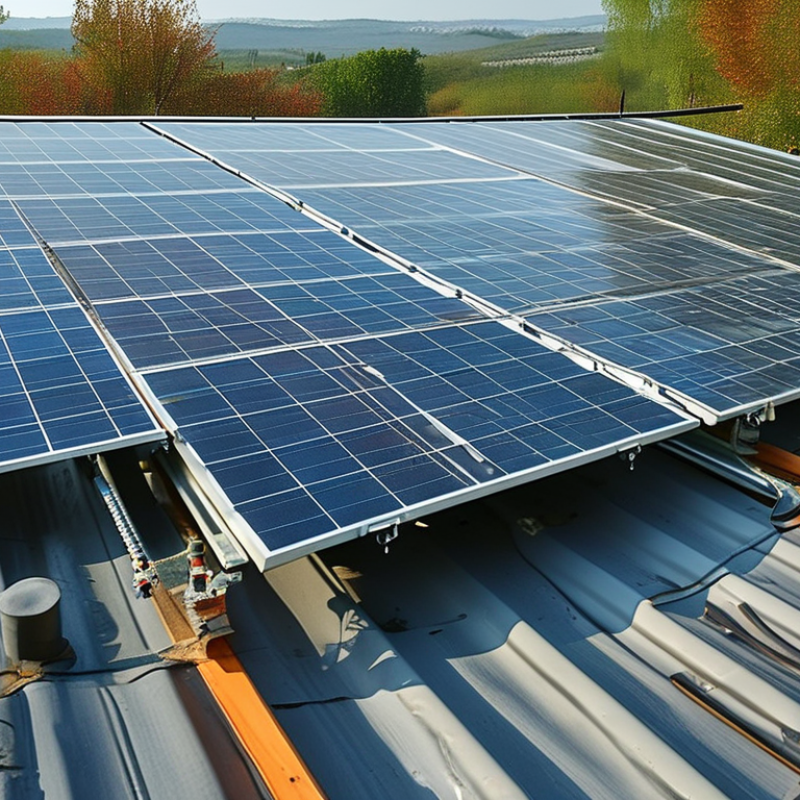
When selecting solar mounting brackets for roofs, understanding the different types is crucial. There are several brackets available, each designed for specific conditions and roof types. Fixed brackets are ideal for most sloped roofs. They anchor the solar panels securely, offering stability. Adjustable brackets provide flexibility in angle, capturing more sunlight. However, they can be more complex to install.
Another type is the ballasted system, often used for flat roofs. These brackets don’t require penetration into the roof structure, reducing the risk of leaks. Still, they depend on weight, which might not suit all roof types. Additional considerations include material choices, like aluminum or steel, which impact longevity and resistance to weather elements. Weak materials can compromise durability.
Installation complexity varies greatly among bracket types. Simpler designs lead to easier installations but might sacrifice some efficiency. Meanwhile, advanced systems could enhance energy capture but require expertise. It's vital to weigh these factors thoughtfully. Each choice carries its own advantages and reflective challenges.
| Bracket Type | Material | Weight Capacity | Best For | Installation Ease |
|---|---|---|---|---|
| L-Brackets | Aluminum | Up to 200 lbs | Flat Roofs | Easy |
| Z-Brackets | Stainless Steel | Up to 250 lbs | Tile Roofs | Moderate |
| Rail Systems | Aluminum | Up to 300 lbs | All Roof Types | Advanced |
| Ground Mount Brackets | Aluminum | Up to 400 lbs | Open Ground | Moderate |
| Adjustable Brackets | Plastic/Metal | Up to 150 lbs | Various Roofs | Easy |
| Micro Inverter Brackets | Aluminum | Up to 100 lbs | Small Installations | Very Easy |
| Tilt Brackets | Aluminum | Up to 350 lbs | Flat Roofs | Moderate |
| Flat Roof Brackets | Steel | Up to 500 lbs | Heavy Panels | Difficult |
| End Brackets | Aluminum | Up to 200 lbs | Roof Edges | Easy |
When selecting solar mounting brackets, material durability is paramount. Brackets must withstand heavy wind, rain, and snow.
Aluminum and stainless steel are common choices due to their resistance to rust and corrosion.
Aluminum is lightweight, making installation easier. However, it may bend under extreme pressure. Stainless steel offers strength but can be heavier and more challenging to work with. Evaluating these materials is crucial for long-term performance.
Weather resistance adds another layer of complexity. UV exposure can degrade materials over time. Look for brackets with protective coatings. These coatings often enhance durability and protect against harsh weather. Despite advancements, some products may still fail under unexpected conditions. It's wise to read reviews and check for real-world performance data.
Installation is also an indicator of material effectiveness. Poorly installed brackets can lead to leaks and structural damage. Ensuring proper mounting can prevent these issues. Regular inspections can help identify weaknesses in the bracket system. This proactive approach can save time and money in the future.
When selecting solar mounting brackets for roofs, it is crucial to assess the roof type and its compatibility with the chosen mounting system. Different roof types—flat, pitched, and metal—require specific mounting solutions to ensure optimal performance. According to a report from the Solar Energy Industries Association (SEIA), understanding the structural aspects of your roof can prevent installation issues and enhance efficiency.
For flat roofs, ballasted mounts are often recommended. These systems use weight to secure panels without penetrating the membrane. However, proper weight distribution is essential. Overloading can lead to structural damage, posing risks during adverse weather conditions. Conversely, pitched roofs typically employ clamp mounts, which attach directly to the roof's framework. It is important to evaluate roof materials and angles; not all pitches accommodate standard bracket designs.
Metal roofs present unique challenges. While some clamps are designed for seamless metal roofs, installing them incorrectly can void warranties. A National Renewable Energy Laboratory (NREL) study found that improper mounting can lead to a 25% drop in solar efficiency. Therefore, careful consideration of roof compatibility is vital. Adjustments may be necessary to ensure the structural integrity of both the roof and the solar system. Identifying potential risks proactively can save time and costs in the long run.
Choosing the right solar mounting brackets is essential for ensuring the safety and efficiency of your solar installation. A critical factor in this process is understanding the load-bearing capacity required for your solar setup. This figure is influenced by several elements, including the weight of the solar panels, local wind conditions, and roof type. According to the National Renewable Energy Laboratory, understanding these factors can enhance the longevity and performance of your solar system.
Evaluate the total weight of your solar panels. Most residential solar panels weigh between 40 to 50 pounds. It's crucial to calculate the load on your roof, taking local weather patterns into account. For example, regions with heavy snowfall or high winds require more robust mounting systems. On average, mounting brackets must withstand at least double the expected load during extreme weather conditions. This ensures durability and reliability.
Tip: Always assess your roof's structural integrity. Some roofs may not support additional weight without reinforcement. Consult with a structural engineer if needed. This helps you avoid potential damage and costly repairs down the line. Additionally, consider the material of the mounting brackets. Aluminum and stainless steel are commonly recommended for their strength and resistance to corrosion. Take your time to research local building codes as well. This ensures compliance with safety standards and regulations. Balancing these factors is crucial in making a well-informed decision about your solar mounting solution.
When selecting solar mounting brackets, ease of installation and maintenance is crucial. Simplified installation processes save time and effort. Consider brackets that come with clear instructions. User-friendly designs can significantly reduce the complexity. This ensures that installation is smooth, even for less experienced individuals.
After installation, maintenance should not be overlooked. Choose brackets that offer easy access for checks and repairs. Some designs may complicate maintenance over time. Reflect on how often you will need to inspect the panels. If access is difficult, it could be a hassle later. Opt for adjustable brackets that allow for modifications and inspections.
Additionally, ensure that the chosen materials withstand environmental challenges. Corrosion-resistant options are preferable, especially in harsh climates. Think about the weather conditions in your area. Will heavy snow or strong winds affect your choice? Planning ahead can save you from costly repairs or replacements in the future.
: The weight of solar panels, local wind conditions, and roof type are key factors.
Most residential solar panels weigh between 40 to 50 pounds.
Some roofs may not support extra weight without reinforcement, leading to damages.
Aluminum and stainless steel are favored for their strength and corrosion resistance.
Mounting brackets should withstand at least double the expected load during severe weather.
Choose brackets with clear instructions and user-friendly designs.
Easy access for checks and repairs can prevent complications and potential costs.
Think about local weather patterns, like heavy snow or strong winds, that could impact choices.
Reflect on inspection frequency; easier access simplifies this task.
Failing to comply with building codes can lead to safety violations and costly repairs.
When considering how to choose solar mounting brackets for roof installations, understanding the various types available is crucial. Each bracket type serves different roofing materials, so it's essential to evaluate their compatibility with your specific roof type. Additionally, the material durability and weather resistance of the brackets play a vital role in ensuring long-term performance and safety.
Calculating the load-bearing capacity your solar setup requires is equally important, as this ensures that the brackets can support the weight of the solar panels under various conditions. Finally, ease of installation and maintenance should not be overlooked, as a user-friendly design can save time and effort while ensuring efficient operation. By taking these factors into account, you will be better equipped to make an informed choice about solar mounting brackets for your roof.

Stuart Solar