Cleaning solar panels is a crucial aspect that impacts energy production. As emphasized by Dr. Elizabeth Fenton, a leading solar energy expert, “Neglecting solar panel maintenance can reduce energy output significantly.” Living in areas with dust, pollen, or bird droppings makes regular cleaning even more critical.
Why is solar panel cleaning important for energy production? Dirt and debris can accumulate over time, creating a barrier between the panels and sunlight. This can lead to reduced energy efficiency. Many homeowners overlook this maintenance step, assuming nature will keep their panels clean. However, neglect can lead to decreased energy output, which contradicts the purpose of solar investment.
Regular maintenance requires a balance. While cleaning too often can be wasteful, infrequent cleaning results in loss of performance. It's vital to assess the environment and determine an appropriate cleaning schedule. This thoughtful approach maximizes energy production while ensuring effective use of resources. Ultimately, solar panel cleaning is essential for maintaining optimal energy output, and neglecting it could lead to substantial energy losses.
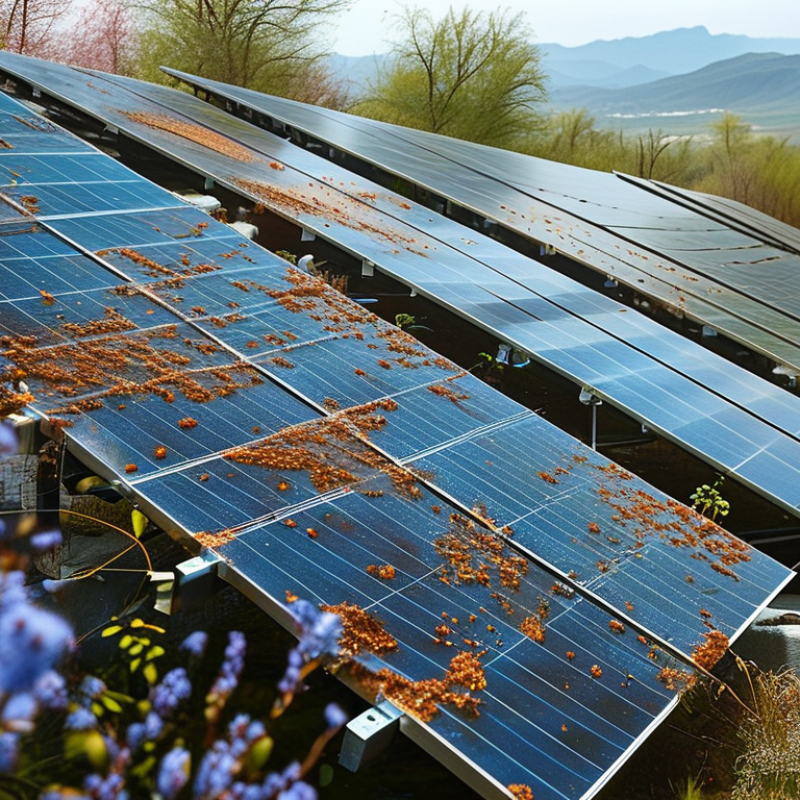
Cleaning solar panels is crucial for maintaining their efficiency. Dust, debris, and bird droppings can accumulate on the surface. This layer of grime decreases energy production significantly. According to a study by the National Renewable Energy Laboratory, soiled panels may lose up to 25% of their efficiency. Regular cleaning can mitigate this loss.
In arid regions, the impact is even more pronounced. A report from the Solar Energy Industries Association found that panels in dusty areas may suffer up to 35% efficiency decline without maintenance. This highlights the importance of understanding local conditions when managing solar systems. Clean panels not only produce more energy but also enhance their lifespan, ultimately providing better returns on investment.
However, cleaning practices can vary. Some techniques may damage the panels if not done correctly. Using abrasive materials or harsh chemicals can lead to micro-scratches, affecting long-term performance. It’s vital to consider the method and frequency of cleaning to achieve optimal results. Regular assessments can ensure that panels remain effective, but keep in mind that too frequent cleaning may also lead to unnecessary wear. Balancing these factors is key to maximizing solar energy production.
Solar panel maintenance is crucial for optimal performance. The frequency of cleaning depends greatly on the environment. Areas with heavy dust, pollen, or industrial pollution may require monthly cleaning. In contrast, regions with regular rainfall could go for several months without cleaning. Rain can wash away some debris. However, it isn’t a complete solution.
In dry or dusty areas, neglecting regular cleaning can lead to significant energy loss. Even a thin layer of dirt can reduce efficiency by up to 20%. Wildlife, such as birds, can also leave harmful residues. Observing your panels regularly helps identify when they appear dirty. This proactive approach ensures that panels work at their best.
Weather patterns play a vital role too. If you live in snowy areas, panels may need cleaning after heavy snowfall. Ice and snow can block sunlight completely. Assessing your local conditions regularly is essential. When cleaning is necessary, use gentle techniques to avoid damaging the surface. It’s a balance between maintaining efficiency and preserving the equipment’s longevity.
Cleaning solar panels is essential for optimal energy production. Dirt, dust, and debris block sunlight, reducing efficiency. Research indicates that soiled panels can lose up to 25% of their energy output. Regular maintenance ensures you harness maximum sunlight, enhancing your investment.
To clean your panels effectively, follow these key steps. Start early in the morning or late in the afternoon. This avoids heat that can cause water to evaporate too quickly, leaving streaks. Use a soft brush and a mixture of water and mild soap. Avoid abrasive materials that can scratch the surface. Rinse thoroughly with plain water to prevent soap residue from building up.
Tip: Always use a ladder to reach high panels safely. Ensure your roof is stable and dry to prevent accidents. You might consider hiring professionals if you’re not comfortable doing it yourself. Their expertise ensures no damage occurs, and your system maintains peak performance. Regular inspections and cleaning contribute to a longer lifespan for solar panels, ultimately making the investment worthwhile.
| Step | Description | Tools Needed | Frequency |
|---|---|---|---|
| 1 | Turn off the solar panel system to ensure safety. | N/A | Before cleaning |
| 2 | Use a soft brush to remove loose dirt and debris. | Soft brush, ladder (if needed) | Monthly |
| 3 | Rinse panels with water to remove stubborn dirt. | Hose, water source | Monthly |
| 4 | For tough stains, use a mixture of water and mild soap. | Mild soap, bucket | Quarterly |
| 5 | Dry the panels with a soft, lint-free cloth. | Lint-free cloth | After each clean |
| 6 | Inspect for any damage or wear. | N/A | Annually |
When it comes to cleaning solar panels, the choice between professional services and DIY methods can significantly affect energy production. Statistics indicate that unclean panels can lose up to 25% of their efficiency. Dust, bird droppings, and grime accumulate, blocking sunlight. A study by the National Renewable Energy Laboratory reveals that proper cleaning can maximize energy output. However, hiring professionals typically costs between $100 and $300 for a single cleaning session.
DIY cleaning seems appealing due to lower costs. A simple hose and a soft brush might suffice for minor dirt. However, improper techniques or harsh chemicals can damage the panels, resulting in dangerous long-term effects. Many homeowners lack the technical knowledge required to perform this task safely. Furthermore, neglecting regular maintenance can lead to expensive repairs over time.
Professional cleaning services not only ensure a thorough job but also use the right equipment. They adhere to safety standards and understand appropriate cleaning techniques. This could save you money in the long run, with some services ensuring optimal performance through regular maintenance visits. Ultimately, deciding which method to use requires careful consideration of costs versus potential loss in energy production. You may have to weigh immediate expenses against future benefits.
Maintaining solar panels is crucial for optimal energy production. The right tools and products can make this task easier. A soft-bristle brush is essential. It effectively removes dirt without scratching the panel surface. Use a long-handled brush for hard-to-reach areas. Water is your best friend in this process. Fill a bucket with clean, non-abrasive water for rinsing. Sometimes, you need a cleaning solution. Look for a mild detergent that won't harm the solar panels.
Using a squeegee helps in drying the panels quickly. This prevents water spots which can reduce efficiency. Avoid cleaning during peak sunlight hours. Direct sunlight may dry the water too quickly, leaving streaks. A ladder is another useful tool for safety while cleaning elevated panels. Personal safety is a key consideration in this process. Always wear non-slip shoes and consider having a partner assist you.
Regular cleaning is important, but don’t overdo it. Excessive cleaning can lead to micro-scratches, diminishing panel effectiveness. Assess your environment. If you live in a dusty area, you may need to clean more often. If it’s rainy, the panels often self-cleaning, reducing your workload. Listen to your panels; they'll show signs when they need attention. It’s a balance between maintenance and over-maintenance.
: Cleaning solar panels improves efficiency. Dust and debris can cause a loss of up to 25% in energy production.
In dusty regions, panels may lose up to 35% efficiency without regular cleaning. Local climate affects maintenance needs.
Use a soft brush and mild soap with water. Rinse well to avoid soap residue. Timing is important to prevent streaks.
Clean panels early morning or late afternoon. Avoid heat to prevent quick water evaporation and streaks.
Professionals ensure safe cleaning and optimal results. DIY is cheaper but can lead to damage if done improperly.
Using harsh materials can cause scratches and damage. This affects long-term performance. Knowledge is vital for effective cleaning.
Regular cleaning is important, but avoid excessive frequency. Too much cleaning can lead to wear. Balance is essential.
Assess costs versus potential energy loss. Professional services might save you money in the long run by ensuring thorough cleaning.
Clean panels produce more energy, last longer, and provide better returns on investment. Regular inspections are also key.
Yes, especially if unsure about safe practices. Professionals use proper equipment and techniques, reducing long-term risks.
Cleaning solar panels is crucial for maintaining their efficiency and maximizing energy production. Dust, dirt, and environmental debris can accumulate on the surface of the panels, leading to reduced light absorption and lower energy output. Therefore, understanding why solar panel cleaning is important for energy production helps homeowners and businesses ensure optimal performance of their solar systems.
The frequency of cleaning should be based on environmental conditions, such as local weather and pollution levels. A well-structured step-by-step guide can provide safe methods for cleaning without causing damage. Additionally, a cost-benefit analysis of professional cleaning services versus DIY methods can help consumers make informed decisions. Finally, using the right tools and cleaning products is essential for effective maintenance and longevity of solar panels.

Stuart Solar