Designing a photovoltaic system with solar panels and inverters can be both exciting and challenging. This guide will explore crucial factors to consider. To design a successful system, one must assess energy needs, environmental conditions, and budget constraints.
Understanding how to design a photovoltaic system with solar panels and inverters involves combining technical expertise with practical experience. Selecting the right components is essential. It’s not just about choosing panels that look good. Efficiency ratings and warranties on panels and inverters are critical. The orientation and tilt of panels impact energy production. Optimal positioning can lead to significant gains.
Every project has its challenges. Unexpected variables may emerge, such as shading or local regulations. One must be prepared to adapt and revise plans. Lighting conditions vary, and what works in one area may not work elsewhere. Experience will guide adjustments over time. It’s a journey of learning, improvement, and innovation.
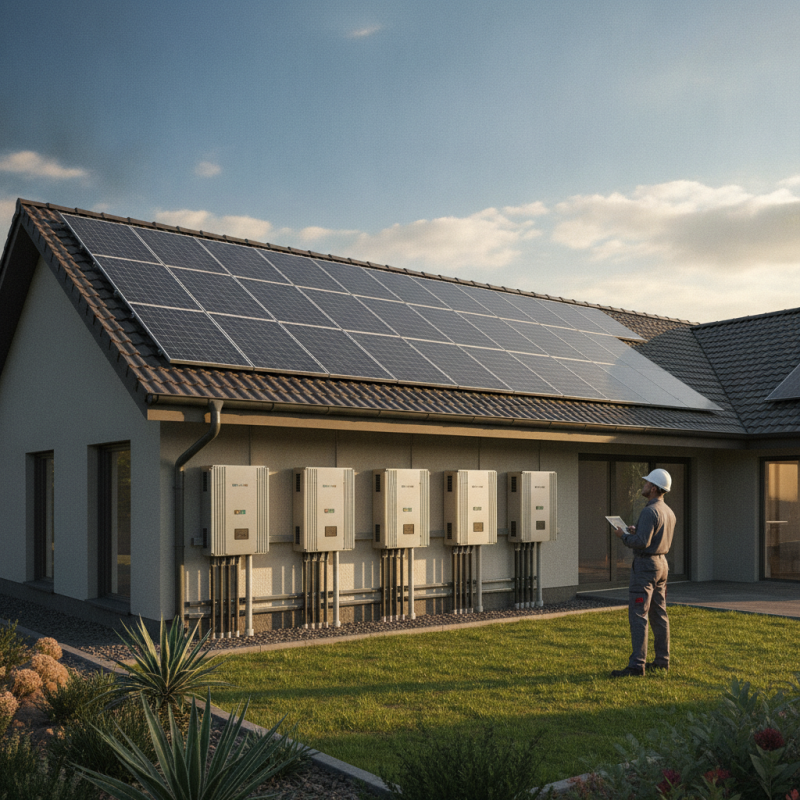
Photovoltaic systems transform sunlight into electricity. They consist of several key components: solar panels, inverters, and mounting systems. Each plays a crucial role in energy generation and efficiency.
Solar panels, made of photovoltaic cells, capture sunlight. They convert solar energy into direct current (DC) electricity. This conversion is essential but can be affected by factors like shading or dirt accumulation. Regular cleaning and proper placement can enhance performance. Inverter systems then convert DC to alternating current (AC) electricity, making it usable for homes and businesses. The choice of inverter impacts efficiency, reliability, and overall system functionality.
Another critical element is the mounting system. It supports panels and affects their angle toward the sun. Incorrect angles can reduce output. Each component must be selected carefully to optimize performance. Understanding these elements deepens insights into solar technology. It encourages critical thinking about energy needs and system designs. Engaging with local conditions is vital for effective implementation.
When designing a photovoltaic system, selecting the right solar panels is crucial. The efficiency of solar panels greatly affects energy output. High-efficiency panels can convert up to 22% of sunlight into electricity, as reported by the National Renewable Energy Laboratory (NREL). This means that for a typical home needing 10,000 kWh annually, a 6 kW system using efficient panels can significantly reduce electricity bills.
Understanding your energy needs is vital. Analyze past electric usage. A growing trend shows that residential energy consumption has increased by about 10% over the last decade. Seasonal changes can also influence solar energy production. For example, winter months may yield less sun exposure, requiring adjustments in system design.
The choice of solar panels should consider durability and warranty. Typically, panels come with a 25-year warranty, but degradation rates vary. Studies indicate that some panels lose only 0.2% efficiency per year, while others may lose 1%. Such data point to the importance of reliable products. Balancing performance with cost and longevity can lead to better long-term benefits.
Choosing the right inverter for your photovoltaic system is crucial. The inverter converts DC electricity from solar panels to AC electricity, which powers your home. A good inverter can affect energy efficiency. There are different types available, including string inverters, microinverters, and power optimizers.
String inverters are cost-effective and simple. However, they may not perform well if panels receive uneven sunlight. Microinverters, on the other hand, are installed on each panel. This ensures that each panel works at its maximum potential. They are more expensive but can enhance energy output. It's important to weigh the pros and cons based on your unique situation.
Consider your energy needs and budget. Research how much energy your household consumes daily. This will help you choose an inverter that matches your consumption levels. It's common for homeowners to underestimate their needs, leading to insufficient energy supply. Regular maintenance of the inverter is also necessary for long-term efficiency. This helps prevent costly repairs in the future.
When designing a photovoltaic system, positioning solar panels is a crucial factor for optimizing energy harvest. Research indicates that the angle of the panels affects efficiency significantly. For optimal performance, panels should be tilted at an angle close to the latitude of the installation location. A study from the Solar Energy Industries Association (SEIA) suggests this adjustment can improve energy capture by up to 25%.
In addition to tilt, the layout of solar panels should consider shading and orientation. South-facing panels receive the most sunlight in the northern hemisphere. However, obstacles like trees or buildings can create unwanted shadows. Even a small amount of shading can reduce energy production by 20% or more. A precise layout minimizes shading during peak sunlight hours.
Environment also plays a role. Dust and debris can accumulate on panel surfaces, reducing efficiency. Regular cleaning and maintenance are necessary to maintain optimal performance. It is vital to regularly assess the design and adjust according to changing environmental factors. By refining the layout and monitoring performance, system efficiency can continually improve, ensuring maximum energy output throughout the year.
Integrating monitoring and control systems in a photovoltaic system is essential for optimal performance. These systems provide real-time data on energy production and consumption. They help detect issues early, ensuring that the solar panels and inverters operate efficiently. Regular monitoring can prevent costly damages and enhance overall longevity.
An effective control system can automate functions, adjusting to weather changes or peak load times. This ensures that the system adapts to varying conditions without manual intervention. However, installing such systems can be complex. It requires a thorough understanding of both hardware and software components.
Despite advancements, challenges still exist. Some users may find it difficult to interpret data. Misconfigurations can lead to poor performance. Therefore, training and continuous education are vital. Finding the balance between technology and user experience remains a crucial aspect of system design. Effective monitoring is not just about data collection; it's about actionable insights that drive efficiency.
: The main components are solar panels, inverters, and mounting systems. Each plays a crucial role in energy generation.
Solar panels capture sunlight with photovoltaic cells. They convert solar energy into direct current (DC) electricity.
Shading, dirt accumulation, and incorrect placement can all affect performance. Regular cleaning can improve efficiency.
Inverters convert DC electricity to alternating current (AC). The choice impacts efficiency and system reliability.
Panels should be tilted for maximum sun exposure, close to the installation location's latitude.
Seasonal changes and daily sun patterns can significantly affect energy output.
Even small shading can reduce output by 20% or more. A precise layout minimizes this risk.
Dust and debris can build up, reducing efficiency. Regular cleaning ensures optimal performance.
Solar panels usually come with a 25-year warranty, but degradation rates can vary widely.
Analyzing past energy usage helps in selecting the right system size and panel efficiency for your needs.
This article explores how to design a photovoltaic system with solar panels and inverters, providing a comprehensive guide for both beginners and experienced users. It begins with an understanding of photovoltaic systems and their key components, including solar panels and inverters, which play crucial roles in energy conversion.
The guide then emphasizes the importance of selecting the right solar panels based on individual energy needs and choosing appropriate inverters to optimize performance. Furthermore, it discusses the ideal layout and positioning of solar panels to achieve maximum efficiency, as well as the integration of monitoring and control systems to manage energy production effectively. This holistic approach ensures a well-designed photovoltaic system that meets energy demands sustainably.

Stuart Solar