Living off the grid offers freedom and sustainability, but it also requires thoughtful planning. One critical component of this lifestyle is energy independence. A well-chosen solar inverter can greatly enhance your off-grid experience. This guide explores the essential factors to consider when selecting solar inverters.
How to choose solar inverters for off-grid living? Start with your energy needs. Assess your daily power consumption. Are you using simple appliances or heavy equipment? Understanding your requirements will guide you in selecting the right inverter. Look for inverters with the proper capacity and features.
Quality matters too. Not all solar inverters provide the same efficiency or reliability. Research reputable brands and read user reviews. This background can prevent costly mistakes. Consider the environment where you’ll install the system. Inverters need protection from extreme weather. Effective planning is key to ensuring a reliable power supply. Take your time; this decision impacts your quality of life.
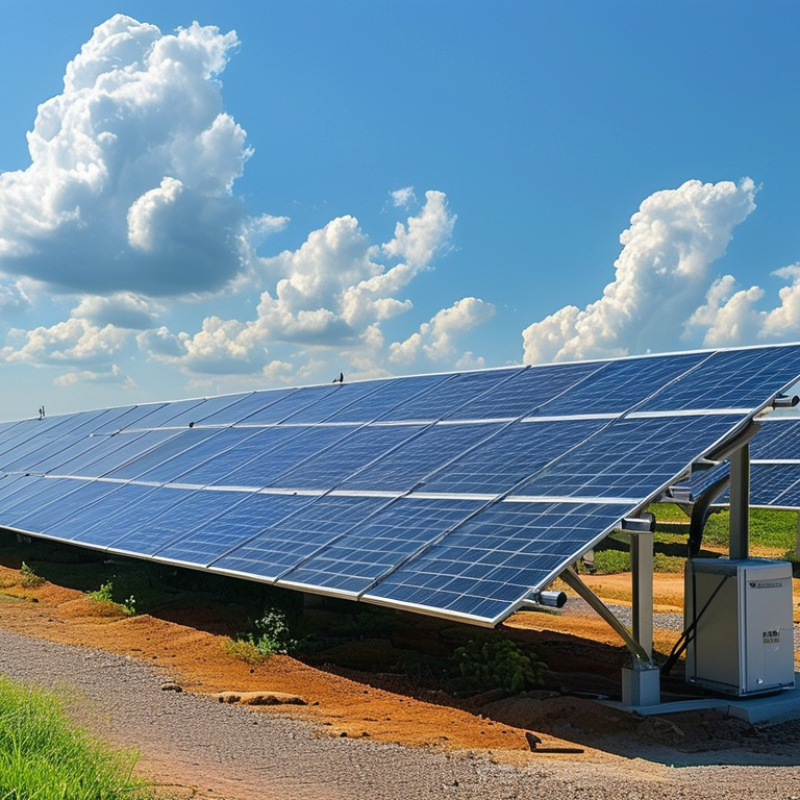
Off-grid solar inverters play a crucial role in solar energy systems. They convert the direct current (DC) generated by solar panels into usable alternating current (AC). Choosing the right inverter is essential for maximizing energy production. Reports indicate that up to 30% of energy can be lost if the inverter is improperly selected. This highlights the need for careful consideration in your choice.
Efficiency is a key function of off-grid solar inverters. A high-efficiency inverter can significantly enhance overall system performance. For instance, inverters with ratings above 90% will minimize energy waste. According to industry data, effective inverters contribute to improved battery life, offering up to 20% more usable energy. This is especially important for those living off-grid, where energy resources are finite.
In addition to efficiency, the durability of inverters cannot be overlooked. Extreme weather conditions can affect inverter lifespan. A report from the Solar Energy Industries Association found that inverters account for nearly 20% of solar system failures. This emphasizes the importance of reliable brands and proven technologies. Ensuring your inverter can withstand local climate conditions is essential for long-term performance. Evaluating warranties and service support can also inform a more reliable decision.
| Feature | Importance | Recommended Specs |
|---|---|---|
| Inverter Type | Determines compatibility with your setup | Pure Sine Wave is preferred |
| Power Rating | Must match the total power needs | Choose 20% above peak usage |
| Efficiency | Higher efficiency means less energy loss | 90% and above is ideal |
| Battery Compatibility | Ensures correct charging and discharging | Check specific battery types supported |
| Durability | Long-lasting performance in off-grid conditions | Look for weatherproof and rugged designs |
| Voltage Range | Supports different battery systems | 12V, 24V, or 48V options |
: Look for high efficiency ratings, ideally above 90%. This ensures more solar energy is converted into usable power.
Inverters usually last between 5 to 15 years. Frequent replacements can be costly and inconvenient.
A wider voltage range allows better compatibility with various solar panel systems, enhancing performance.
List all appliances and their wattage. Add them up to identify the minimum inverter size required.
Appliances like refrigerators may surge during start-up. Ensure your inverter can handle these power spikes.
Your inverter must work effectively with your battery’s voltage. Mismatches can cause inefficiencies.
Assess initial costs against potential long-term savings. Installation quality is also crucial to avoid future issues.
An undersized inverter can lead to frequent malfunctions and energy shortages. This can be frustrating.
Quality installers can prevent costly mistakes. A poorly installed inverter may lead to ongoing problems.
As your lifestyle evolves, energy demands might grow. Planning ahead can avoid unnecessary expenses later.
When considering how to choose solar inverters for off-grid living, it's essential to first understand their key functions and importance in an off-grid solar system. Solar inverters convert the direct current (DC) produced by solar panels into alternating current (AC) for household use. Different types of inverters, such as pure sine wave and modified sine wave, offer varying capabilities and applications, which should be compared based on the specific needs of your off-grid setup.
Moreover, efficiency ratings play a crucial role in evaluating inverter performance and lifespan, as they directly impact the overall energy output. Calculating your power needs is vital for sizing your inverter appropriately, ensuring you can meet your energy demands. Lastly, budgeting for solar inverters and installation is necessary to make informed financial decisions, allowing for a successful transition to off-grid living. By taking these factors into account, you can effectively select the right solar inverter for your sustainable lifestyle.

 Stuart Solar