As the solar industry continues to grow, maintaining solar mounting systems is crucial for ensuring their long-term performance. According to a report by the National Renewable Energy Laboratory, efficient maintenance can enhance system longevity by up to 30%. This highlights the importance of understanding how to maintain solar mounting systems for long-term use. Leading expert in renewable energy, Dr. Emily Carter, emphasizes, "Regular maintenance of solar infrastructure is key to maximizing energy output and durability."
Over time, weather conditions and environmental factors can impact the integrity of mounting systems. Regular inspections are vital to identify signs of wear and damage. Neglecting maintenance can lead to costly repairs and decreased efficiency. Also, understanding local climate conditions can inform tailored maintenance strategies. It's surprising how often systems are overlooked, which can pose risks not only to performance but also to safety.
Challenges in maintaining solar mounting systems are inevitable. While many systems are designed to be durable, they still require attention. Mistakes can happen, and protocols may need adjusting. Feedback from system operators provides valuable insights into common pitfalls. Addressing these issues collectively can lead to better maintenance practices and contribute to the overall reliability of solar energy systems.
Understanding Solar Mounting Systems and Their Importance
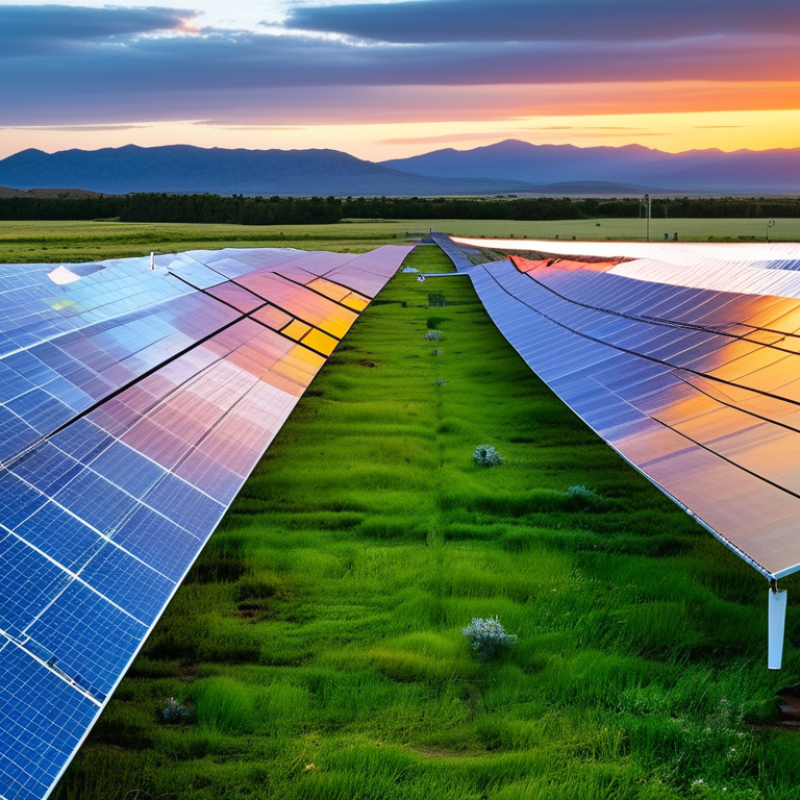
Solar mounting systems are vital for optimizing solar energy efficiency. They secure solar panels in place and ensure they receive maximum sunlight. Proper installation and maintenance of these systems greatly influence energy production. If a mounting system is poorly designed or installed incorrectly, it can lead to decreased efficiency.
Regular inspections are essential. Look for rust, loose bolts, or any signs of wear. Assessing these elements can prevent significant issues later. Also, consider the impact of local weather. Extreme conditions can affect the mounting structure. Adjustments might be necessary after storms or heavy winds.
Remember that over time, components may degrade. This requires proactive maintenance to avoid costly repairs or replacements. Creating a long-term maintenance schedule helps keep track. Cultivating awareness about these systems is crucial for maximizing their lifespan. Addressing minor issues early can improve performance and reliability in the long run.
Regular Inspections: Key to Identifying Potential Issues Early
Regular inspections are crucial for solar mounting systems. They allow you to identify potential issues before they escalate. A simple check can help catch problems like loose bolts or corrosion. These small issues, if overlooked, can lead to significant damage over time. By scheduling consistent inspections, you can save money in the long run.
During inspections, focus on both structural and electrical components. Look for any signs of wear or instability. Pay attention to the mounting brackets and connections. Ensure that the panels are secured properly. Check for debris accumulation that could block sunlight. This requires a hands-on approach and careful observation.
Many owners underestimate the importance of routine checks. It’s easy to forget about maintenance when everything seems fine. However, neglect can result in costly repairs. Past inspections may have revealed minor problems that did not seem urgent. Yet, those same issues could become critical if ignored. Emphasizing the need for regular assessments will maintain the efficiency of your solar system.
10 Essential Tips for Long-Term Maintenance of Solar Mounting Systems
| Tip |
Description |
Frequency |
Responsible Party |
| Regular Inspections |
Inspect mounting systems for any signs of wear, corrosion, or damage. |
Quarterly |
Maintenance Team |
| Clean Solar Panels |
Remove dirt, debris, and snow to ensure maximum efficiency. |
Bi-Annually |
Cleaning Crew |
| Tighten Fasteners |
Check and tighten mounting hardware to prevent loosening. |
Annually |
Maintenance Team |
| Check Electrical Connections |
Inspect wiring and connections for any signs of fraying or corrosion. |
Annually |
Electrical Team |
| Monitor System Performance |
Keep an eye on system output and performance metrics. |
Monthly |
Operations Team |
| Inspect Ground Condition |
Ensure the ground around the mounting systems is stable and free from erosion. |
Annually |
Maintenance Team |
| Verify Safety Features |
Check that all safety mechanisms are functioning correctly. |
Annually |
Safety Officer |
| Review Manufacturer Guidelines |
Ensure all maintenance aligns with manufacturer's recommendations. |
As Required |
Project Manager |
| Document Maintenance Activities |
Keep detailed records of all inspections and maintenance performed. |
Continuously |
All Team Members |
| Stay Informed on Industry Changes |
Keep up with new technologies and regulations affecting solar systems. |
Ongoing |
All Team Members |
Cleaning and Maintenance Protocols for Optimal Performance
Keeping solar mounting systems in top shape is vital for maximizing their efficiency. Regular cleaning is essential. Dust, leaves, and debris can block sunlight. This can decrease energy output. A gentle wash with soft brushes or cloths will do the trick. Aim for at least twice a year, more often in dusty areas.
Maintenance is equally important. Inspect mounts and connections regularly. Look for signs of corrosion or wear. Joints should be tight and secure. Any loose parts should be addressed promptly. Keep an eye on the structural integrity. Shifts or cracks can lead to bigger problems.
Finally, document all maintenance and cleaning efforts. This provides a record for future reference. It helps track performance trends over time. A proactive approach ensures long-term sustainability. Remember, neglecting these tasks might lead to costly repairs later. Regular upkeep prevents that.
Protective Measures Against Environmental Factors
When maintaining solar mounting systems, attention to environmental factors is crucial. Extreme weather can cause significant wear. A study by the National Renewable Energy Laboratory indicates that improper protection can reduce energy output by up to 20%.
Regular inspections are essential. Check for corrosion, especially in coastal areas. Saltwater can degrade metal components. Consider applying protective coatings that prevent rust. They enhance durability under harsh conditions.
Debris accumulation can also pose risks. Leaves, dirt, and snow can block solar panels. Schedule frequent cleanings to maximize efficiency. This simple maintenance prevents long-term damage.
It’s important to install protective barriers. Winds can dislodge unsecured installations. Utilize anchoring systems to withstand high speeds. Such measures prolong the life of solar mounting systems significantly.
In summary, proactive steps can mitigate environmental impacts. Reliable maintenance protects investments and optimizes performance. Each element of care adds to the longevity of your solar project.
Upgrading and Retrofitting: Ensuring Longevity and Efficiency
Upgrading and retrofitting solar mounting systems is crucial. It enhances longevity and efficiency. Regular maintenance needs to consider various aspects for effectiveness.
One key tip involves inspecting the mounting structures. Look for rust, wear, and tear. A minor issue can escalate quickly. Addressing it early prevents further damage. Another essential action is to check the alignment of solar panels. Misaligned panels can suffer from reduced energy output. A simple realignment may boost efficiency significantly.
In addition, consider upgrading materials and components. Introducing more durable materials can extend the system’s lifespan. Think about using corrosion-resistant bolts. These can withstand harsh weather conditions better than standard options. Reflect on these upgrades. They may require initial investment but save money long-term. Regular training for team members on new technologies can also be beneficial. It helps maintain standards and improves operational efficiency.
10 Essential Tips for Long-Term Maintenance of Solar Mounting Systems
This bar chart illustrates the importance level of various maintenance tips for solar mounting systems. Regular inspections and cleaning panels are identified as the most critical, highlighting the need for proactive measures to ensure system longevity and efficiency.
Conclusion
To ensure the longevity and efficiency of solar mounting systems, it is crucial to understand their significance and conduct regular inspections. These inspections allow for the early identification of potential issues, preventing costly repairs down the line. Additionally, implementing effective cleaning and maintenance protocols is vital for maintaining optimal performance.
Protective measures against environmental factors, such as extreme weather and debris, can further enhance the durability of solar mounting systems. For those looking to improve their systems, upgrading and retrofitting can provide the necessary enhancements to maximize efficiency. In summary, knowing how to maintain solar mounting systems for long-term use involves a combination of regular checks, diligent upkeep, and strategic enhancements to ensure they remain reliable and efficient over time.

 Stuart Solar