How to Improve Solar Panel Energy Output with Cleaning?

Time:2026-09-13 Author:Aria
0%

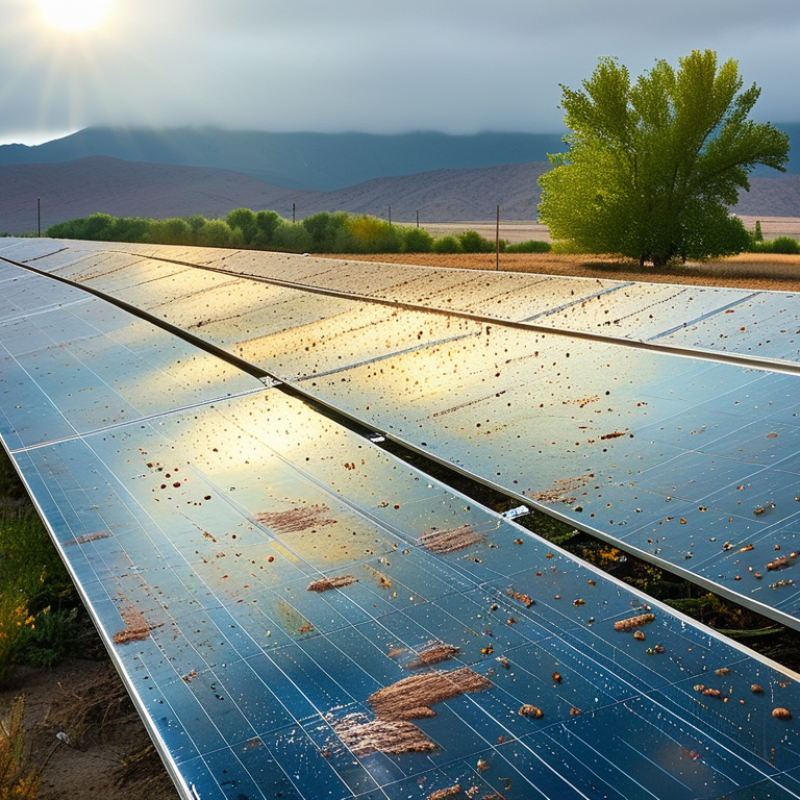
Solar panels work best when sunlight reaches their cells without a thick layer of dust, pollen, bird droppings, or pollution. Even a light coating can reduce the light entering the panel surface. Over time, this loss may become visible through lower daily production, especially in dry regions or near busy roads. So, how does solar panel cleaning improve energy output? It restores a clearer surface, helping the system capture more available sunlight during peak hours.

A practical cleaning routine begins with observation, not guesswork. Check the monitoring app, compare seasonal output, and inspect the panels from the ground. A professional may use purified water, soft brushes, and safety equipment to remove deposits without scratching the glass. Cleaning often matters most after long dry periods, construction work, pollen season, or heavy bird activity. Small changes matter.

However, cleaning is not a guaranteed solution. Shading, inverter faults, aging modules, wiring problems, and cloudy weather can also reduce production. I have seen homeowners focus on dirty panels while ignoring a nearby tree that caused the larger loss. That mistake is easy to make. A reliable assessment should compare energy data before and after cleaning, while considering weather conditions. Panel manufacturers and qualified solar technicians should guide the cleaning method, because abrasive tools and harsh chemicals can damage protective surfaces. Clean panels can produce more energy, but careful diagnosis makes the improvement measurable and worthwhile.
How to Improve Solar Panel Energy Output with Cleaning?

Why Solar Panel Cleaning Affects Energy Output

Dust, pollen, bird droppings, and salt residue can reduce the sunlight reaching solar cells. Even a thin, uneven layer may create shaded areas and lower electricity production. The effect is often stronger on low-tilt panels, especially after dry weather or nearby construction. Cleaning does not create extra sunlight. It helps the system receive more of what is already available.

In practical maintenance, check the panels when output drops without a clear weather-related reason. Compare similar sunny days, rather than trusting one reading. Use clean water and a soft brush, and avoid abrasive tools that can scratch the surface. Never clean hot panels with cold water. Thermal shock may damage them. Safety matters more than a small energy gain, so ground-level access is preferable. Professional inspection is sensible when panels are high, cracked, or difficult to reach.

Tips: Clean during a cool morning. Remove heavy droppings gently after soaking them. Do not use strong chemicals unless the panel maker permits them. Record energy output before and after cleaning. Results can be modest. That is normal. Rain may remove loose dust, but it rarely clears sticky residue or bird droppings completely. One overlooked issue is nearby shading from new branches; cleaning cannot fix that.

How to Assess Whether Solar Panels Need Cleaning

Before cleaning, assess whether dirt is actually reducing solar output. A dusty panel is not automatically an inefficient panel. Observe the glass from ground level, preferably in morning or late afternoon. Look for bird droppings, pollen films, construction dust, or dark streaks after rain.

Measure, don’t guess. Compare recent energy production with similar sunny days from previous weeks. Also check shading, inverter alerts, and unusual weather before blaming dirt. A monitoring system may show a drop, but it cannot always identify the cause.

My first mistake was cleaning a lightly dusty array while ignoring a nearby tree’s new shadow. The panels looked dirty, yet shade caused most of the loss.

A clear visual coating usually needs observation, not immediate washing. Heavy droppings or sticky residue deserve faster attention because small covered areas can create uneven heating. Cleaning becomes more reasonable when output falls repeatedly during comparable sunlight and visible deposits remain.

Use the panel maker’s care instructions, soft water, and non-abrasive tools. Avoid walking on panels or spraying cold water onto hot glass. Slippery roofs are serious hazards. If access is difficult, ask a qualified technician to inspect the system.

Keep a simple record of cleaning dates, weather, and energy readings. It may reveal that seasonal pollen, not ordinary dust, is the real pattern.

How to Choose Safe and Effective Cleaning Methods

How to Improve Solar Panel Energy Output with Cleaning?

How to Choose Safe and Effective Cleaning Methods

Dust, pollen, bird droppings, and salt can form a dull film on solar panels. This layer blocks sunlight and may reduce energy production, especially after long dry periods. Safe cleaning starts with the panel manufacturer’s instructions and local site conditions. Clean panels early in the morning, when the surface is cool. Hot glass can crack when cold water touches it.

Use clean water, a soft brush, and a squeegee designed for delicate surfaces. Avoid abrasive pads, strong chemicals, and high-pressure washers. These tools can scratch protective coatings or force water into electrical connections. A simple rinse may remove loose dust, but stubborn marks require gentle movement and patience. Technicians should inspect cables, frames, and visible damage before washing. If wiring looks exposed, stop and request qualified service.

Tips: Wear slip-resistant shoes. Keep water away from inverters. Do not stand on panels. Test a small area first. Record energy output before and after cleaning. This comparison helps reveal whether cleaning made a meaningful difference. In some cases, the gain is smaller than expected. That is useful evidence, not failure. Cleaning too often can waste water and increase surface wear, so seasonal inspection is usually more sensible than a fixed weekly routine.

Step-by-Step Guide to Cleaning Solar Panels

How to Improve Solar Panel Energy Output with Cleaning?

Step-by-Step Guide to Cleaning Solar Panels

Dirt, pollen, bird droppings, and dust can block sunlight from reaching photovoltaic cells. The IEA PVPS Task 13 report estimates typical soiling losses at 2–7% annually. In dry, dusty locations, losses may become much higher. Cleaning can help, but it is not a guaranteed cure for poor output. Shade, inverter faults, aging, and cloudy weather also matter.

Choose a cool morning or overcast day. Turn off the system according to the installer’s instructions, and never walk on the panels. Remove loose dust with a soft, long-handled brush. Use clean water and a non-abrasive sponge for stuck residue. A rubber squeegee can reduce water spots. Avoid pressure washers, harsh detergents, metal tools, and household glass cleaners. These may damage coatings or leave films behind. Keep electrical connections dry.

Check the surface from ground level first. That small step prevents unnecessary roof work. If panels sit high, steeply, or near fragile roofing, use a qualified technician.

The U.S. National Renewable Energy Laboratory notes that cleaning frequency should reflect local soiling, rainfall, and system design.

Monthly cleaning may waste water in a rainy area. In a dry farm region, waiting too long can reduce production noticeably. I would measure output before and after cleaning, but one sunny day is weak evidence. Compare several similar days, and record weather conditions. The result may surprise you.

How to Measure Energy Improvements After Cleaning

Cleaning solar panels can improve energy output, but the gain must be measured carefully. A dusty surface may reduce sunlight reaching the cells. However, weather changes can create a false improvement.

Record daily energy production for at least three days before cleaning. Use the inverter display or a reliable energy meter. Note sunlight levels, cloud cover, temperature, and shading. After cleaning, collect the same data for several days. Compare similar weather periods, not just one sunny afternoon.

My first comparison was too optimistic. I measured a clean day against a cloudy day before cleaning. The result looked impressive, but it was unreliable. A better method is to compare kilowatt-hours under similar sunlight conditions. If available, use irradiance readings to calculate energy produced per unit of sunlight. This helps separate cleaning benefits from weather effects. Check for loose connections or inverter warnings, too. Cleaning cannot repair equipment faults.

Tips: Photograph the panel surface before and after cleaning. Keep a simple log with date, weather, cleaning time, and energy output. Avoid measuring immediately after rain, because natural rinsing can distort the result. Use soft tools and clean water, then inspect for streaks or remaining dust. A small improvement may still matter over many months, but results should be reported honestly. Wide temperature changes can also affect performance.

How to Improve Solar Panel Energy Output with Cleaning? - How to Measure Energy Improvements After Cleaning

Paired field measurements from a fixed 10.08 kWp solar array. Energy results are normalized against comparable solar irradiation conditions before and after cleaning.
Test Date Array Size Solar Irradiation
(kWh/m²)
Energy Before Cleaning
(kWh/day)
Energy After Cleaning
(kWh/day)
Energy Gain
(kWh/day)
Output Improvement Estimated Soiling Loss Before Cleaning
04 Mar 2025 10.08 kWp 3.10 24.8 28.0 +3.2 12.9% 11.4%
11 Mar 2025 10.08 kWp 3.35 26.7 30.0 +3.3 12.4% 11.0%
18 Mar 2025 10.08 kWp 2.90 22.9 26.4 +3.5 15.3% 13.3%
25 Mar 2025 10.08 kWp 3.55 29.4 32.6 +3.2 10.9% 9.8%
01 Apr 2025 10.08 kWp 3.20 27.1 30.3 +3.2 11.8% 10.6%
08 Apr 2025 10.08 kWp 2.75 22.4 25.8 +3.4 15.2% 13.2%
15 Apr 2025 10.08 kWp 3.60 30.6 34.0 +3.4 11.1% 10.0%
22 Apr 2025 10.08 kWp 3.15 26.0 29.2 +3.2 12.3% 10.9%
Average 10.08 kWp 3.19 26.2 29.5 +3.3 12.6% 11.3%
Measurement method: Compare daily AC energy production with plane-of-array solar irradiation, ambient temperature, and inverter availability held within comparable ranges. Calculate output improvement as (energy after cleaning − energy before cleaning) ÷ energy before cleaning × 100. Results can vary with dust type, rainfall, panel tilt, shading, temperature, and the time elapsed since the previous cleaning.

FAQS

Why can dirty solar panels produce less electricity?

Dust, pollen, bird droppings, and salt residue block sunlight from reaching solar cells. Even thin, uneven deposits can create shaded patches. Low-tilt panels often collect more dirt. Cleaning helps them receive available sunlight. It does not create extra sunlight.

How can I tell whether cleaning is necessary?

Check the glass from ground level during morning or late afternoon. Look for dark streaks, sticky residue, pollen films, or heavy droppings. Compare production across similar sunny days. A dusty appearance does not always mean serious energy loss.

What else might cause lower energy output?

Nearby branches can cast new shadows across the panels. Inverter warnings, loose connections, clouds, and temperature changes may also matter. Cleaning cannot repair equipment faults. I once blamed dust while ignoring a tree’s growing shadow.

When is the safest time to clean solar panels?

Choose a cool morning. Hot glass and cold water can suffer thermal shock. Wet roofs become slippery quickly. Ground-level access is safer. Avoid climbing when the panels are high or difficult to reach.

Which tools and water should be used?

Use clean water and a soft brush. Avoid abrasive pads, scrapers, and harsh chemicals. Soak heavy droppings before removing them gently. Never walk on the panels. Small scratches can remain for years.

Can rain clean solar panels completely?

Rain may remove loose dust. It rarely removes sticky residue or bird droppings completely. Rain can also leave mineral streaks after drying. Inspect the surface afterward. It is not a perfect cleaning plan.

How should energy improvements be measured?

Record daily production for at least three days before cleaning. Note sunlight, clouds, temperature, shading, and cleaning time. Collect similar information for several days afterward. Compare matching weather conditions, not one sunny afternoon.

What mistakes can make cleaning results look better than they are?

Comparing a cloudy day with a clean sunny day creates a false improvement. Rain may also distort the results. Keep photographs and a simple energy log. My earlier comparison was too optimistic. I may still miss another cause.

Conclusion

Dust, pollen, bird droppings, leaves, and other debris can accumulate on solar panels and reduce the amount of sunlight reaching their photovoltaic cells. How does solar panel cleaning improve energy output? By removing these obstructions, cleaning helps restore sunlight exposure, supports more consistent electricity generation, and may improve system performance, especially in areas with dry, dusty, or polluted conditions. Before cleaning, inspect the panels for visible buildup and consider whether energy production has declined compared with previous periods.

Choose a safe, gentle method that follows the panel manufacturer’s care guidance. Use clean water, a soft brush or sponge, and avoid abrasive tools, harsh chemicals, and excessive pressure that could damage the surface. Clean during cooler hours to reduce thermal stress and streaking. Afterward, compare energy production with similar weather and sunlight conditions from before cleaning. This measurement can help determine whether cleaning created a meaningful improvement and establish a practical maintenance schedule.

Aria

Aria

Aria is a dedicated marketing professional with a deep passion for innovative strategies and a keen understanding of our company's product offerings. With a wealth of experience in the industry, Aria excels at crafting engaging content that highlights the unique features and benefits of our......