How to Install Solar Mounting Systems for Optimal Performance?

Time:2026-05-11 Author:Sophia
0%

Installing solar mounting systems is crucial for ensuring optimal solar panel performance. Expert John Smith, a well-known figure in renewable energy, emphasizes, "Proper installation is the backbone of solar efficiency." His insight highlights the importance of attention to detail during installation.

Understanding how to install solar mounting systems correctly requires both knowledge and experience. Many overlook the angle and placement, which can drastically impact energy absorption. Choosing the right materials, such as high-quality metal or aluminum, enhances durability and efficiency.

It's essential to evaluate the site conditions thoroughly. Factors like wind load and roof type can influence the mounting system's effectiveness. Often, errors creep in during installation, leading to misalignment or inadequate support. Reflecting on these points is key to mastering the installation process and ensuring a reliable solar energy system.
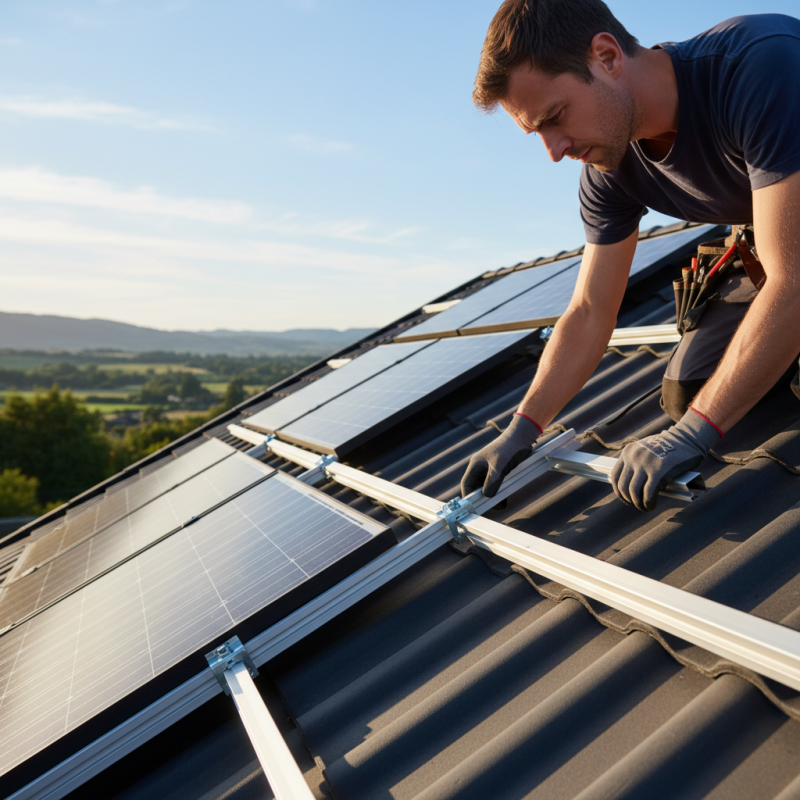
How to Install Solar Mounting Systems for Optimal Performance?

Overview of Solar Mounting Systems and Their Importance in Solar Energy

Solar mounting systems play a vital role in the efficiency of solar energy installations. These systems are designed to secure solar panels to various surfaces such as rooftops, ground surfaces, and poles. A quality mounting system ensures that panels remain stable in varying weather conditions and at optimal angles to capture sunlight. When installed correctly, they maximize energy production, which is essential for both residential and commercial applications.

The importance of investing in a reliable solar mounting system cannot be understated. Each system must be tailored to the specific environment and building structure. For example, roofs with low slopes may require different mounting techniques compared to those with steep angles. Additionally, proper installation can prevent future complications, such as panel misalignment or damage during storms. Understanding the site’s unique characteristics ensures that the system serves its purpose effectively. However, not every installation goes smoothly; some may face challenges like inappropriate spacing or structural weaknesses that compromise performance and longevity.

How to Install Solar Mounting Systems for Optimal Performance? - Overview of Solar Mounting Systems and Their Importance in Solar Energy

Type of Mounting System Material Installation Complexity Cost Estimate ($) Optimal Performance Angle (Degrees)
Fixed Tilt Aluminum Low 500 - 1000 30
Adjustable Tilt Steel Medium 800 - 1500 20 - 40
Tracking Aluminum & Steel High 1500 - 3000 Optimal based on location
Ballasted Concrete Medium 1000 - 2000 15 - 25

Types of Solar Mounting Systems: Fixed, Adjustable, and Tracking Solutions

Solar mounting systems are crucial for maximizing the efficiency of solar energy systems. When considering installations, you'll primarily find three types: fixed, adjustable, and tracking solutions. Each type has its unique benefits and trade-offs.

Fixed mounting systems are the simplest. They are stationary and positioned at a specific angle. These systems work well for areas with consistent sunlight but can miss out on additional energy during seasonal shifts. Research shows that fixed mounts capture about 80-90% of solar energy potential in optimal locations.

Adjustable mounts offer better performance. Users can change the angle of the panels based on the sun's position throughout the year. Data suggests that these systems can increase energy production by around 15-30% compared to fixed installations. A downside is the need for periodic adjustments, which some users may find inconvenient.

Tracking systems are the most advanced. They move with the sun's path, maximizing exposure throughout the day. These solutions boast a remarkable increase of 25-40% in energy capture. However, they require higher upfront investments and more maintenance.

Tip: Always assess your geographical location before choosing a system. Some areas may not benefit greatly from tracking systems due to weather conditions.

Consider the potential challenges. Regular maintenance is necessary for all types. In some cases, installation costs may outweigh immediate benefits. Balancing cost and performance is essential for effective solar energy utilization.

Key Considerations for Site Selection and Structural Assessment

When installing solar mounting systems, site selection and structural assessment play critical roles in achieving optimal performance. Choosing the right location is essential. Solar panels require unobstructed sunlight for maximum efficiency. A site with ample sun exposure is ideal. Additionally, consider potential obstructions like trees or buildings. Shadows can significantly reduce energy production.

Structural assessment is equally important. Ensure that your chosen structure can support the mounting systems adequately. This involves evaluating the roof's condition, slope, and material. A weak or old roof may not withstand the added weight. Engaging a structural engineer can provide insights that enhance safety and performance. Sometimes, unexpected issues arise, such as hidden damage, that could jeopardize the installation.

Overall, addressing these considerations is crucial. Missteps in site selection or structural evaluation can lead to costly failures. It's essential to approach the installation thoughtfully, with both factors in mind. Investing time in proper assessment will yield long-term benefits for energy output and system durability.

Step-by-Step Installation Process for Solar Mounting Systems

Installing solar mounting systems can significantly impact energy efficiency. A well-executed installation maximizes sunlight capture, ensuring optimal performance. Each step matters, and taking the time to do it right pays off in the long run.

Begin by assessing your site. Check for shading from trees, buildings, or other structures. Clear away debris and ensure the roof or ground is stable. It’s vital to position mounting systems at the correct angle for maximum sun exposure. Many overlook the specifics of adjustment. Slight variations can lead to diminished energy output.

Once the positioning is correct, secure the mounting hardware firmly. Use appropriate tools and materials. This stage often feels straightforward but can lead to regret if rushed. After installation, double-check all connections and ensure everything is level. A well-planned installation requires careful attention to detail. Small mistakes can mean higher future maintenance costs. Reflect on your process; what could be improved next time? Each installation is a learning opportunity.

Best Practices for Maintenance and Monitoring of Installed Systems

Regular maintenance of solar mounting systems is crucial for their optimal performance. Inspecting components every few months can prevent significant issues. Look for signs of wear or corrosion. Small problems can escalate if not addressed promptly. Ensure that all bolts and connections are tight. Loose components can lead to structural failures over time.

Monitoring the system's output is essential. Use performance tracking tools to measure energy production. Comparing actual output with expected performance can reveal hidden issues. If performance drops significantly, investigate potential causes, such as shading or dust accumulation. Are the panels clean and unobstructed? Sometimes, simple cleaning can restore efficiency.

Documentation of maintenance activities is important. Record inspections, repairs, and performance metrics. This practice builds a history of the system's health. It is helpful when troubleshooting future problems. However, many overlook this task. Consistency in documentation can enhance reliability and encourage reflective practices. Regular review of these records may provide insights into long-term trends.

FAQS

: What are the main types of solar mounting systems?

: The main types are fixed, adjustable, and tracking solutions.

How do fixed mounting systems function?

Fixed systems are stationary and set at a specific angle, ideal for consistent sunlight.

What is the energy capture rate for fixed mounts?

Fixed systems capture about 80-90% of potential energy in optimal locations.

What advantages do adjustable mounts offer?

Adjustable mounts allow angle changes, increasing energy production by 15-30%.

What is a disadvantage of adjustable mounts?

They need periodic adjustments, which can be inconvenient for some users.

How do tracking systems differ from other mounts?

Tracking systems move with the sun, maximizing exposure and energy capture by 25-40%.

What is a challenge associated with tracking systems?

They require higher upfront investments and more maintenance than other types.

Why is site selection important for solar installations?

Unobstructed sunlight is vital; shadows from trees or buildings can reduce energy production.

What should a structural assessment include?

Assess roof condition, slope, and material to ensure support for mounting systems.

How can regular maintenance impact solar systems?

Regular inspections prevent issues and ensure performance; neglect can lead to costly failures.

Conclusion

In this article titled "How to Install Solar Mounting Systems for Optimal Performance," we explore the significance of solar mounting systems in harnessing solar energy efficiently. The article begins by providing an overview of different types of mounting solutions, including fixed, adjustable, and tracking systems, each catering to varying energy needs and site conditions. Important factors for site selection and structural assessment are discussed, ensuring that installers consider the unique characteristics of their locations.

The core content outlines a step-by-step installation process, emphasizing how to install solar mounting systems correctly for maximum performance and durability. Additionally, best practices for ongoing maintenance and monitoring are highlighted to ensure the longevity of the installed systems. By following the guidance provided, individuals and professionals can optimize their solar energy systems effectively, contributing to a sustainable energy future.

Sophia

Sophia

Sophia is a dedicated marketing professional with an exceptional depth of knowledge about her company's products and services. With a keen understanding of market trends and customer needs, she crafts insightful blog posts that not only inform but also engage readers, enriching the company’s online......