In the rapidly growing field of solar technology, maintaining solar inverters is crucial for maximizing energy efficiency. Industry expert Dr. Emma Foster emphasizes, "Regular maintenance is the key to ensuring your solar inverter operates at peak performance." Understanding how to maintain solar inverters for optimal performance is essential for homeowners and businesses alike.
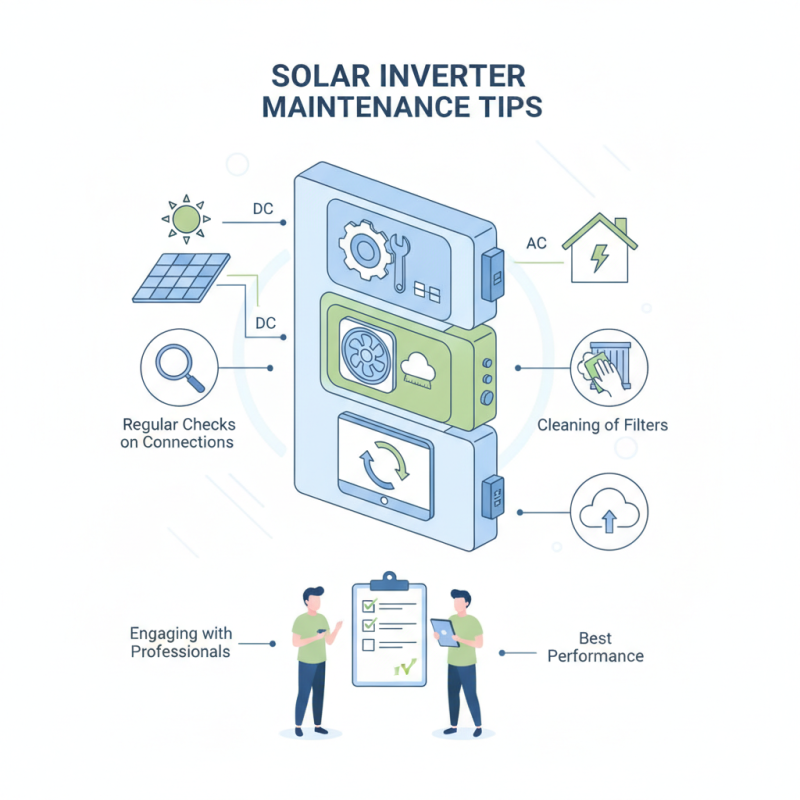
Solar inverters convert direct current into alternating current, making them vital for any solar energy system. Without proper upkeep, their efficiency can decline, leading to lower energy production and higher costs. Regular checks on connections, cleaning of filters, and software updates play a significant role in this maintenance process.
The process might seem straightforward. However, many overlook small signs that indicate a need for servicing. Neglecting these can result in serious issues down the road. Focusing on these details is what sets successful solar operations apart from the rest. Engaging with professionals and using expert advice can help identify the best practices in maintaining solar inverters effectively.
Types of Solar Inverters and Their Maintenance Needs
Solar inverters play a crucial role in any solar energy system. Understanding the types of inverters is essential for effective maintenance. There are primarily three types: string inverters, microinverters, and power optimizers. Each type has unique maintenance requirements.
String inverters are the most common. They need regular cleaning to remove dirt and debris. Dust can affect performance. Inspecting connections is vital, too. Ensure there are no loose wires or corrosion.
Microinverters work differently and require less maintenance. They monitor each panel individually. This feature helps pinpoint issues quickly. However, checking the inverter's firmware is still necessary. Keeping it updated is crucial for optimal performance.
Power optimizers, similar in function to microinverters, also require software updates. Look for any physical damage on units. Monitoring performance remotely through apps can help detect problems early.
Tips: Regularly scheduled maintenance checks can prolong the life of your inverters. Keeping track of energy output can reveal hidden issues. Don't overlook the importance of professional inspections, especially for safety.
Regular Cleaning and Inspection for Optimal Inverter Performance
Regular cleaning and inspection are essential for maintaining solar inverters. Dust, dirt, and grime can accumulate on inverter surfaces, hindering their performance. According to industry reports, a dirty inverter can lose up to 20% of its efficiency. Regularly clearing these obstructions ensures optimal energy production and longevity. It requires minimal effort but yields significant rewards.
Routine inspections should not be overlooked. Check for any signs of wear or damage. Loose wires or corrosion can impact performance. A survey by the Solar Energy Industries Association found that well-maintained inverters can last up to 25% longer than neglected ones. Identifying issues early can prevent costly repairs down the line.
However, not all inspections are straightforward. Some components might be hard to reach, creating a challenge for homeowners. Engaging a professional might sometimes be necessary. It’s critical to track maintenance appointments and outcomes. Keeping a record can help identify patterns. Consistency is key, and being proactive is better than reactive. Balancing maintenance efforts with actual performance can lead to a more efficient solar system overall.
Monitoring Inverter Performance: Key Metrics to Watch
Monitoring solar inverter performance is crucial for optimal efficiency. Key metrics include efficiency rating, output voltage, and temperature. According to the National Renewable Energy Laboratory (NREL), maintaining a minimum inverter efficiency of 95% is essential. Deviations from this benchmark can signal potential issues. Understanding how to interpret these metrics can prevent costly downtime.
Another vital metric is the output voltage. A significant drop in voltage could indicate inverter malfunction or problems within the overall system. Regular checks can help frame the overall status of solar energy systems. Similarly, temperature monitoring is important. High temperatures may lead to inverter failure and decreased lifespan. Reports suggest that inverters operated consistently above 80°C could reduce operational life by up to 50%.
In practice, these metrics require constant surveillance. Many users overlook these signs. However, proactive management can yield significant benefits. Reports indicate that timely maintenance can enhance inverter performance by up to 15%. It’s essential to develop a routine check schedule, focusing on these metrics, to sustain functionality and maximize energy output. Identifying and addressing red flags early can lead to greater reliability and lower repair costs in the long run.
Troubleshooting Common Inverter Issues and Solutions
Solar inverters play a crucial role in converting solar energy into usable electricity. However, they can encounter issues that affect their performance. Identifying these common problems is essential for maintaining optimal energy output. One common issue is overheating. If your inverter feels unusually warm, check for proper ventilation and dirt accumulation. Keeping the vents clean can help maintain airflow and prevent overheating.
Another frequent problem is a sudden drop in efficiency. This could be due to shading from nearby objects or debris on panels. Regularly inspect your solar panels for obstructions, and clean them when necessary. Sometimes, inverter error codes appear on the display. Familiarize yourself with these codes for quick troubleshooting. Resetting the inverter may resolve the issue, but recurring errors might indicate a more significant problem that requires professional help.
Battery issues also need attention. Overcharging or undercharging can shorten battery life. Monitor your battery levels and ensure they are in the recommended range. Regular maintenance checks can prevent unexpected failures. Invest time in understanding these components to ensure your system operates smoothly. When problems arise, take a moment to reflect on the system's conditions before jumping to conclusions. Addressing these common inverter issues can enhance your solar energy experience significantly.
How to Maintain Solar Inverters for Best Performance Tips - Troubleshooting Common Inverter Issues and Solutions
| Issue |
Symptoms |
Possible Causes |
Solutions |
| No Power Output |
Inverter display shows no output |
Tripped circuit breaker, faulty inverter |
Check connections, reset the breaker, or replace the inverter if necessary |
| Frequent Overheating |
Inverter shuts down frequently |
Poor ventilation, dirty heat sinks |
Ensure adequate airflow around the inverter, clean the heat sinks |
| Voltage Instabilities |
Fluctuating output voltage |
Grid issues, faulty wiring |
Consult with a professional to check grid stability and wiring |
| Low Efficiency |
Reduced energy production |
Dusty panels, inverter software issues |
Regularly clean solar panels and update inverter firmware |
Scheduling Professional Maintenance: When and Why It Matters
Scheduling regular professional maintenance for solar inverters is vital for longevity and performance. Over time, wear and tear can diminish their efficiency. Dust accumulation, electrical connection issues, and software glitches may go unnoticed. A professional can identify and rectify these problems before they escalate.
Timing is crucial when arranging maintenance. Early spring is often ideal, as it prepares the system for peak summer usage. Weather conditions can impact the inverter's functionality. A professional can clean solar panels and inspect inverters under optimal conditions, ensuring maximum energy production.
It’s also essential to remember that not all maintenance requires immediate attention. Some minor issues might not hinder current performance but could lead to larger failures later. Regular check-ups can help prioritize what needs urgent care and what can wait. Balancing cost and efficiency in maintenance planning can be challenging yet rewarding for long-term solar energy success.
Conclusion
Maintaining solar inverters is crucial for ensuring their optimal performance and longevity. Understanding the different types of solar inverters and their specific maintenance needs is the first step in this process. Regular cleaning and inspection are essential to prevent dust and debris from affecting the inverter's functionality. Additionally, monitoring key performance metrics, such as energy output and efficiency levels, helps in identifying potential issues early on.
For those wondering how to maintain solar inverters for optimal performance, troubleshooting common inverter problems can further enhance reliability. Knowing when to schedule professional maintenance is equally important, as experts can provide thorough checks and necessary repairs that may be overlooked during routine inspections. By following these strategies, solar inverter owners can maximize the lifespan and effectiveness of their systems, ensuring sustainable energy production for years to come.

 Stuart Solar