How to maintain solar mounting systems for long lasting efficiency?

Time:2026-05-01 Author:Sienna
0%

The efficiency of solar energy systems greatly depends on their mounting systems. Proper maintenance plays a critical role in advancing performance and extending lifespan. As reported by the Solar Energy Industries Association (SEIA), solar installations are expected to increase by 20% annually over the next decade. However, many overlook essential maintenance tasks.

Understanding how to maintain solar mounting systems for long-term use is vital. Proper inspection and cleaning can prevent performance degradation. A study from the National Renewable Energy Laboratory highlights that regular maintenance can enhance energy output by nearly 15%. Failing to address corrosion or loose fittings can shorten the system's lifespan significantly.

Regular checks and timely repairs will ensure optimal performance. Solid knowledge in material selection and understanding environmental impacts will provide a cleaner energy future. Neglecting maintenance may save time now but could lead to costly repairs or early replacements later. Continuous monitoring and attention to detail are key to maximizing investments in solar technology.
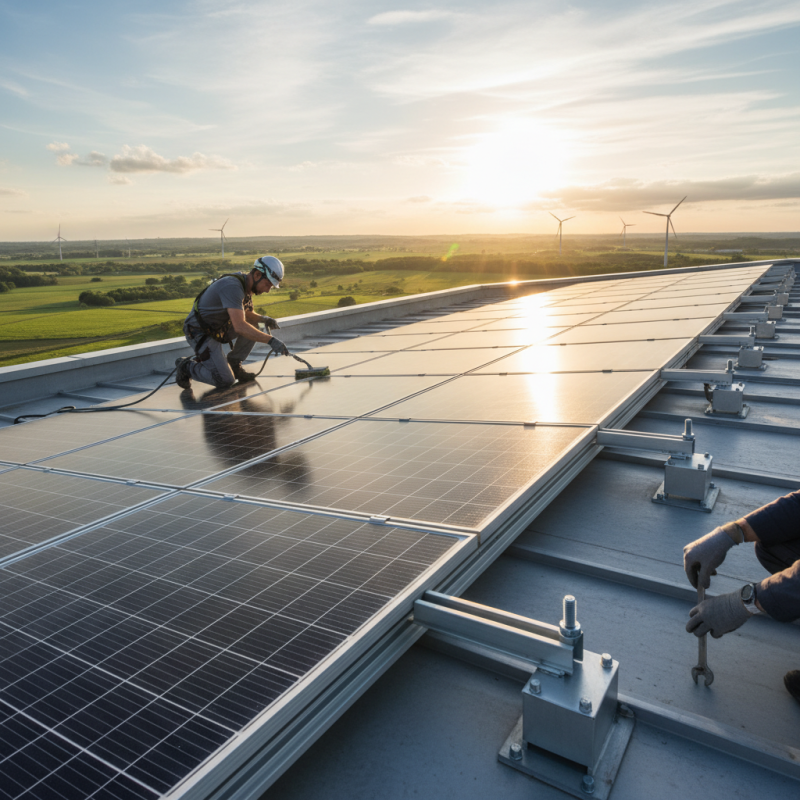
How to maintain solar mounting systems for long lasting efficiency?

Understanding Solar Mounting Systems and Their Importance

Solar mounting systems play a crucial role in maximizing the efficiency of solar panels. These systems ensure that panels are securely fixed at an optimal angle to capture sunlight. Understanding their importance is essential for any solar energy setup. A strong mounting system also protects your investment from harsh weather conditions.

Regular maintenance is key to keeping solar mounting systems functional. Inspect for rust or corrosion regularly. Changing weather can impact the mounting hardware. Ensure that bolts and connections are tight. Loose components can lead to misalignment and reduced energy capture.

Tips: Check the condition of components every six months. Clean debris and dirt off the panels and mounts. This prevents damage and maintains efficiency. Consider using non-corrosive materials for better longevity. If you notice significant wear, consult a professional for advice. Regular checks will save you costs in the long run, promoting sustainability.

Regular Inspection Protocols for Solar Mounting Systems

Regular inspections of solar mounting systems are crucial for maintaining long-term efficiency. Industry reports indicate that 80% of solar panel failures stem from inadequate maintenance of mounting structures. This highlights the need for a robust inspection protocol. Regular checks can identify potential issues like corrosion, misalignment, or loose connections before they escalate into costly repairs.

During inspections, it's essential to evaluate the integrity of bolts and brackets. According to the Solar Energy Industries Association (SEIA), more than 30% of mounting failures result from these small components. Inspectors should also look for debris buildup, which can hinder the stability and performance of the system. A clean site not only supports efficiency but also prolongs the lifespan of the solar installation.

Lastly, consider using drones for more thorough assessments. Their aerial view can spot issues that might be missed from the ground. Yet, the technology isn't infallible. It's essential to complement drone inspections with hands-on evaluations. Effective maintenance requires a combination of innovative tools and traditional methodologies for the best results.

Cleaning and Maintenance Techniques for Optimal Performance

To ensure optimal performance of solar mounting systems, regular cleaning and maintenance are crucial. Dust, dirt, and debris can accumulate on solar panels, blocking sunlight and reducing efficiency. It’s advisable to inspect the panels every few months. A gentle wash with water and a soft brush can effectively remove surface grime. Avoid harsh chemicals, as they can damage the panels.

Regular maintenance goes beyond cleaning. Check the mounting structures for signs of wear or corrosion. Over time, bolts may loosen or rust. Secure all connections and replace any damaged components. Visual inspections help identify issues before they lead to more significant problems.

Weather conditions can also affect performance. After heavy storms, assess for debris build-up or damage. Take this opportunity to adjust the angle of the panels if necessary, optimizing exposure to sunlight. This attention to detail ensures longer-lasting efficiency and reliability in energy production. Regular maintenance requires commitment, but the rewards are certainly worth the effort.

Identifying and Addressing Common Issues in Solar Mounting

Regular maintenance of solar mounting systems is crucial. Addressing common issues can enhance longevity and efficiency. Dirt, dust, and debris accumulation can lead to improper alignment. Even small debris can cause long-term damage.

Tips for maintenance: Regularly inspect the solar mounts for signs of wear and tear. Look for corrosion or rust, especially in coastal areas. Tighten any loose bolts or brackets promptly. This can prevent more significant issues down the line.

Weather can impact the structural integrity of solar mounting systems. Heavy winds may shift panels out of alignment. During strong storms, check for any dislodged components. Always have a qualified technician perform detailed inspections periodically. This might seem costly, but addressing problems early saves money long-term. Consistency in care ensures your solar investment remains productive.

Best Practices for Long-Term Care of Solar Mounting Systems

Maintaining solar mounting systems is crucial for long-term efficiency. Regular inspections are key. Ensure all components are tight and free of rust. Check the alignment of panels. Misalignment can decrease energy output significantly. A small adjustment can have a big impact on performance.

Cleaning is another vital practice. Dirt and debris can accumulate on the solar panels. This can block sunlight and reduce efficiency. Use a soft cloth or sponge and soapy water for cleaning. Avoid abrasive materials, as they can damage the surface. Inspect the surrounding area for any obstructions. Overgrown trees or nearby structures can cast unwanted shadows.

Consider environmental factors that may affect your system. High winds may loosen mounts. Heavy snow can add weight and stress. Depending on the location, weather-related issues may arise. Document any changes or damages quickly. Keeping a detailed maintenance log can help identify patterns over time. This ongoing attention can help ensure the longevity of your solar installation.

FAQS

: Why are solar mounting systems important?

: They secure solar panels at optimal angles for sunlight capture and protect against harsh weather.

How often should I inspect my solar mounting system?

Inspect every six months for optimal performance and to catch issues early.

What signs indicate maintenance is needed?

Look for rust, corrosion, loose bolts, or significant debris buildup on mounts.

Can weather affect solar mounting systems?

Yes, heavy winds and storms can misalign panels or dislodge components.

Should I use any specific materials for mounts?

Consider using non-corrosive materials. They enhance durability and longevity.

Is professional help necessary for inspections?

Yes, a qualified technician can identify issues that may not be visible.

How can drone technology aid in inspections?

Drones provide aerial views that can reveal potential issues missed from the ground.

What maintenance tasks should I perform regularly?

Clean debris, check components for wear, and ensure all connections are tight.

What happens if I neglect maintenance?

Neglect can lead to costly repairs and decreased energy efficiency over time.

Can small debris affect solar panel performance?

Yes, even small particles can cause misalignment and long-term damage.

Conclusion

Maintaining solar mounting systems is crucial for ensuring their long-term efficiency and effectiveness. Understanding the importance of these systems lays the foundation for effective maintenance strategies. Regular inspections should be conducted to identify any wear and tear, and established protocols can help pinpoint potential issues before they escalate.

Cleaning and maintenance techniques are vital for optimal performance, as dirt and debris can hinder solar panel functionality. Addressing common issues proactively can prevent costly repairs down the line. Finally, adhering to best practices for care, such as timely inspections and thorough cleaning, will significantly enhance the longevity of your solar mounting systems. In summary, knowing how to maintain solar mounting systems for long-term use is essential for maximizing their benefits and ensuring continued energy efficiency.

Sienna

Sienna

Sienna is a skilled marketing professional with a deep expertise in our company’s core products and services. With a passion for innovation and detail, she plays a pivotal role in crafting insightful blog posts that not only highlight the unique features of our offerings but also provide valuable......