In the evolving world of renewable energy, the resilience of solar mounting systems is critical. Industry expert Dr. Emily Carter, a leading authority in solar technology, states, "Understanding how to ensure solar mounting systems are wind and rain resistant is essential for their longevity." This insight highlights the importance of robust design against unpredictable weather.
Wind and rain can severely impact solar installations. Properly designed mounting systems need to withstand these natural forces. Attention to detail in material selection and engineering helps achieve this. For example, stainless steel components can prevent rust, while aerodynamic designs reduce wind load.
However, ensuring reliability is not always straightforward. Many installations face challenges during severe weather events. Some systems may need retrofitting for better protection. It's crucial for designers to learn from these instances. Understanding vulnerabilities helps improve future designs. The journey to achieving optimal resilience is ongoing.
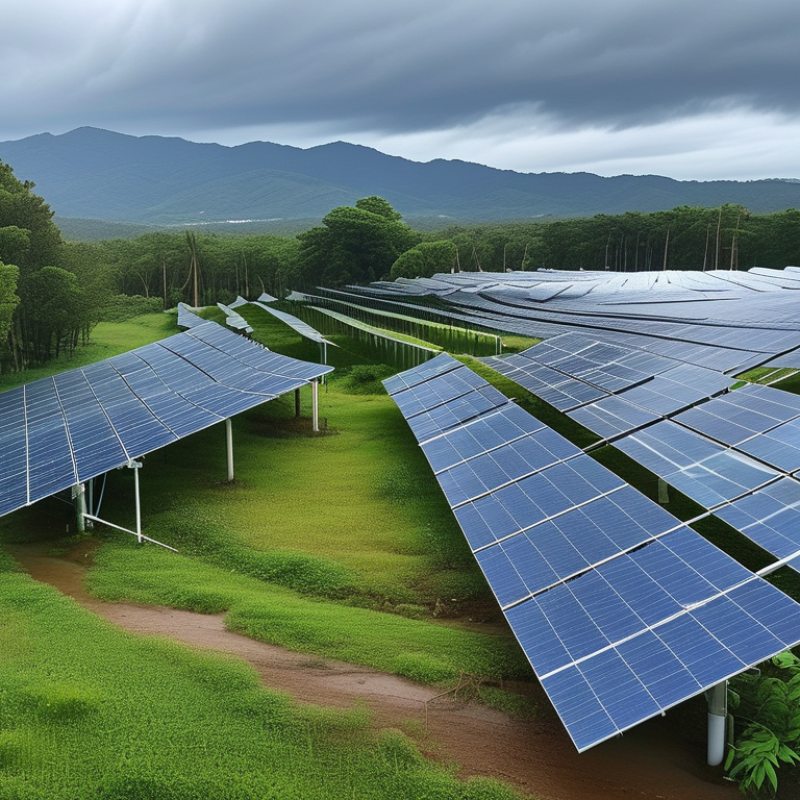
Wind and rain resistance is crucial for solar mounting systems. These systems support solar panels, which need to withstand harsh weather conditions. Without proper resistance, panels can get damaged. This damage can lead to costly repairs and energy loss. In areas with high winds or heavy rains, robust mounting systems are essential. They ensure that panels remain securely in place, minimizing the risk of failure.
One tip is to choose high-quality materials for your mounting systems. Corrosion-resistant metals can withstand rain without weakening. Another recommendation is to regularly inspect your mountings. Look for signs of wear or damage. Addressing small issues early can prevent larger problems down the line.
Also, consider the design. Opt for low-profile mounts to reduce wind uplift. Angled systems may catch more wind, increasing stress. However, poorly designed mounts can lead to failures, sometimes unexpectedly. These considerations are crucial for maintaining efficiency and safety in solar energy use.
When designing solar mounting systems, stability against wind forces is critical. Key features can enhance resilience. A low center of gravity is essential. Placing the solar panels closer to the ground reduces wind uplift. This design minimizes the chance of toppling during high gusts.
Another essential aspect is the use of robust materials. Aluminum and steel can offer strength without excessive weight. However, using heavier materials may complicate installation. Engineers must balance weight and durability carefully. Furthermore, adding windbreaks or barriers can help deflect wind forces. These additions modify airflow and can lead to significant stability improvements.
Proper anchoring techniques are also vital. Deep foundations can secure mounting systems against extreme weather. However, the installation process must be meticulously planned. Hiring experienced professionals is suggested. Even small errors in installation might compromise the system's performance. Regular inspections and maintenance should not be overlooked. Addressing potential weaknesses early can prevent costly failures later on.
When selecting materials for solar mounting systems, the focus on weather resistance is critical. According to the Solar Energy Industries Association, durable systems can significantly enhance longevity and performance. Stainless steel and aluminum are often recommended due to their corrosion resistance and structural strength. These metals maintain integrity in harsh environments, including high winds and heavy rain, allowing solar panels to stay securely mounted.
Additionally, specialized coatings can further protect against the elements. A study by the National Renewable Energy Laboratory highlights that UV-resistant coatings can reduce wear by up to 30%. These coatings not only shield surfaces but also prevent material degradation over time. However, it's essential to evaluate the potential for warranty claims due to weather damage, as many manufacturers have strict requirements for material quality.
While advancements have been made in material technology, there are still challenges to address. For instance, improper installation can lead to vulnerabilities, even with high-quality materials. Furthermore, local weather patterns may dictate different needs, which can be overlooked during planning. Engaging local experts can mitigate these risks, ensuring optimal performance and safety for solar installations.
Wind and rain can significantly impact solar mounting systems. Proper installation techniques are crucial for reducing vulnerability to the elements. A well-designed system not only endures adverse weather but also maintains energy production efficiency.
Choose sturdy mounting materials that can withstand high wind loads. Stainless steel and aluminum are great options, offering both strength and corrosion resistance. Position solar panels at an angle. This helps prevent water accumulation on surfaces, reducing the risk of damage. Ensure that the installations are secured with weather-resistant fasteners.
**Tips:** Always check for local weather patterns. This can influence how you design your mounting system. Inspect panels regularly for wear and tear. Be aware of any debris build-up that can damage your system. Consider using drainage solutions to guide rainwater away from the panels and mounts. Each of these small adjustments can help minimize vulnerability to harsh weather.
| Installation Technique | Description | Effectiveness Rating | Recommended Materials |
|---|---|---|---|
| Use of Wind Braces | Install additional braces between mounting structures to enhance stability and reduce wind uplift. | High | Steel, Aluminum |
| Sealing Joints | Apply waterproof sealants at joints to prevent water ingress and potential rust or damage. | Medium | Silicone Sealant, Polyurethane |
| Orientation Adjustment | Tilt solar panels at an angle to deflect rainwater and reduce wind pressure. | High | Adjustable Racking Systems |
| Flexible Mounting Systems | Use flexible solar mounts that can absorb wind and rain impact without breaking. | Medium | Composite Materials |
| Regular Maintenance | Schedule routine inspections to ensure all components are secure and functional. | High | Tools for Inspection |
Regular maintenance is crucial for the longevity and performance of solar mounting systems. By checking components regularly, you can prevent issues caused by wind and rain. Inspecting for loose bolts, corrosion, or damaged parts helps identify potential weaknesses. Cleaning debris from the mounts is essential, as buildup can trap moisture and create problems.
Tips: Look for signs of wear. Replace old seals and gaskets to keep water out. Make it a habit to inspect after storms. A little time spent can save significant costs later.
Another aspect to consider is the positioning of the system. Proper alignment can enhance performance and durability. Evaluate the inclination and orientation to maximize exposure while also ensuring stability against strong winds.
Tips: Use a level to check the alignment. Adjustments may seem tedious but can reduce maintenance efforts over time. Document your findings to track the system's health effectively.
: It prevents damage to panels, reducing repair costs and energy loss during harsh weather.
Corrosion-resistant metals like stainless steel and aluminum offer durability and strength in harsh conditions.
Regular checks are crucial. Look for signs of wear or damage to prevent larger issues later.
Low-profile designs help reduce wind uplift. Angled mounts may increase stress and risk of failure.
Yes, UV-resistant coatings protect against wear and reduce degradation over time by up to 30%.
Improper installation can create vulnerabilities. Local weather conditions can also dictate different needs.
Regularly clean debris, check for loose bolts, and replace old seals to keep systems functioning well.
Absolutely. It's important to inspect for any damage or loose parts following severe weather.
Proper alignment enhances performance and durability against strong winds, requiring careful evaluation.
Document your inspections and findings regularly. This practice helps identify trends and potential issues.
In today's solar energy landscape, understanding how to ensure solar mounting systems are wind and rain resistant is crucial for maximizing their effectiveness and longevity. Wind and rain resistance is important not only for safeguarding the installation but also for maintaining optimal energy production. Key design features such as aerodynamic shapes and robust anchoring methods can significantly enhance stability against wind forces. Material selection plays a vital role, with options like corrosion-resistant metals and weatherproof coatings ensuring that components withstand harsh environmental conditions.
Moreover, employing proper installation techniques can minimize vulnerabilities to wind and rain damage. Adequate drainage systems and strategic positioning of the mounts can help mitigate potential risks. Additionally, implementing regular maintenance practices is essential to ensure the ongoing performance and durability of solar mounting systems, allowing them to endure the test of time and weather challenges effectively. By combining these strategies, solar installations can achieve resilience against the elements, ensuring reliable energy generation for years to come.
Stuart Solar