When exploring solar panels, a common question arises: What is the difference between monocrystalline and polycrystalline solar panels? The choice between these two technologies is crucial for many homeowners and businesses. Each type of solar panel has unique characteristics that influence efficiency, cost, and installation versatility.
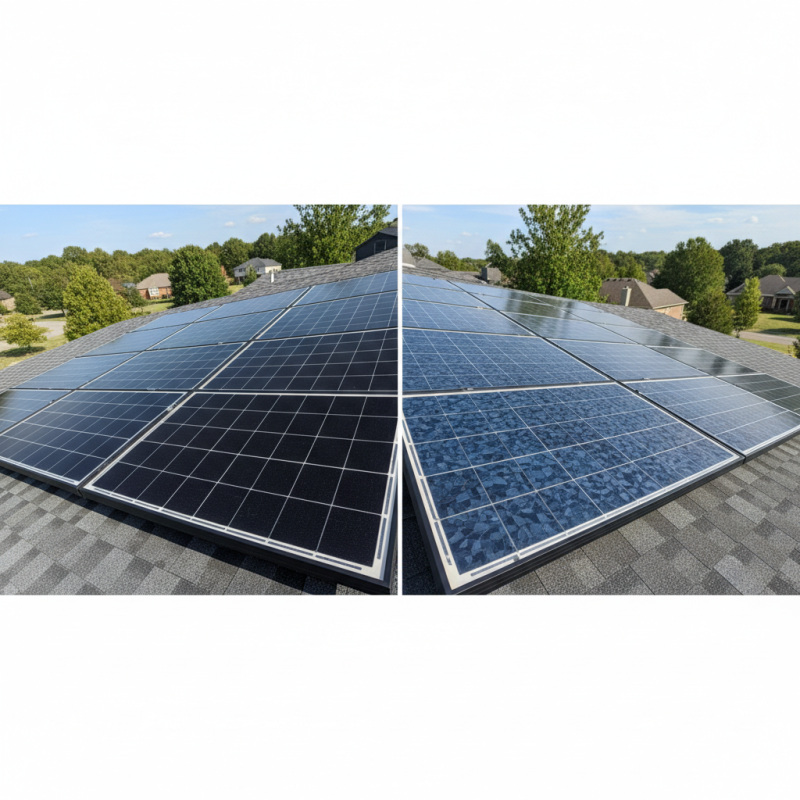
Monocrystalline panels, known for their sleek black appearance, are made from a single crystal structure. They generally offer higher efficiency and take up less space. However, they come with a higher price tag. In contrast, polycrystalline panels, which have a bluish hue, are composed of multiple crystal structures. They tend to be more affordable but are also less efficient compared to their monocrystalline counterparts.
Understanding these differences can be challenging. Factors such as available roof space, budget, and energy needs play significant roles in decision-making. Thorough research and reflection on one's specific requirements are vital. The choice you make today can influence energy savings for years to come. Are you opting for efficiency or cost-effectiveness? This question deserves careful consideration.
Understanding Monocrystalline Solar Panels
Monocrystalline solar panels are a popular choice for many homeowners and businesses. These panels are made from single-crystal silicon, which provides high efficiency and durability. Data from the National Renewable Energy Laboratory shows that monocrystalline panels can reach efficiencies of up to 22%. This makes them ideal for locations with limited space, as they produce more energy per square foot.
While monocrystalline panels tend to be more expensive, their long lifespan can justify the investment. Industry reports indicate that they often last over 25 years, providing a reliable energy source throughout their life. However, the initial cost barrier can be a concern for some users. It’s essential to evaluate your budget and energy needs when considering these options.
Tip: Consider the total cost of ownership. Factor in installation, maintenance, and potential energy savings for a clearer picture.
Beyond efficiency, performance under varying conditions is noteworthy. Monocrystalline panels excel in low-light conditions, generating substantial energy even on cloudy days. However, not all installations will benefit equally from this. If your location has frequent shading, the advantages might diminish. Reflect on your site’s unique characteristics before making a decision.
Tip: Assess your installation’s environment. Shading, orientation, and roof condition can significantly impact performance.
Exploring Polycrystalline Solar Panels
When considering solar energy, polycrystalline solar panels emerge as a popular choice. These panels are made from multiple silicon crystals, which gives them a distinctive speckled appearance. They tend to be less efficient than their monocrystalline counterparts, primarily due to their structure. The manufacturing process is generally simpler, making them more cost-effective for many homeowners.
One notable feature of polycrystalline panels is their performance in various temperatures. They excel in moderate climates, yet their efficiency drops in high heat. This is a critical factor to consider. Many users have reported that during extremely hot days, their output doesn’t meet expectations. Understanding these limitations can help in making an informed decision.
Installation and space requirements are equally significant. Polycrystalline panels require more space for the same energy output compared to monocrystalline panels. This can be a challenge for those with limited roof space. While these panels offer durability, potential customers should weigh these practical implications before making a commitment. Transparency in the decision-making process is crucial for a successful energy transition.
Monocrystalline vs Polycrystalline Solar Panels: Energy Efficiency Comparison
This chart compares the average energy efficiency of monocrystalline and polycrystalline solar panels, demonstrating the higher efficiency of monocrystalline panels.
Comparative Analysis of Efficiency and Performance
When choosing between monocrystalline and polycrystalline solar panels, efficiency and performance are key considerations.
Monocrystalline panels typically offer higher efficiency rates, often exceeding 20%. They require less space, making them ideal for residential rooftops.
Polycrystalline panels, while usually less efficient, are more affordable and have a lower environmental impact during production.
Efficiency in real-world conditions matters too. Monocrystalline panels perform better in low-light conditions. However, their higher cost may not always justify the benefits for every homeowner.
Polycrystalline panels are vulnerable to heat loss, but they provide reliable performance in moderate climates. Consider the local climate and your energy needs when making a choice.
Tips for decision-making:
Analyze your roof's space and orientation. If limited space is a concern, monocrystalline might be your best bet.
Explore local incentives for solar purchases; they can significantly affect overall costs.
Remember, it's essential to gauge personal energy needs and calculate potential savings.
Don't rush into a decision—evaluate your options thoroughly.
Cost Considerations and Long-term Investment
When considering solar panels, one must weigh the costs and long-term benefits.
Monocrystalline panels generally have a higher efficiency, making them a popular choice.
However, they often come with a higher upfront cost. Polycrystalline panels are typically cheaper,
yet they offer slightly less efficiency. This difference can impact the overall energy output over time.
Investing in solar isn't just about immediate savings. Monocrystalline panels, while pricier, may yield higher energy production in the long run.
In contrast, polycrystalline panels could save you money now, but they might require replacement sooner due to lower longevity.
This aspect demands reflection on future energy needs and budget constraints.
One's decision should also consider installation costs and available roof space. Smaller installations may benefit from the efficiency of
monocrystalline panels. Larger spaces might find polycrystalline panels to be
more cost-effective. Ultimately, the right choice involves balancing current finances
with long-term energy goals. This decision can greatly influence your energy independence and financial savings for years to come.
Environmental Impact and Sustainability of Solar Panels
When considering the environmental impact of solar panels, both monocrystalline and polycrystalline options have unique footprints. Monocrystalline panels, made from single-crystal silicon, often produce more energy than their polycrystalline counterparts per square meter. This efficiency can lead to a lower overall land use, which is a significant factor for sustainability. A report from the International Energy Agency indicates that the energy payback time for solar panels generally ranges from 1 to 4 years, depending on the technology and location. Hence, the longevity and efficiency of monocrystalline panels could make them a more sustainable choice in the long run.
However, polycrystalline panels, produced from multiple silicon crystals, come with benefits too. They typically require less energy to manufacture than monocrystalline panels. This could translate to a smaller carbon footprint during production. The material's nature means that polycrystalline panels can be less efficient, potentially requiring more space. The trade-off arises when considering their overall environmental impact. Yet, as solar technology advances, even polycrystalline panels are improving in efficiency.
There’s ongoing debate about the recycling of solar panels. Currently, only 10% of installed panels are recycled effectively. Many end up in landfills, contributing to environmental concerns. Finding ways to improve the recyclability of both types of solar panels is essential. As sustainability remains a critical focus in the industry, how we handle the life cycle of solar technology is more important than what type we choose initially.
Monocrystalline vs Polycrystalline Solar Panels: What to Choose?
| Parameter |
Monocrystalline Solar Panels |
Polycrystalline Solar Panels |
| Efficiency |
15-22% |
13-16% |
| Cost |
Higher |
Lower |
| Lifespan |
25+ years |
20-25 years |
| Energy Output |
Higher per square meter |
Lower per square meter |
| Environmental Impact |
Lower, due to higher efficiency |
Higher, requires more raw materials |
| Temperature Performance |
Better |
Worse |
FAQS
: They are made from single-crystal silicon, offering high efficiency and durability.
Their high efficiency, reaching up to 22%, makes them ideal for limited spaces.
They can last over 25 years, providing a reliable energy source.
Factor in all costs, including installation, maintenance, and potential energy savings.
They excel in low-light, generating energy even on cloudy days.
Frequent shading can diminish the advantages of monocrystalline panels.
Monocrystalline panels are more efficient, while polycrystalline panels require less energy to manufacture.
It ranges from 1 to 4 years, depending on technology and location.
Currently, only 10% of installed panels are effectively recycled, leading to landfill waste.
Improving recyclability is essential for sustainability in the solar technology life cycle.
Conclusion
When considering solar energy solutions, many potential users often ask, "What is the difference between monocrystalline and polycrystalline solar panels?" Monocrystalline panels, made from single crystal structures, offer higher efficiency and performance due to their uniformity, making them ideal for limited spaces. In contrast, polycrystalline panels are composed of multiple crystal structures, which typically results in lower efficiency but can be a more cost-effective option for larger installations.
Cost considerations play a significant role in the decision-making process, as monocrystalline panels usually come at a higher initial investment but may yield better long-term savings through increased energy generation. Additionally, the environmental impact and sustainability of solar panels are crucial factors; both types of panels contribute to renewable energy goals, though their manufacturing processes and resource usage may differ. Ultimately, the choice between these two solar panel types depends on individual needs, budget, and environmental priorities.

 Stuart Solar