How to Select the Right Solar Inverter for Commercial Projects?

Time:2026-06-04 Author:Henry
0%

Selecting the right solar inverter for commercial projects is crucial for optimizing energy efficiency and return on investment. According to the International Renewable Energy Agency, solar energy accounted for approximately 3% of global electricity production in 2020, a figure that is expected to grow significantly. As businesses seek sustainable solutions, understanding "how to choose solar inverters for commercial solar projects" becomes essential.

Industry expert Dr. Sarah Johnson emphasizes, "The right inverter choice can significantly impact the overall performance of a solar system." Inverters convert the direct current (DC) electricity generated by solar panels into alternating current (AC), allowing it to power commercial applications. With various types available—string inverters, central inverters, and microinverters—each option presents distinct advantages and challenges. Businesses must consider their unique energy needs, installation scale, and budget constraints.

In a market projected to reach $16 billion by 2025, decision-makers must navigate many choices. It’s essential not only to focus on efficiency ratings but also on reliability and compatibility with existing systems. As the industry evolves, reflecting on past projects and learning from their successes and failures is key. Making informed decisions can help ensure the long-term viability of solar investments.
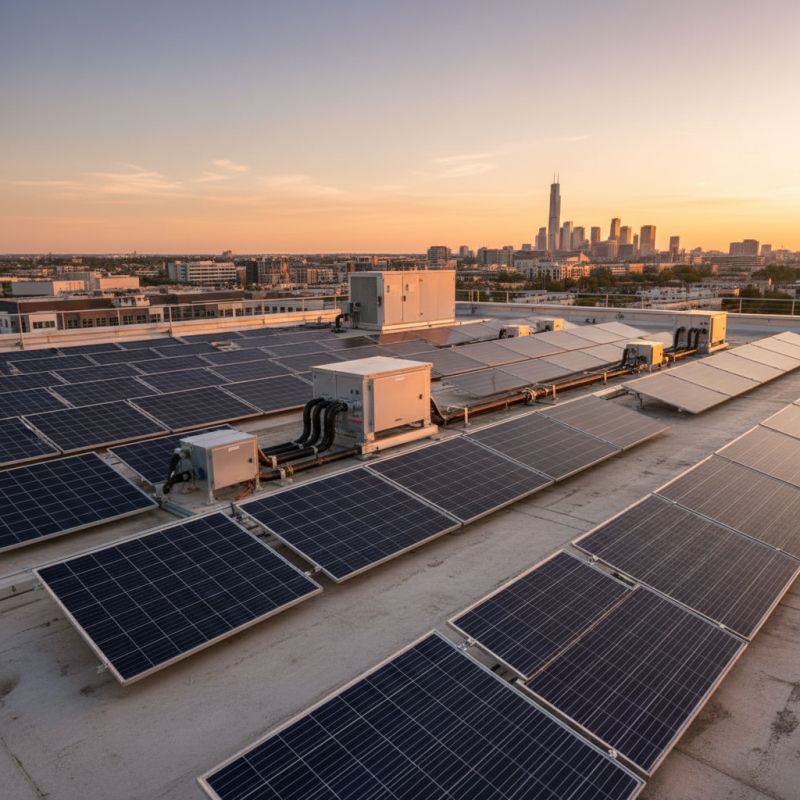
How to Select the Right Solar Inverter for Commercial Projects?

Understanding Different Types of Solar Inverters for Commercial Use

When choosing a solar inverter for commercial projects, it's crucial to understand the different types available. Solar inverters mainly fall into three categories: string inverters, microinverters, and central inverters. Each type has unique features suited for specific applications. According to the Solar Energy Industries Association, 60% of commercial installations utilize string inverters due to their cost-effectiveness. These inverters are easy to install and manage but may struggle with shading issues.

Microinverters offer higher efficiency, especially in installations with varying sunlight exposure. They optimize energy production on a panel-by-panel basis, which can ensure maximum output. The market for microinverters is growing, showing a 25% increase in demand over the last few years. However, they can be more expensive upfront, which may deter some projects.

Central inverters are ideal for large-scale operations. They are commonly used in utility-scale solar farms. While they can provide significant power output, they also present challenges. For instance, a failure in a central inverter can lead to extensive downtime. According to recent reports, ensuring reliability is critical as downtime can reduce ROI significantly. It’s important to weigh these factors carefully when selecting the right inverter for your commercial solar needs.

Key Performance Metrics for Evaluating Solar Inverters in Projects

Selecting the right solar inverter for commercial projects hinges on a few critical performance metrics. Efficiency is paramount, with high-quality inverters boasting efficiencies between 95% to 98%. A recent report from the National Renewable Energy Laboratory highlighted that even a 1% increase in inverter efficiency can significantly boost overall system performance.

Reliability is another essential factor. Look for inverters that have undergone rigorous testing. Many inverters now come with warranties ranging from 5 to 12 years. Yet, it’s crucial to assess how they perform under stress conditions like extreme temperatures. Studies show that extreme heat can reduce inverter lifespan by 20%. Consider data from the Solar Energy Industries Association, which found that poor inverter reliability is a common issue that leads to increased long-term costs.

Monitoring capabilities also play a vital role. Inverters with smart monitoring systems can provide real-time data. This feature helps in early detection of issues and optimizing performance. As systems grow in complexity, effective monitoring becomes essential. As reported by Greentech Media, about 20% of energy losses in solar installations can be traced back to inverter-related issues. Investing in a quality inverter can lead to smoother operations and lower maintenance events.

Assessing Efficiency Ratings: What to Look for in Solar Inverters

Selecting the right solar inverter for commercial projects is crucial. Efficiency ratings play a significant role in this decision. A solar inverter's efficiency can significantly impact the energy harvested from solar panels. Most high-quality inverters have efficiencies ranging from 95% to 99%. Higher efficiency means more energy conversion and less energy loss, benefiting your bottom line.

When assessing efficiency, consider the European Weighted Efficiency (EURO) rating. This rating reflects real-world performance, accounting for varied conditions. Reports from the National Renewable Energy Laboratory indicate that inverters with higher EURO ratings perform better under partial loads. Many inverters show notable drops in performance during cloudy weather or partial shading.

Thermal performance also matters. A study published by the Solar Energy Research Institute highlights that inverters operate less efficiently as temperatures rise. Ensure the model can handle your local climate. The long-term reliability of an inverter affects your investment. Look for products with robust warranties and proven track records. The inverter is often the ‘brain’ of your solar system; choosing wisely can enhance your project's success.

How to Select the Right Solar Inverter for Commercial Projects? - Assessing Efficiency Ratings: What to Look for in Solar Inverters

Efficiency Rating (%) PV Array Size (kW) Weight (kg) Warranty Period (Years) Monitoring Capabilities
95 50 35 10 Yes
97 75 40 15 Yes
94 100 50 12 No
96 60 30 8 Yes

Cost Analysis: Initial Investment vs. Long-term Savings with Inverters

When selecting a solar inverter for commercial projects, cost is a key factor. Initial investment is often daunting. However, it’s essential to weigh this against long-term savings. A high-quality inverter may demand a higher upfront cost but can lead to substantial energy savings over time. Research shows that businesses can save significantly on electricity bills, making the initial expense worthwhile.

Tips for mitigating costs include evaluating your energy needs carefully. Conduct an energy audit to understand your consumption patterns. This will help in selecting an appropriately sized inverter.
Also, consider the inverter's efficiency ratings. Higher efficiency means more energy conversion, translating to better savings. When you opt for a slightly more expensive but efficient inverter, the savings often accumulate quickly.

Don't overlook maintenance costs either. Cheaper inverters might save you money upfront but can lead to higher repair costs later. Reliability is crucial for long-term performance. Investing in quality now can prevent costly issues down the line. Reflect on your choices and think long-term. Consider how your current decision impacts future savings and functionality. Each aspect matters in optimizing your solar investment.

Compliance and Certifications: Ensuring Inverters Meet Industry Standards

Choosing the right solar inverter for commercial projects requires careful consideration of compliance and certifications. Inverters must meet relevant industry standards to ensure their reliability and efficiency. Different regions have various requirements, so it’s essential to stay updated on local regulations.


Tips: Always check if the inverter is certified by recognized organizations. Look for certifications like UL, IEC, or CE. These labels indicate that the inverter has undergone rigorous testing and meets safety standards.


While certifications are critical, it's also vital to consider the manufacturer's reputation. Researching past performance and user reviews can provide insights into the long-term reliability of a solar inverter. Sometimes, even certified products may have hidden issues. Gather as much information as possible before making a decision.


Tips: Consult industry experts to gain deeper insights. Networking with professionals can offer firsthand experiences about specific inverters. This can help prevent potential pitfalls in your selection process.

FAQS

: What are the main types of solar inverters available for commercial use?

: The main types are string inverters, microinverters, and central inverters. Each type has unique features.

Why do most commercial installations prefer string inverters?

String inverters are cost-effective, easy to install, and manage. However, they can face shading issues.

How do microinverters differ from string inverters?

Microinverters optimize energy production for each panel. They are efficient but can have higher upfront costs.

What is the ideal usage scenario for central inverters?

Central inverters are best for large-scale operations, like utility-scale solar farms. They can provide significant power output.

What should businesses consider regarding the costs of inverters?

Companies should weigh initial investments against long-term savings. Higher-quality inverters may cost more initially but save money over time.

How can businesses mitigate the overall costs associated with solar inverters?

Conduct an energy audit to understand consumption patterns. This helps in selecting the right inverter size and efficiency.

Are maintenance costs important to consider when choosing an inverter?

Yes, maintenance costs can impact overall savings. Cheaper inverters might lead to higher repair expenses later.

What should one reflect on when making a decision about solar inverters?

Consider how your choice impacts future savings and functionality. Each decision you make matters for your investment.

What factor can significantly reduce ROI in solar systems?

Downtime due to inverter failures can greatly lower return on investment. Reliability is essential for performance.

Why is it sometimes worth investing in a more expensive inverter?

A more efficient inverter can provide better energy conversion. This leads to quicker savings that outweigh initial costs.

Conclusion

In "How to Select the Right Solar Inverter for Commercial Projects," the article emphasizes the importance of understanding the different types of solar inverters available for commercial use. It highlights key performance metrics that should be evaluated when considering solar inverters, such as efficiency ratings, which are crucial for maximizing energy output. The article further discusses the significance of conducting a cost analysis, weighing initial investment against long-term savings, to ensure optimal financial returns on solar projects.

Additionally, it stresses the importance of compliance and certifications, ensuring that selected inverters meet industry standards. Through this comprehensive approach, readers will gain valuable insights on how to choose solar inverters for commercial solar projects, ultimately contributing to the success and sustainability of their energy investments.

Henry

Henry

Henry is a dedicated marketing professional with a profound expertise in the company's offerings. With years of experience in the industry, he possesses an impressive understanding of the market dynamics and consumer behaviors that drive success. Henry is committed to sharing his insights through......