The effectiveness of solar energy relies heavily on the efficiency of solar panels. However, dirt, dust, and grime can cover solar panels, severely impacting their performance. Studies show that uncleaned panels can lose up to 25% of their energy output. This raises a critical question: How does solar panel cleaning improve energy output?
Regular cleaning can enhance energy generation significantly. According to the National Renewable Energy Laboratory, clean panels can capture up to 30% more sunlight. This improvement translates into higher returns on investment for solar users. It is essential to consider that regional factors, such as climatic conditions, influence cleaning needs. In drier climates, for example, dust accumulation is more pronounced. Neglecting maintenance can lead to a decline in energy efficiency over time.
Utilizing various cleaning methods also plays a role in optimizing performance. A study by the Solar Energy Industries Association indicates that proper cleaning techniques reduce wear on panels. However, there is still a need for further research to determine the most effective practices. Overall, effective solar panel cleaning directly correlates with energy output, making it a vital aspect of solar energy management.
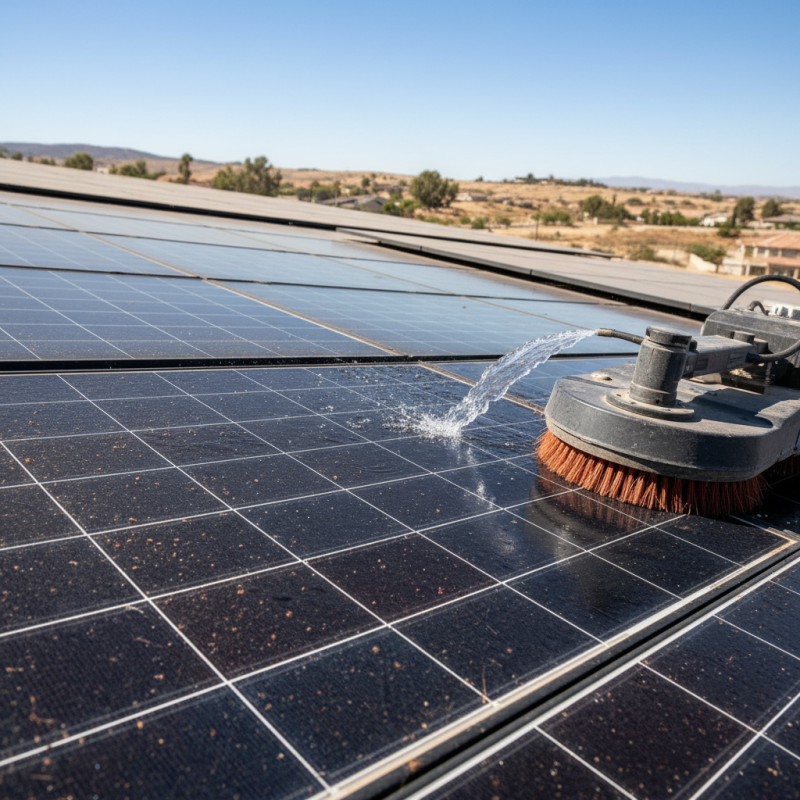
Regular cleaning of solar panels significantly enhances their performance. Dust, dirt, and bird droppings accumulate over time. These contaminants can block sunlight, reducing energy production. For optimal energy output, invest time in cleaning your solar panels frequently.
Consider using a soft brush and mild detergent. This method won’t damage the panels. Avoid high-pressure washing, as it may lead to fractures. Clean during cooler times of the day. This will prevent rapid evaporation of water, making cleaning more efficient. Remember, water spots can reduce light absorption.
Monitor the condition of your panels. Check for signs of wear or potential damage. Regular inspection allows for early detection of issues. Seek professional help when needed. Over time, neglecting maintenance could lead to lower energy yields. Taking the time for proper care is essential for maximizing the benefits of your solar system.
Dirt and debris on solar panels can significantly hinder energy output. Studies reveal that unclean panels can lose up to 25% of their efficiency. Dust, leaves, and bird droppings create a layer of obstruction. This reduces the panels' ability to absorb sunlight effectively. In arid and semi-arid regions, the issue worsens due to frequent dust storms. For example, in some desert areas, solar panels can experience a 40% loss in energy generation.
Regular cleaning is crucial for maintaining optimal solar efficiency. A report by the National Renewable Energy Laboratory highlights that just a biannual cleaning can enhance energy production by 15% to 30%. This statistic underlines the importance of proactive maintenance. Ignoring cleanliness may lead to mounting inefficiencies over time. Proper cleaning methods can vary based on the type of debris and regional conditions. Each environment poses unique challenges, raising thoughtful considerations on effective cleaning strategies.
Operators need to reflect on their cleaning practices. Are they adapting to local conditions? Are they using the best techniques available? Flaws in regular maintenance routines can lead to significant energy losses. Understanding the direct correlation between cleanliness and energy output allows for informed decision-making. The data emphasizes a basic, yet often overlooked truth: clean panels generate more energy.
| Condition | Average Energy Output (%) | Estimated Loss Due to Dirt (%) | Frequency of Cleaning (Months) |
|---|---|---|---|
| Clean Panels | 90% | N/A | 6 |
| Moderately Dirty | 75% | 15% | 12 |
| Very Dirty | 50% | 44% | 24 |
| Heavily Contaminated | 30% | 66% | 36 |
Regular solar panel cleaning is essential for maintaining energy efficiency. Dust, dirt, and grime can accumulate on the surface, significantly reducing their output. For optimal performance, adopting best practices in cleaning is crucial.
One technique involves using a soft brush or sponge with mild soap and water. This method is gentle yet effective. Avoid harsh chemicals that could damage the panels. For areas with heavy build-up, consider using a pressure washer, but keep the pressure low. Aim for a distance of 3-4 feet to prevent damage.
Tips: Always clean your panels early in the morning or late in the evening to avoid overheating. A quick rinse with water can remove light dust. For tougher spots, a mixture of vinegar and water can work well.
Using the right tools will make a difference. A telescoping pole with a brush attachment enables you to reach panels on rooftops easily. A squeegee can help eliminate streaks after rinsing. Regular inspections, while cleaning, can spot possible issues early. Checking for cracks or loose connections ensures long-term functionality.
Maintaining solar panels is crucial for optimizing energy output. Studies show that dirty panels can lose up to 25% of their efficiency. A cost-benefit analysis of cleaning frequency reveals that regular maintenance can significantly enhance energy production. For instance, cleaning panels every 6 months rather than once a year can result in an energy output increase of 10-20%. This increase often justifies the cleaning costs.
However, the decision on cleaning frequency must consider various factors. Local weather conditions play a role, as dust, pollen, and pollutants affect panel efficiency. In arid regions, more frequent cleaning may be necessary. Conversely, panels in cleaner environments may not need as much maintenance. A 2022 industry report states that organizations that implement proactive cleaning schedules see better long-term ROI than those who wait until significant efficiency drops.
Tip: Always inspect your panels after a storm or heavy winds. Dirt and debris can accumulate, reducing output. If you’re unsure, consult with a solar energy professional to evaluate your specific needs. Regular cleaning not only boosts efficiency but also prolongs the lifespan of your solar system.
Solar panel efficiency heavily depends on cleanliness. Dust, debris, and bird droppings can accumulate over time. This buildup reduces light absorption, significantly lowering output. Case studies reveal striking improvements after cleaning. In one instance, a solar farm recorded a 25% boost in energy production after a thorough wash. Operators were astonished by the immediate results. They hadn’t anticipated such a drastic change from a simple cleaning process.
Another project involved residential panels. A homeowner noticed a gradual decline in performance. After cleaning, energy output increased by 30%. This motivated them to maintain regular cleaning schedules. It’s easy to overlook this maintenance step. Yet, the evidence in these case studies is clear. Performing regular cleanings can be a game-changer, especially in dusty environments.
However, there is room for improvement in cleaning methods. The industry lacks standardization in cleaning techniques. Different techniques may yield varying results. Some methods may even risk damaging the panels. Reflecting on these challenges can lead to better practices in the future. A proactive approach to cleaning could ensure maximum efficiency for solar installations.
: Dirt can reduce energy output by up to 25%. This obstruction lowers the panels' sunlight absorption.
Cleaning every six months is recommended. This can increase energy output by 10-20%.
Use a soft brush or sponge with mild soap and water. Avoid harsh chemicals that may damage panels.
Ignoring cleanliness can lead to mounting inefficiencies. Regular maintenance helps sustain energy production.
Yes, arid areas may need more frequent cleaning due to dust accumulation. Different environments require different approaches.
A telescoping pole with a brush and a squeegee are useful. These help make cleaning easier and more effective.
Early mornings or late evenings are ideal. This timing helps avoid overheating during the process.
Inspect solar panels after storms. Dirt and debris might collect, affecting overall output.
Maintain a distance of 3-4 feet while using a pressure washer on low settings to prevent damage.
Consider local weather conditions, panel location, and dust accumulation. These factors impact cleaning needs significantly.
Regular cleaning of solar panels is essential for maintaining their optimal performance and maximizing energy output. The accumulation of dirt and debris can significantly hinder solar efficiency, leading to a drop in energy production. Key statistics indicate that unclean panels can lose up to 25% of their efficiency. Understanding how solar panel cleaning improves energy output is crucial for solar panel owners, as it directly correlates to enhanced performance and returns on investment.
Best practices for effective solar panel cleaning include using appropriate techniques and tools to avoid damage while ensuring a thorough cleanse. A cost-benefit analysis suggests that the frequency of cleaning should align with the local environment and weather conditions, ultimately resulting in a substantial increase in energy output. Case studies illustrate real-world examples where proper maintenance has led to remarkable performance improvements, underscoring the importance of regular solar panel cleaning.

Stuart Solar