Solar panels harness sunlight to generate energy. However, their efficiency can be compromised by dirt and debris. Regular cleaning is crucial. Why is solar panel cleaning important for energy production? The answer lies in maximizing the panels' ability to absorb sunlight. Dust, leaves, and bird droppings can form a barrier, hindering sunlight exposure.
Neglecting this aspect can lead to reduced output. Studies have shown that dirty panels can lose 20% or more of their efficiency. In regions with frequent dust storms or heavy rainfall, the need for periodic cleaning becomes even more pressing. A simple cleaning routine can restore energy production levels.
Understanding the importance of cleaning is vital. Professionals recommend cleaning at least twice a year. Owners often underestimate the impact of a dirty panel. Small investments in maintenance can lead to significant returns. An efficient system not only saves money but also aids in preserving environmental resources.
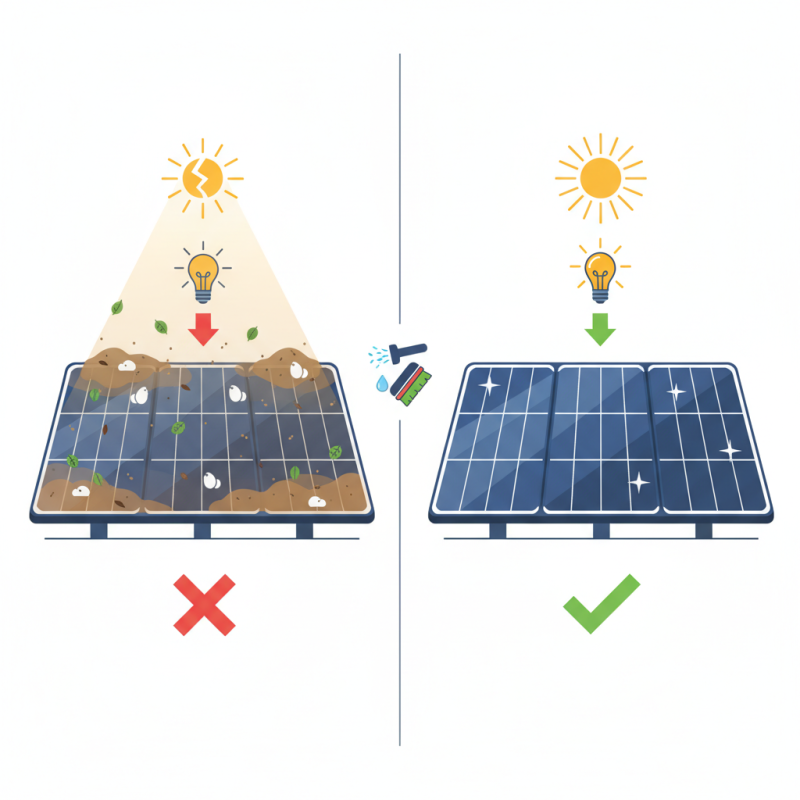
Solar panels are powerful tools for renewable energy.
However, their efficiency can drop significantly if they are not clean. Dust, dirt, and bird droppings
can cover solar panels, blocking sunlight. According to recent studies, dirty solar panels can experience a 20% decrease in energy output.
This means less electricity produced and more money lost.
Efficient energy conversion relies on unobstructed sunlight. A study published in the
Renewable Energy Journal shows that regular cleaning can increase energy production by up to
25%. In many cases, a simple washing can restore optimal functionality.
Different climates can affect how often panels need cleaning. For instance, urban areas might need monthly cleaning due to higher pollution levels.
Tips for maintaining clean solar panels include:
Solar panels are efficient energy producers, but their performance can be compromised by various contaminants.
Dust, dirt, and bird droppings are common issues. Even a thin layer of grime can reduce energy output significantly. Regular cleaning helps prevent these problems.
Pollution can create sticky residues on the panel's surface. This makes it harder for sunlight to penetrate. Additionally, leaves and tree sap can block sunlight. In some regions, snow can also accumulate, especially in winter.
It’s not just about dirt; environmental factors play a big role in solar efficiency.
The process of cleaning solar panels should be approached with care. Over-aggressive cleaning tools can scratch the surface. Using harsh chemicals may damage the panels too.
The goal is to keep solar panels clean without inflicting harm. Understanding the right cleaning techniques is essential for maintaining optimal performance.
Cleaning solar panels regularly is crucial for optimal energy production. Dust, dirt, and debris accumulate over time. These obstruct sunlight, reducing the panels' efficiency. Studies show that unclean panels can lose up to 20% of their energy output. In regions with heavy pollution or agriculture, this drop in efficiency can be even more significant.
Typically, solar panel cleaning should occur every six months. However, in areas with dust storms or nearby construction, more frequent cleaning may be necessary. Methods vary, from simple rinsing with water to using specialized cleaning solutions. Soft brushes or microfiber cloths are recommended to avoid scratches. Some experts suggest using deionized water to prevent mineral deposits.
Many homeowners overlook proper care. This neglect can lead to increased maintenance costs. A basic understanding of solar panels' needs boosts lifetime performance. Moreover, periodic cleaning can enhance the aesthetic appeal of solar installations. Investing in regular cleaning services can be a wise choice for maintaining peak performance. Balancing cost and efficiency should be a priority for all solar panel owners.
| Cleaning Frequency | Method | Estimated Energy Gain (%) | Recommended Season |
|---|---|---|---|
| Monthly | Manual Cleaning | 15-25% | Spring |
| Quarterly | Pressure Washing | 10-20% | Summer |
| Bi-Annually | Automated Cleaning System | 8-15% | Fall |
| Annually | DIY Cleaning Kit | 5-10% | Winter |
Regular maintenance is crucial for solar energy systems. Dust, grime, and debris can accumulate on solar panels, reducing their efficiency by up to 25%. According to industry studies, panels that are not cleaned regularly may underperform significantly. Even a thin layer of dirt can block sunlight and hinder energy production.
Periodic cleaning can restore optimal efficiency. Many solar panel manufacturers recommend cleaning every six months. This routine maintenance maximizes output and ensures longevity. A report from the National Renewable Energy Laboratory states that well-maintained solar systems can achieve a higher return on investment. It becomes clear that neglecting maintenance could result in substantial energy loss over time.
In some cases, the cost of cleaning may seem like an unnecessary expense. However, the potential energy savings can surpass initial cleaning costs. Homeowners and businesses should weigh these factors seriously. Monitoring performance and maintaining cleanliness can result in better yield from solar investments.
Solar panel cleaning is often overlooked but crucial in boosting energy efficiency. A study by the National Renewable Energy Laboratory (NREL) highlighted that dirty panels can reduce electricity output by up to 25%. Dust, grime, and bird droppings accumulate over time. This buildup hampers the sunlight absorption ability of solar cells. Regular cleaning is not just a maintenance task; it's a necessary investment.
The cost-effectiveness of cleaning practices cannot be ignored. According to a report by Clean Energy Authority, maintaining clean solar panels can yield up to $100 more in annual energy production per installation. Those figures add up, especially for larger solar arrays. While cleaning services come with a price, the return on that investment can be substantial. However, many system owners struggle with the frequency and method of cleaning. Using water can be inefficient in arid regions or during droughts.
Investing in automated cleaning systems presents another option. These systems can operate with minimal water. They also save time, yet initial costs can be high. It’s essential to weigh benefits against financial implications while considering efficiency. Understanding the balance between maintenance costs and energy production is critical for maximizing the benefits of solar energy.
Regular cleaning of solar panels is essential for maintaining their energy production efficiency. This chart illustrates the significant increase in energy production observed after cleaning compared to before cleaning, highlighting the cost-effectiveness of implementing regular cleaning practices.
: Clean solar panels ensure efficient energy conversion. Dirt and grime can significantly reduce their energy output.
Studies show dirty solar panels may experience a 20% decrease in energy production.
Generally, solar panels should be cleaned every six months. More frequent cleaning may be needed in polluted areas.
Dust, dirt, bird droppings, and even leaves can block sunlight and reduce efficiency.
Use soft brushes or microfiber cloths. Rinsing with water is also effective for gentle cleaning.
Yes, heavy pollution, dust storms, or snow can require more frequent cleaning to maintain efficiency.
No, harsh chemicals and aggressive tools can damage the panels. Aim for gentle cleaning techniques.
Neglect can lead to significant efficiency losses and increased maintenance costs over time.
Clean panels early in the morning or late in the afternoon to avoid damage from extreme heat.
Regular cleaning not only boosts performance but also improves the aesthetic appeal of solar installations.
Regular cleaning of solar panels is crucial for optimizing energy production. Dust, dirt, bird droppings, and other contaminants can significantly hinder the efficiency of solar panels by blocking sunlight and reducing their ability to convert solar energy into electricity. This leads to diminished energy output, making it vital to understand why solar panel cleaning is important for energy production.
Implementing a consistent cleaning routine and utilizing appropriate cleaning methods can ensure that solar panels maintain their peak performance. Furthermore, regular maintenance not only boosts energy efficiency but also prolongs the lifespan of the solar system, proving to be cost-effective in the long run. By investing in solar panel cleaning, users can maximize their energy production and enjoy the full benefits of their solar energy systems.

Stuart Solar