Cleaning solar panels is essential for maintaining their efficiency. However, it requires caution to avoid damage. According to solar energy expert Dr. Anna Reed, "Proper cleaning methods ensure your panels perform at their best." Understanding how to clean solar panels safely without damaging them can make a significant difference.
Many homeowners overlook the importance of regular maintenance. Dust, dirt, and bird droppings can accumulate quickly, reducing energy output. Choosing the wrong cleaning tools or techniques can lead to scratches or other damage. For instance, using abrasive materials is a common mistake.
Experts recommend using soft brushes or squeegees and gentle soap solutions. It's vital to clean panels early in the morning or late in the afternoon. This prevents streaks caused by the sun’s heat. Additionally, always ensure safety by using ladders or harnesses when accessing roof panels. Remember, a little care can go a long way in extending the lifespan of your solar system.
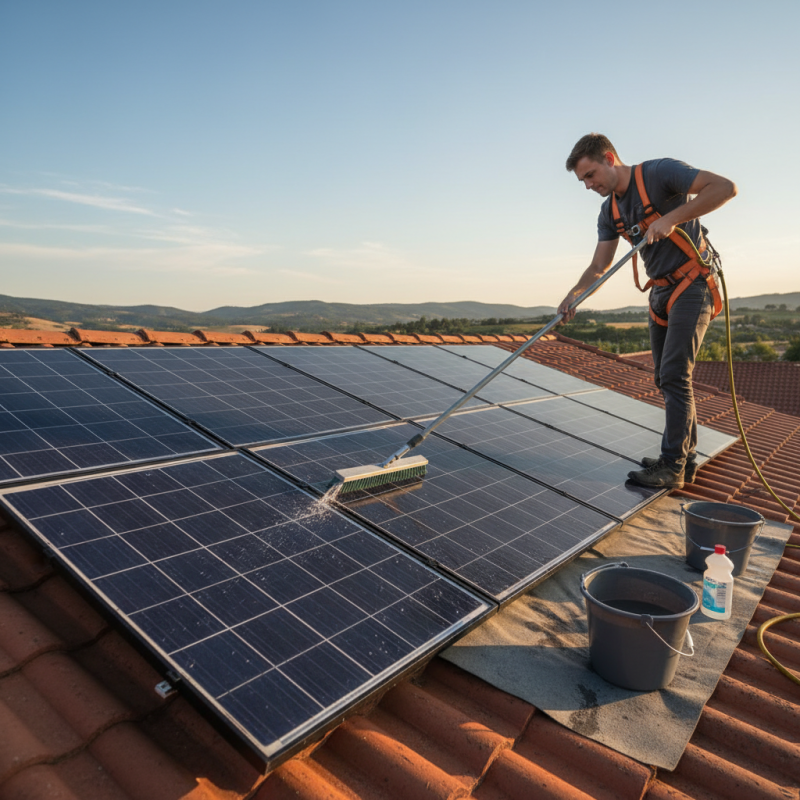
Cleaning solar panels requires careful attention to safety to avoid damage. When approaching your panels, always wear slip-resistant shoes. Wet surfaces can be slippery. It's important to assess the height and stability of the area where the panels are installed. If you feel uncertain, consider hiring a professional.
Use a soft brush or sponge with a gentle cleaning solution. Harsh chemicals can degrade the solar panel's surface. Avoid abrasive materials that can scratch the glass. Working during cooler times of day is best, as high temperatures can cause cleaning solutions to dry too quickly, leaving streaks behind. Rinse panels thoroughly with water. This ensures all residues are removed.
Ensure your ladder is stable and positioned securely. A partner can help keep you steady. Think about the potential for wind when cleaning. Strong gusts can lead to accidents. Reducing risks and taking time to plan can make the process safer and more effective. Remember, sometimes less is more when it comes to cleaning methods.
| Tip Number | Cleaning Tip | Recommended Tools | Frequency |
|---|---|---|---|
| 1 | Turn Off the System | N/A | Before Cleaning |
| 2 | Use Soft Brushes | Soft-bristled Brush | Monthly |
| 3 | Avoid High-Pressure Washers | N/A | N/A |
| 4 | Use Deionized Water | Deionized Water container | Quarterly |
| 5 | Clean During Cooler Times | N/A | As Needed |
| 6 | Inspect for Damage | N/A | Each Cleaning |
| 7 | Avoid Abrasive Cleaners | N/A | N/A |
| 8 | Schedule Professional Cleanings | Professional Service | Annually |
| 9 | Watch for Electrical Hazards | N/A | Each Cleaning |
| 10 | Follow Manufacturer Guidelines | N/A | Always |
: Wear slip-resistant shoes and assess the area’s stability. Stability is crucial to prevent accidents.
Use a soft brush or sponge. Avoid harsh bristles and abrasive materials that can scratch the glass.
A mild detergent mixed with lukewarm water is ideal. Avoid excess soap to prevent residue on the panels.
Choose cooler days, preferably cloudy ones. This prevents the cleaning solution from drying too quickly.
Test your cleaning method on a small area first. Adjust your approach based on what works best for your panels.
Cleaning with a partner is safer. They can help stabilize the ladder and assist you during the process.
Regular inspections and cleaning prevent dirt accumulation. Check for visible wear to avoid future issues.
Yes, harsh chemicals can degrade the panel’s surface. Always opt for gentle and safe cleaning solutions.
Rinsing removes all residues. This helps maintain their efficiency and prevents streaking on the surface.
Consider how different cleaning methods impact performance. Adapting your approach can lead to better results over time.
Cleaning solar panels is essential for optimal performance, but it must be done carefully to avoid damage. In the article "10 Tips for Safely Cleaning Solar Panels Without Damage," several best practices are highlighted. First, understanding the materials of solar panels is crucial, as different types may have specific cleaning needs. Selecting the right tools and cleaning solutions is also emphasized to ensure effective and safe maintenance.
A step-by-step approach is outlined to guide readers on how to clean solar panels safely without damaging them. This includes avoiding common mistakes, such as using abrasive materials or cleaning during peak sunlight hours, which can lead to damage. By following these guidelines, solar panel owners can maintain their systems' efficiency and longevity while ensuring safety during the cleaning process.

 Stuart Solar