The efficiency of photovoltaic solar panels is a critical factor in renewable energy systems today. As global energy demands rise, understanding what factors affect the efficiency of photovoltaic solar panels becomes essential. Industry reports indicate that solar panel efficiency can vary significantly, with leading manufacturers achieving efficiencies upwards of 22%, while many standard panels hover around 15%. This gap highlights the importance of various contributing elements.
Solar irradiance, temperature, and panel orientation play pivotal roles. For instance, research shows that solar panels can lose up to 10% efficiency if operating in high temperatures. Material composition also matters. Crystalline silicon remains the industry standard, but emerging technologies with perovskite materials show promise for higher efficiency. Besides these, installation quality and maintenance cannot be overlooked. Poor installation may result in shading and dirt accumulation, both of which diminish performance.
In light of these factors, it is clear that maximizing solar panel efficiency requires a comprehensive understanding of both technological and environmental influences. Hence, it is vital for consumers and stakeholders to grasp not only the benefits but also the limitations inherent in photovoltaic systems. Only through this awareness can we hope to advance our solar energy initiatives effectively.
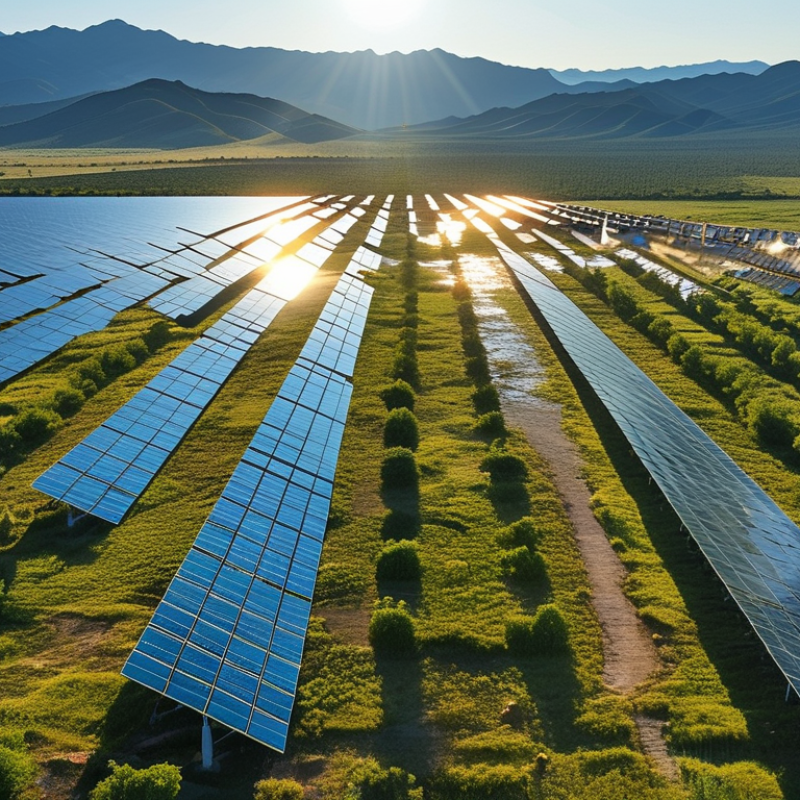
Photovoltaic solar panels are essential for harnessing solar energy. There are several types of panels, each with distinct efficiency levels. Monocrystalline panels are known for their high efficiency, often exceeding 20%. They are made from a single crystal structure, which allows for efficient electron movement. This results in higher energy output in smaller spaces. However, they tend to be more expensive.
Polycrystalline panels are another option. They are made from multiple crystal structures, which makes them less efficient than monocrystalline panels, typically around 15-17%. Despite lower efficiency, they offer a more affordable price point. Thin-film panels, while less common, are lightweight and flexible. Their efficiency can be between 10-12%, but their adaptability makes them suitable for specific installations.
Each type of panel presents its own challenges. Monocrystalline panels require more resources during manufacturing, raising sustainability concerns. Polycrystalline panels might not perform as well in low-light conditions. Thin-film panels can take up more space for the same energy output. These details highlight the importance of selection based on specific needs and conditions.
| Factor | Description | Impact on Efficiency (%) |
|---|---|---|
| Temperature | Higher temperatures can reduce the efficiency of solar panels. | -10 to -20 |
| Angle of Incidence | The angle at which sunlight strikes the panel affects absorption. | 0 to 30 |
| Shading | Shadows from trees or buildings can significantly lower output. | -50 to -100 |
| Panel Quality | Higher quality materials and construction lead to better efficiency. | 5 to 10 |
| Inverter Efficiency | The efficiency of the inverter converting DC to AC affects total output. | -5 to -15 |
| Maintenance | Regular cleaning and maintenance keep panels performing well. | -5 to 10 |
| Environmental Factors | Dust, pollution, and weather conditions can affect performance. | -10 to 20 |
| Type of Solar Cell | Different types of cells (monocrystalline, polycrystalline, thin-film) vary in efficiency. | 15 to 25 |
| Installation | Proper installation and alignment maximize sunlight exposure. | -5 to 15 |
| Age of Solar Panels | Older panels may degrade and become less efficient over time. | -5 to -15 |
: The main types are monocrystalline, polycrystalline, and thin-film panels. Each has unique efficiency levels.
Monocrystalline panels are highly efficient, often exceeding 20%. They excel in energy output in smaller spaces.
Yes, but they are less efficient than monocrystalline panels, typically around 15-17%. They are more affordable.
Thin-film panels are lightweight and flexible. Their efficiency ranges between 10-12%, suitable for specific installations.
High solar irradiance levels improve energy production. Panels perform best in direct sunlight and can falter in shade.
Place panels in open areas and regularly clean surfaces. This helps enhance productivity significantly.
Yes, excessive heat can lower efficiency. Panels generally perform better in cooler temperatures.
Use passive cooling systems and ensure good airflow around installations. This maintains optimal performance.
Observing solar irradiance and temperature helps optimize energy output. Flexibility can enhance the benefits of your setup.
Monocrystalline panels need more resources. Polycrystalline panels may struggle in low light, while thin-film requires more space.
The efficiency of photovoltaic solar panels is influenced by several key factors that are crucial for optimizing energy output. Understanding what factors affect the efficiency of photovoltaic solar panels begins with recognizing the different types of solar panels available, each having distinct efficiency levels. Additionally, solar irradiance plays a significant role, as higher levels of sunlight directly enhance panel performance.
Temperature is another critical factor; extreme heat can reduce efficiency, while optimal operating temperatures can improve it. Moreover, the orientation and tilt angle of the panels significantly affect their ability to capture sunlight throughout the day. Finally, shading from nearby structures and environmental elements can drastically impact energy output, highlighting the importance of careful installation and positioning in solar panel effectiveness.

 Stuart Solar