How Weather Impacts Solar Panel Efficiency and Maintenance Needs?

Time:2026-06-22 Author:Aria
0%

Understanding how weather affects solar panel efficiency and cleaning needs is crucial for maximizing solar energy production. Solar panels function optimally under specific conditions. However, fluctuations in weather can impact their performance significantly. For instance, heavy rains can wash away dirt and debris, reducing the need for cleaning. On the other hand, dust storms or long periods of dry weather may cause accumulation on panels.

Temperature plays a major role as well. Excessive heat can decrease the efficiency of solar cells. In contrast, cooler environments may enhance their performance. Moreover, cloudy days can lower energy generation, but innovative technologies are improving energy capture under suboptimal conditions. Analyzing these factors is essential for homeowners and businesses to maintain solar systems effectively.

In evaluating this topic, it's important to consider local weather patterns. Some regions may require frequent cleaning, while others benefit from natural washing. Understanding how does weather affect solar panel efficiency and cleaning needs allows for better planning and maintenance strategies. Adaptation and ongoing assessment are key components in ensuring longevity and functionality of solar installations.
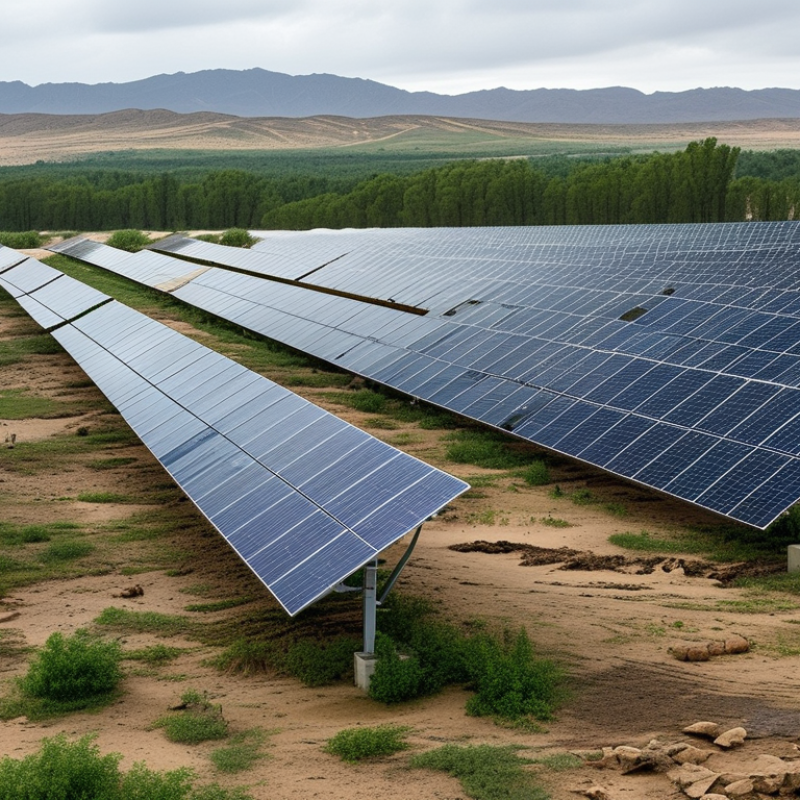
How Weather Impacts Solar Panel Efficiency and Maintenance Needs?

Impact of Temperature on Solar Panel Performance

Temperature plays a crucial role in the efficiency of solar panels. Generally, as temperatures increase, the performance of solar panels declines. High heat can lead to a drop in voltage output. This drop means less electricity production. For instance, a panel operating at 80°F may produce significantly less energy than the same unit at 25°F. In regions with consistently high temperatures, this can be a challenge for solar energy systems.

Additionally, the maintenance needs for solar panels can vary with temperature fluctuations. Extreme heat can affect the materials used in solar panels. It may lead to faster aging of components, necessitating more frequent checks for wear and tear. Some panels may warp or lose efficiency due to heat stress. This requires vigilance from homeowners and businesses alike. Regular maintenance is essential, yet many overlook this aspect, leading to decreased performance over time.

Investing in cooling solutions or proper panel placement can mitigate some of these effects. Proper orientation helps to reduce heat absorption. It’s important to weigh the long-term benefits against initial costs. Regularly monitoring temperature variations can also help optimize performance. Adapting to these fluctuations is crucial for maximizing solar energy effectiveness.

Effects of Cloud Cover and Weather Conditions on Energy Output

Weather plays a crucial role in the efficiency of solar panels. Cloud cover significantly affects how much sunlight reaches the panels. On cloudy days, the intensity of sunlight decreases, resulting in lower energy output. This can be frustrating for users who depend on solar energy for their daily needs. Persistent overcast days can lead to underperformance and prompt users to rethink their energy strategies.

Rain and snow also impact solar panel maintenance needs. While rain can wash away dust and debris, heavy snow can block sunlight entirely. Accumulation of snow on panels needs to be monitored closely. If not managed properly, it can lead to reduced efficiency. It is vital to assess weather forecasts regularly to adjust maintenance practices accordingly.

Tips:
- Regularly clean your solar panels for optimal performance.
- After heavy snowfall, consider gently removing snow to ensure continued energy output.
- Monitor cloud cover predictions to plan for energy usage effectively.

Influence of Rain and Snow on Solar Panel Cleaning and Maintenance

Rain and snow significantly influence solar panel maintenance. Rain can be a natural cleaning agent. It washes away dust and debris, improving efficiency. However, heavy rains can leave residues behind, especially in cases of sediment buildup. Snow poses a more complex issue. While it can insulate solar panels, heavy snow accumulation blocks sunlight entirely. This blockage can lead to a significant drop in energy production.

Cleaning solar panels during winter can be challenging. Carefully removing snow without scratching the surface requires expertise. Use a soft brush or foam squeegee. Rushing this process can cause damage. Improper maintenance may reduce a panel's lifespan. If left unaddressed, dirt and snow build-up can decrease efficiency by up to 20%.

In areas with frequent rain or snow, scheduling maintenance becomes essential. Regular inspections can prevent long-term damage. Consider the cost of hiring professionals when it becomes overwhelming. Balancing efficiency with proper care should always be prioritized. Each weather condition presents unique challenges for solar panel owners. Understanding these can enhance performance and durability over time.

Impact of Weather on Solar Panel Efficiency and Maintenance Needs

This chart displays the average efficiency drop of solar panels and the frequency of maintenance requirements due to varying weather conditions such as rain and snow over a year.

Wind and Storm Effects on Solar Panel Durability and Installation

Extreme weather conditions, such as high winds and storms, can significantly affect the durability of solar panels. According to the National Renewable Energy Laboratory (NREL), solar panels are designed to withstand wind speeds of up to 140 mph. However, panels installed in areas prone to severe storms need extra reinforcement. Many installations may not meet this requirement, risking damage during storms.

Wind can cause physical stress on not only the panels but also their mounting systems. Studies show that gusty winds can create lift forces that lead to structural failure. Additionally, debris carried by wind can scratch or crack panels, reducing their efficiency. Regular inspections after storms are crucial. Neglecting this can result in undetected damage, which accumulates over time.

Moreover, installation plays a key role in resilience. A poorly executed setup can lead to future maintenance headaches. Research from the Solar Energy Industries Association (SEIA) suggests that panels installed at inappropriate angles face greater risk from storm impacts. Properly assessing local weather conditions during installation can mitigate these risks. Ignoring these factors may lead to costly repairs and reduced energy output.

Seasonal Variations in Solar Energy Production and Maintenance Needs

Seasonal changes significantly influence solar energy production. In summer, longer days and abundant sunshine increase panel efficiency. However, high temperatures can also decrease performance. Conversely, winter brings shorter days and lower sunlight availability, reducing energy yield. Snow accumulation can cover panels and obstruct sunlight, requiring regular maintenance to ensure peak functionality.

Tips: Regularly inspect panels during winter. Clear snow gently to prevent damage. Consider using snow guards for better protection.

In autumn, fallen leaves might block sunlight. This can lead to reduced efficiency. Remove debris promptly to maintain optimal performance. Relying solely on seasonal patterns may not be enough. It's crucial to monitor weather forecasts. Sudden storms or hail can cause unexpected maintenance needs.

Tips: Check your panels after extreme weather events. Assess for any damages that might affect performance. Schedule professional maintenance regularly to address potential issues early.

FAQS

: How does cloud cover affect solar panel energy output?

: Cloud cover significantly reduces sunlight intensity, leading to lower energy output. It can be quite frustrating for users.

What should I do during overcast days?

Consider reassessing your energy strategies, as persistent clouds may impact your solar panel performance.

Does rain help my solar panels?

Yes, rain can clean dust and debris off the panels, which is beneficial for maintenance.

What are the effects of snow on solar panels?

Heavy snow can completely block sunlight. It is essential to monitor and manage snow accumulation.

How do storms affect solar panel durability?

High winds can cause physical stress that damages the panels and their mounting systems, especially in storms.

What risks come from poor installation of solar panels?

Improper installation can lead to worse storm impacts and future maintenance issues, costing more in repairs.

Why is regular inspection of solar panels necessary?

After storms, it’s crucial to inspect for damage. Neglecting to do so could lead to reduced efficiency over time.

How can I prepare for extreme weather conditions?

Assess local weather forecasts and ensure your panels are installed at the right angles for maximum resilience.

What can I do to maintain optimal panel performance?

Regular cleaning of panels is vital, especially after heavy snowfall or rainfall. Monitoring conditions is equally important.

Can I ignore minor damages?

Ignoring small damages can accumulate, leading to reduced energy output and costly repairs longer-term.

Conclusion

Weather plays a crucial role in determining how solar panels perform and their maintenance requirements. Factors such as temperature significantly influence solar panel efficiency, with extreme heat potentially decreasing output while colder temperatures can enhance performance. Cloud cover and varying weather conditions directly impact the energy output of solar panels, leading to fluctuations in energy production. Additionally, rain and snow affect not only the efficiency by providing a natural cleaning mechanism but also dictate the frequency of manual cleaning and maintenance.

Wind and severe weather events, like storms, can also impact the durability and proper installation of solar panels. Seasonal variations must be considered, as they dictate energy production and overall maintenance needs throughout the year. In summary, understanding how does weather affect solar panel efficiency and cleaning needs is essential for optimizing solar energy systems and ensuring their long-term operation.

Aria

Aria

Aria is a dedicated marketing professional with a deep passion for innovative strategies and a keen understanding of our company's product offerings. With a wealth of experience in the industry, Aria excels at crafting engaging content that highlights the unique features and benefits of our......