What certifications should high-quality solar products have? The answer begins with more than a logo on a datasheet. It requires traceable testing, transparent factory controls, and evidence from real operating conditions. In 2023, solar power reached approximately 1,419 GW of global installed capacity, according to IRENA’s Renewable Capacity Statistics 2024. That scale makes product quality a practical concern, not a marketing detail.
For photovoltaic modules, buyers should look for IEC 61215 certification for design qualification and IEC 61730 certification for safety. In North America, UL 61730 may also be relevant. IEC 62941 indicates a stronger manufacturing quality system, while ISO 9001 supports documented process control. Depending on location, salt-mist, ammonia, hail, fire, and potential-induced degradation testing can reveal risks hidden by standard labels. NREL reliability researcher Dr. Dirk C. Jordan reported, “The median degradation rate for all systems was 0.5% per year.” That figure makes long-term performance worth examining carefully.
A certificate is not a guarantee. It confirms defined tests under defined conditions. It does not automatically prove identical production quality five years later. Buyers should check the certificate number, issuing laboratory, test standard, product model, and validity date. IEA PVPS reports also show how rapidly module technologies and supply chains are changing. Therefore, high-quality solar products need current certifications, independent verification, and a manufacturer willing to disclose failures. The uncomfortable truth is simple: the cheapest panel may pass the paperwork, yet still demand closer questions.
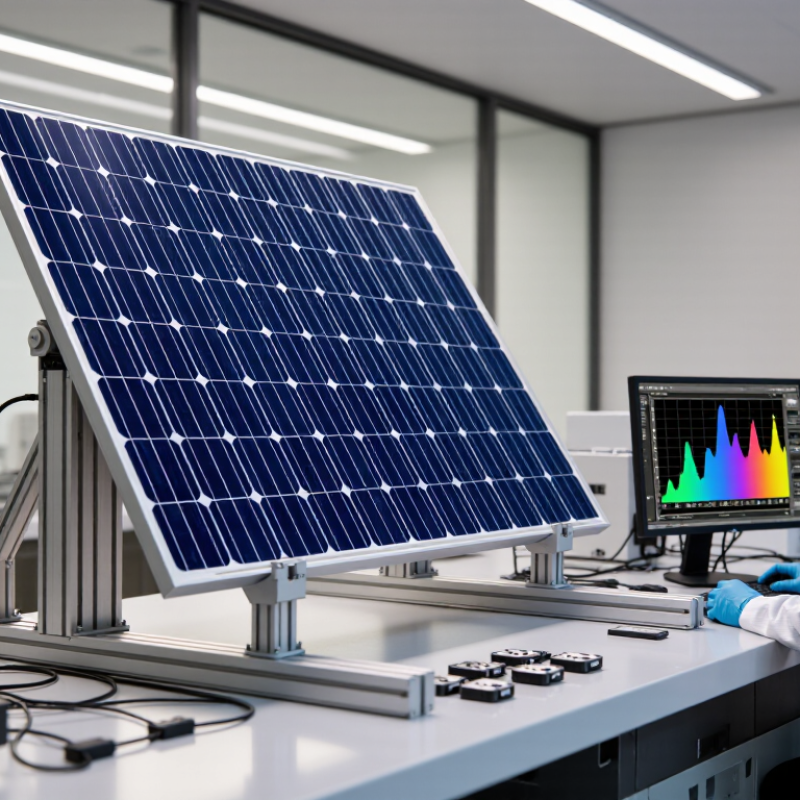
Solar Product Certifications: Purpose, Scope, and Importance
What Certifications Should High Quality Solar Products Have?
Solar product certifications show how a product was tested, where it can be used, and which risks were examined. For photovoltaic modules, safety and performance standards assess electrical insulation, fire behavior, mechanical loads, and long-term exposure. Inverters require checks for electrical safety, electromagnetic compatibility, and grid interaction. Battery systems need additional testing for thermal stability, enclosure strength, and safe charging.
The scope matters as much as the certificate itself. A document may cover one model, a product family, or a limited operating condition. Check the exact model number, rated voltage, temperature range, and test standard. An accredited laboratory should issue the report, while factory inspections and production surveillance improve traceability. This is where experience matters. A certificate can look impressive but still exclude the configuration supplied to a project.
Certification does not promise perfect performance forever. Materials age, firmware changes, and installation conditions vary. I have seen buyers focus on a familiar certification mark while overlooking expiration dates and regional requirements. That is an avoidable weakness. Reliable suppliers should provide current certificates, test reports, quality-system evidence, and clear warranty terms. Look for standards such as IEC safety requirements and ISO-based manufacturing controls, then verify their relevance to the intended site. Small details matter. A coastal installation, rooftop fire route, or high-temperature battery room may demand additional evidence.
Core Safety Certifications for Solar Panels and Components
High-quality solar products should carry clear, verifiable safety certifications. For photovoltaic panels, IEC 61215 evaluates design durability and performance under heat, humidity, mechanical loads, and repeated temperature changes. IEC 61730 focuses on electrical and fire safety. These tests matter because a panel can look perfect while hidden insulation weaknesses develop after years outdoors.
Inverters should comply with IEC 62109, which covers protection against electric shock, overheating, and abnormal operating conditions. Battery systems need certifications addressing electrical safety, thermal stability, transport, and enclosure protection. Cables, connectors, fuses, and mounting components also require suitable component-level testing. A certified panel cannot make an uncertified connector safe.
Check the certificate number, testing scope, issue date, and exact product model. The certificate should come from an independent laboratory with recognized technical competence, such as accreditation under ISO/IEC 17025. Factory quality systems, including ISO 9001, can support consistency, but they do not replace product safety certification. Regional grid approvals may also be necessary for inverters.
Do not trust a logo alone.
During product checks, small differences often matter. A certificate may cover one frame design, cable length, or battery configuration, but not every variation. This is where buyers and installers can make mistakes. I would also request test reports, installation limits, warranty conditions, and evidence of ongoing production control. Certification reduces risk, but it cannot correct poor installation, damaged packaging, or ignored maintenance instructions.
Performance and Durability Standards for High-Quality Solar Products
What Certifications Should High Quality Solar Products Have?
Performance and durability standards matter more than attractive specifications. For photovoltaic modules, IEC 61215 evaluates design performance under heat, humidity, mechanical load, and repeated temperature changes. IEC 61730 addresses electrical and fire safety. These tests help confirm that a module can operate safely beyond the showroom. However, certification does not guarantee identical results on every roof.
Harsh environments require additional evidence. IEC 61701 tests resistance to salt mist near coastlines, while IEC 62716 examines ammonia exposure around agricultural facilities. For mounting systems, corrosion testing, wind-load calculations, and material traceability deserve close attention. Inverters should meet recognized safety and efficiency standards, with testing completed by an independent laboratory accredited to ISO/IEC 17025. Factory quality systems also matter, especially when production changes over time.
Look beyond the certificate number. Request test dates, product variants, warranty conditions, and temperature coefficients. A document for one model may not cover another model with a similar name. Field inspections often reveal small weaknesses, such as loose connectors, water entry, or cracked backsheets. This is where my own judgment becomes cautious: laboratory testing is controlled, but rooftops are messy. Dust, poor ventilation, shading, and rushed installation can reduce performance. High-quality products should therefore combine verified standards, clear technical records, durable materials, and installation guidance that workers can actually follow.
What Certifications Should High-Quality Solar Products Have?
Representative IEC 61215 environmental qualification requirements for photovoltaic modules
IEC 61215 evaluates module design reliability through standardized environmental stress tests, including thermal cycling, humidity-freeze cycling, damp heat exposure, and ultraviolet preconditioning. The values use different units and are not direct performance scores. IEC 61730 should also be considered because it addresses electrical and construction safety through pass/fail qualification tests.
Environmental and Manufacturing Certifications in the Solar Industry
High-quality solar products need more than attractive efficiency figures. IEC 61215 tests design durability, while IEC 61730 evaluates electrical and fire safety. These standards examine heat, humidity, mechanical loading, and insulation. A serious manufacturer should also maintain ISO 9001 quality management certification. However, a certificate is only a checkpoint. Paper is not proof. Buyers should verify its scope, expiry date, testing laboratory, and product model.
Environmental certifications reveal how a panel is made and measured. ISO 14001 supports structured environmental management, including waste, energy, and emissions controls. ISO 14025-based Environmental Product Declarations disclose life-cycle impacts through documented calculations. ISO 14067 can support product carbon-footprint reporting. These documents matter as solar deployment expands. The IEA Photovoltaic Power Systems Programme reported approximately 456 GW of new photovoltaic capacity in 2023, with global capacity exceeding 1.6 TW. At this scale, small manufacturing differences become large environmental burdens.
Manufacturing traceability is equally important. IEC 62941 addresses quality-system guidance for photovoltaic module production and helps connect testing with factory controls. The International Technology Roadmap for Photovoltaic report highlights continuing pressure to reduce material use, energy demand, and carbon intensity. Still, certification systems are not perfect. Audits may sample limited production batches, and recycled-content claims can be difficult to compare. I would request factory audit evidence, serial-number traceability, warranty test records, and recent environmental data before purchasing. Efficiency alone cannot show responsible manufacturing.
How to Verify Solar Product Certification and Compliance
As solar deployment expands, certification checks must go beyond a logo on a product label.
IEA PVPS Trends 2024 reported more than 400 GW of solar capacity added globally in 2023. That growth increases the need for reliable verification. High-quality modules should show valid IEC 61215 and IEC 61730 certification. The first confirms design performance and durability. The second addresses electrical and safety requirements. Inverters and batteries require different standards, so one certificate never covers an entire system.
Check the certificate number, product model, manufacturing site, and validity period. These details must match the datasheet and the physical label. Contact the issuing laboratory through its official directory. Do not rely only on a supplier-provided PDF. Confirm that the laboratory holds suitable ISO/IEC 17065 or ISO/IEC 17025 accreditation. The International Renewable Energy Agency reported global renewable capacity reached 3,870 GW in 2023, making certification traceability increasingly important across international supply chains.
Look for test reports, not only certificates. Review temperature cycles, humidity exposure, mechanical-load results, and fire-safety classifications. Factory quality records also matter. ISO 9001 can support process control, but it does not prove module performance. That distinction is often missed. A certificate may be genuine yet outdated, limited to one model, or issued before a design change. Serial-number checks and random sample testing add practical confidence. No document replaces careful inspection. Even experienced buyers can overlook small scope limitations.
FAQS
They show how a product was tested, where it may be used, and which risks were examined. A certificate is evidence, not a permanent promise.
IEC 61215 evaluates durability and performance under heat, humidity, mechanical loads, and temperature changes. IEC 61730 focuses on electrical and fire safety. Hidden insulation damage can develop over time.
Inverters should meet IEC 62109 for electric shock, overheating, and abnormal operating conditions. Regional grid approval may also be required. The exact model matters.
Battery systems need testing for thermal stability, safe charging, transport, and enclosure strength. High-temperature rooms may require additional evidence. Heat changes the risk.
Not always. A certificate may cover one model, frame design, cable length, or battery configuration. Check the exact model number and operating limits.
Check the certificate number, issue date, testing scope, and product model. Use reports from independent laboratories with recognized technical competence. Do not trust a logo alone.
No. An ISO 9001 quality system supports consistent production, but it does not replace product safety testing. Both types of evidence can be useful.
Coastal sites, rooftop fire routes, and hot battery rooms may need additional documentation. Temperature range, rated voltage, and installation limits should match the site. Small details matter.
No. Certification cannot correct poor installation, damaged packaging, or ignored maintenance instructions. Perfect paperwork, imperfect installation. That weakness deserves review.
Conclusion
What certifications should high-quality solar products have? Reliable solar panels and components should carry recognized certifications that demonstrate safety, performance, durability, and responsible manufacturing. Safety certifications confirm that products meet requirements for electrical protection, fire resistance, insulation, and safe operation under expected conditions. Performance and durability standards help verify power output, energy efficiency, weather resistance, and long-term reliability when products are exposed to sunlight, heat, moisture, wind, and mechanical stress.
High-quality solar products may also have environmental and manufacturing certifications covering material management, energy use, quality control, and responsible production practices. These credentials can help buyers evaluate whether a product is made consistently and with reduced environmental impact. Certification claims should be verified by checking the certificate number, issuing organization, product model, testing scope, validity period, and whether the documentation matches the actual product. Reviewing official test reports, labels, and compliance records provides greater confidence than relying on marketing statements alone.

 Stuart Solar