Stuart Solar
Hybrid Solar Power Engineering: The Future of Global Energy Independence
An in-depth structural analysis of smart photovoltaic systems, Chinese manufacturing efficiency, and global supply chain strategies.
1. The Evolving Architecture of Hybrid Solar Energy Systems
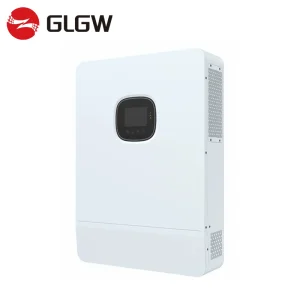
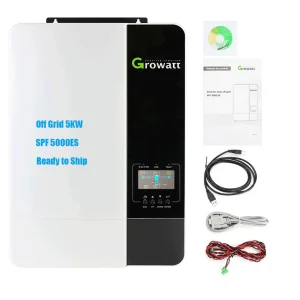
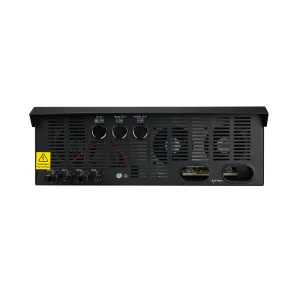
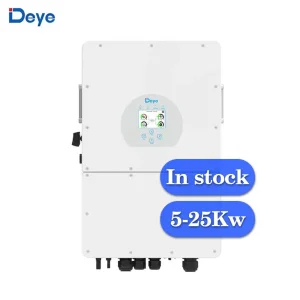
Hybrid solar energy systems represent the absolute convergence of grid-connected reliability and off-grid security. Unlike traditional grid-tied systems that shut down during power outages to protect line workers, or pure off-grid configurations that rely entirely on finite battery banks, modern hybrid solar networks actively balance power flows. By utilizing bidirectionally communicative inverters such as the Deye Three Phase and the High Power 10200W models, commercial and industrial users can dynamic-route PV output between direct load consumption, battery storage, and utility export.
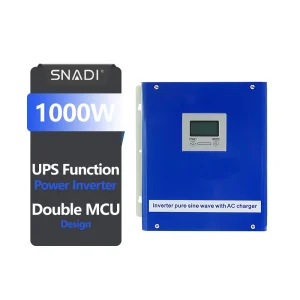
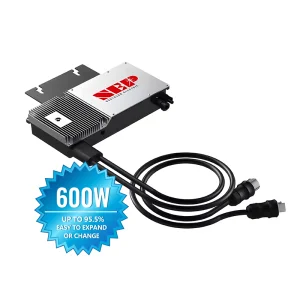
The core innovation of CE Certified Hybrid Solar Systems lies in their multi-port MPPT energy management controllers. The dual-MPPT systems optimize voltage inputs from different solar orientations, neutralizing losses from partial shading or mismatched module performance. By integrating pure sine-wave UPS circuits, these systems boast transition response times below 10 milliseconds, ensuring critical compute loads and automation lines remain uninterrupted during severe grid voltage drops.
Technical Insight: Peak Shaving & Load Balancing
Modern commercial operations leverage hybrid systems for peak shaving. During peak tariff hours, the intelligent hybrid inverter shifts the load to battery power and PV generation, completely bypassing high peak electricity rates. This drastically reduces the Levelized Cost of Energy (LCOE) while preserving the lifespan of lithium-iron-phosphate (LiFePO4) storage arrays via controlled discharge profiles.
2. The Competitive Advantage of Chinese Solar Factories
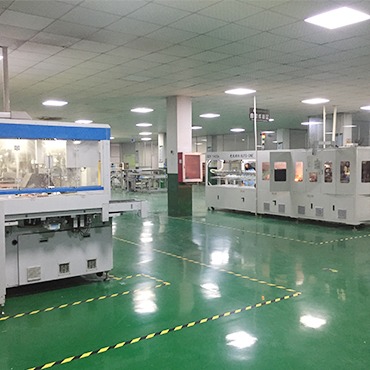
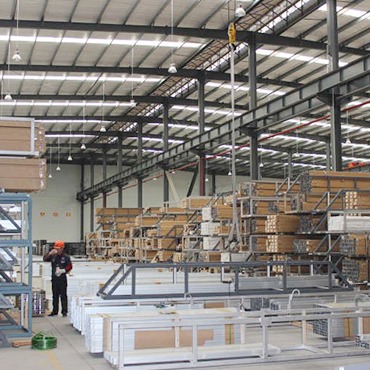
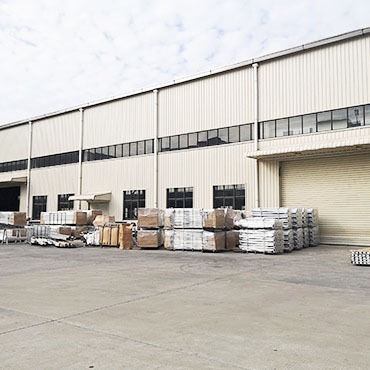
China remains the uncontested center of gravity for global PV and energy storage supply chains. Over 80% of monocrystalline ingot and wafer production, coupled with localized raw material extraction, allows Chinese factories to operate at unrivaled economy-of-scale levels. As a leading supplier and exporter, our engineering facility exploits this integrated vertical supply chain to manufacture ultra-durable brackets, high-efficiency solar modules, and smart electronic units at optimized price-to-performance benchmarks.
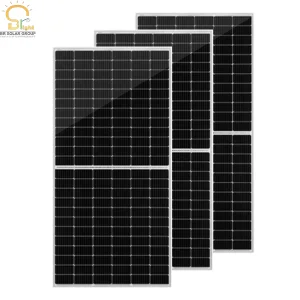
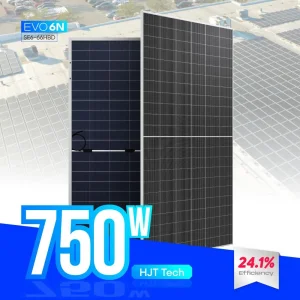
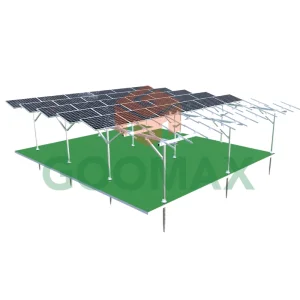
Furthermore, R&D clusters in the industrial zones of China enable real-time iteration of technologies. For instance, the transition from P-type PERC cells to N-type TOPCon modules (such as our high-performance 750W N-Type half-cell panels) happened at an accelerated rate, offering global buyers enhanced temperature coefficients and minimal LID (Light-Induced Degradation). This dense manufacturing ecosystem guarantees that components like Goomax brackets and specialized panel cleaning machinery are fabricated under rigorous ISO 9001 quality supervision.
3. Localized Application Scenarios & Macro Solutions
The viability of a hybrid solar power network relies on environmental and structural integration. We engineer and design systems customized for specific regional stresses:
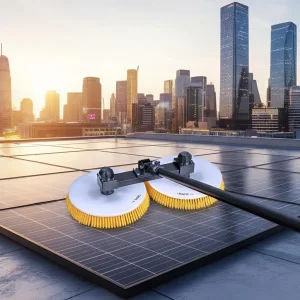
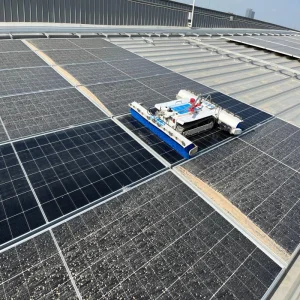
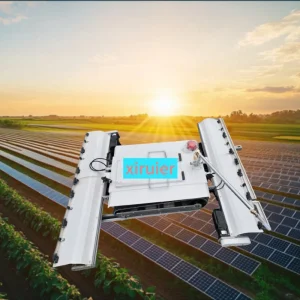
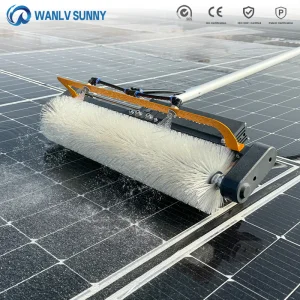
- Desert and High-Dust Environments: Dust accumulation (soiling) on PV modules can drop daily system efficiency by as much as 30%. In regions like the Middle East and North Africa, we supply fully integrated solutions that combine high-yield monocrystalline panels with autonomous cleaning robots. These wet/dry cleaning units use battery-powered mechanical rollers to maintain peak transmittance without requiring manually intensive water cleaning.
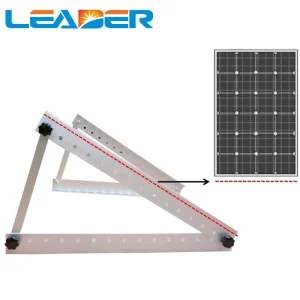
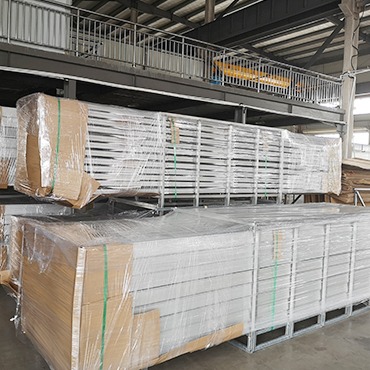
- Extreme Weather & Coastal Regions: Aluminum roof mounting systems and adjustable brackets are engineered to withstand typhoons and high wind loads. Utilizing marine-grade anodized aluminum (6005-T5), Goomax systems provide corrosion resistance in high-salinity island deployments.
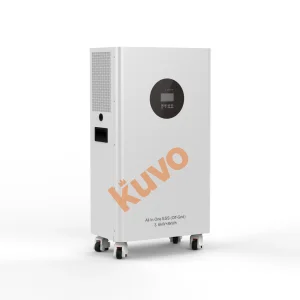
- High-Tariff Urban Centers: In European countries where peak electricity pricing causes operational strains for businesses, our Deye and Growatt-compatible energy storage hubs act as localized microgrids. These systems allow full autonomy from municipal supply during peak windows.
4. Global Enterprise Procurement: Essential RFP Parameters
Supply chain executives must look beyond initial cost per watt when acquiring enterprise-scale hybrid systems. Procurement specifications should prioritize international compliance, especially CE (Conformité Européenne) markings. CE certification is crucial because it ensures that inverters, MPPT controllers, and module components conform to strict European safety, health, and environmental protection standards (including LVD and EMC directives).
Additionally, ensure that mounting brackets are calculated for localized snow and wind loads, and that inverters support modular battery scaling via CAN/RS485 communication protocols. Securing Tier-1 component manufacturing guarantees low degradation, minimal failure rates, and reliable long-term yields.