In the current global energy landscape, "Industrial PV Solutions" have transitioned from a luxury sustainability initiative to a core economic requirement. As corporations face increasing pressure from ESG (Environmental, Social, and Governance) mandates and rising volatility in traditional energy markets, the demand for high-efficiency solar infrastructure has skyrocketed.
This comprehensive white paper explores the leading manufacturers who are redefining Levelized Cost of Energy (LCOE) through technological innovation, vertically integrated supply chains, and advanced AI-driven maintenance systems. Understanding the difference between a "supplier" and a "strategic manufacturing partner" is the key to long-term asset bankability.
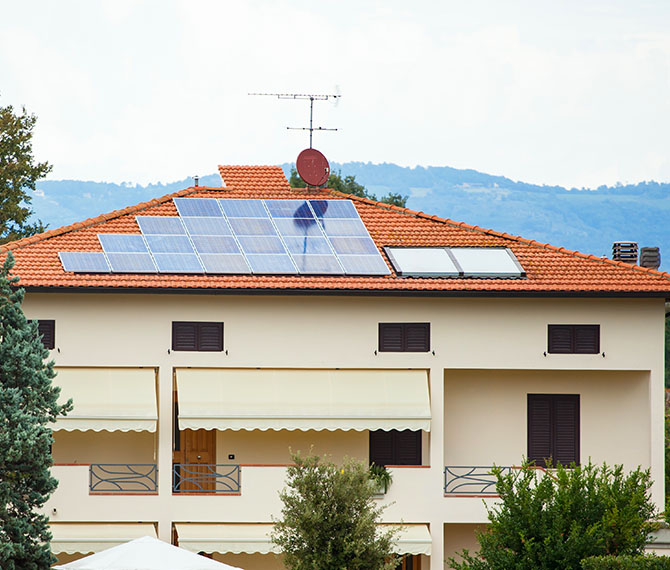
The top tier manufacturers like Jinko and Canadian Solar invest over 5% of annual revenue into cell efficiency breakthroughs, moving the industry from PERC to TOPCon and HJT.
Reliability is measured by the ability of projects to secure non-recourse debt. Tier 1 status remains a gold standard for industrial scale procurement.
Controlling everything from silicon ingots to finished modules ensures resilience against geopolitical shifts and logistics bottlenecks.
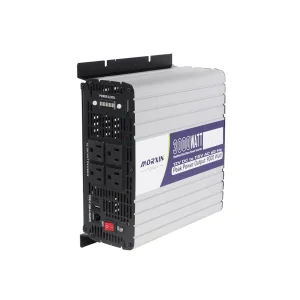
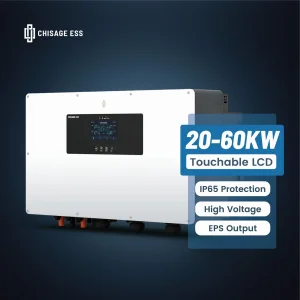
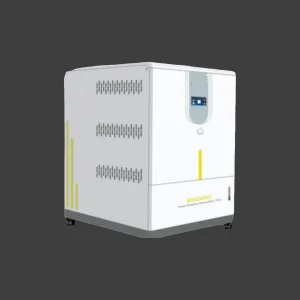
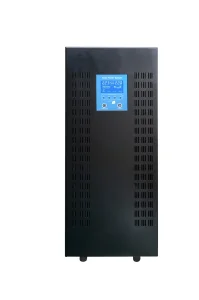
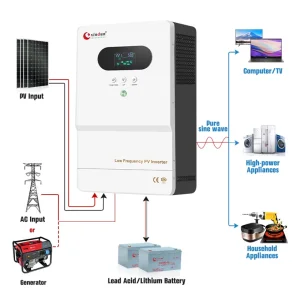
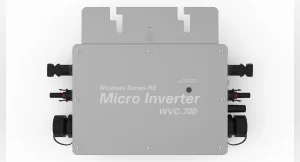
Leading manufacturers are no longer selling just panels; they are selling integrated ecosystems including AI-managed hybrid inverters and BESS.
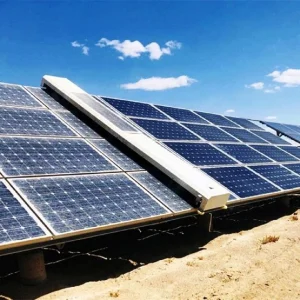
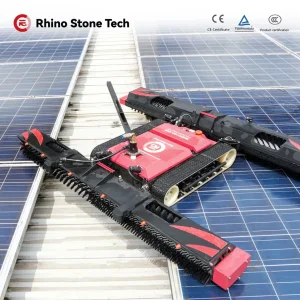
Companies providing robotic cleaning solutions and thermal drone monitoring are drastically reducing the operational costs of large-scale arrays.
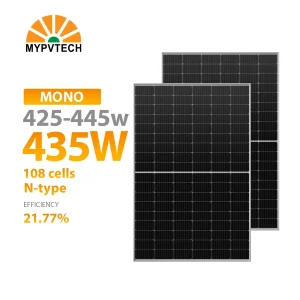
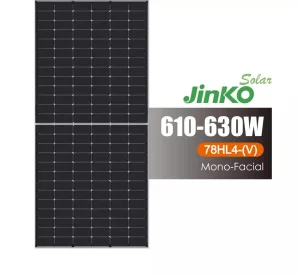
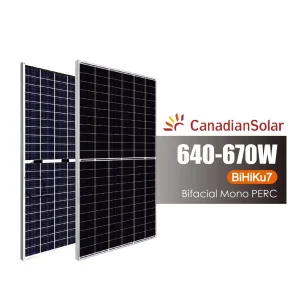
The industrial PV sector is currently witnessing a massive technological pivot. We are moving beyond the 400W-500W standard into the era of Ultra-High Power Bifacial Modules.
N-Type TOPCon & HJT: These technologies offer superior temperature coefficients, meaning they perform better in hot industrial environments. For large-scale rooftops, this equates to a 3-5% increase in annual energy yield compared to traditional P-type cells.
The dominance of Chinese manufacturers in the PV space is not just about cost—it’s about Industry 4.0 integration. Modern factories in hubs like Jiangsu and Guangdong utilize fully autonomous production lines, EL (Electroluminescence) testing at every stage, and AI defect detection.
"The resilience of the PV supply chain is no longer just about logistics; it's about the 'Information Gain' provided by real-time data tracking from the silicon source to the final EPC delivery."
Our company follows ISO9001 quality system strictly. All products are certified by CE. With excellent quality and good reputation, Solar Panel, Solar System, and Solar Cleaning Machine has been exported to more 100 different countries worldwide.
We offer all products with extended warranties. Our professional technical team helps solve questions via Video, Phonecall, and Email. We aim for a relationship that never ends, ensuring long-term ROI for your industrial assets.
We specialize in R&D, manufacturing, and system integration. We are determined to become a "one-stop solar energy supplier," collaborating across industries to provide diverse solutions, including specialized accessories.
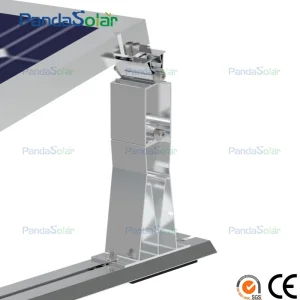
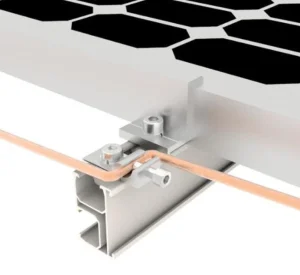
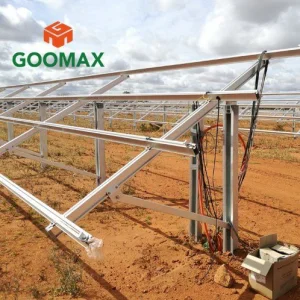
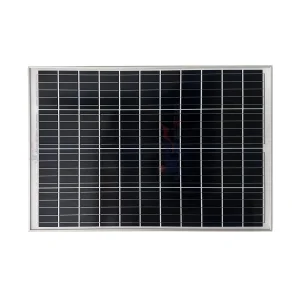
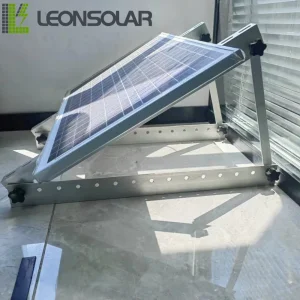
We provide photovoltaic solar panels, solar mounting systems, solar inverters, and solar panel cleaning machines. Our professional system engineer team provides reliable and trustworthy system solutions to help create a cleaner world.
More About Us Contact Our ExpertsCombining agriculture with power generation. Using high-clearance mounting systems to allow machinery and crop growth beneath the panels.
Utilizing water reservoirs to save land. The cooling effect of water increases panel efficiency by up to 10%.
Transforming parking lots into energy hubs, providing shade for vehicles while charging EV fleets with clean energy.
Entering international markets requires deep knowledge of local grid codes and safety standards. Our solutions are engineered to meet:
 Stuart Solar