In the rapidly evolving renewable energy landscape, the MC4 connector (Multi-Contact, 4mm diameter) serves as the "nervous system" of a photovoltaic plant. While often considered a commodity, the quality of interconnection directly dictates the Levelized Cost of Energy (LCOE) and the long-term safety of multi-billion dollar solar assets. In this whitepaper, we delve into the top manufacturers driving innovation in contact resistance reduction, UV stabilization, and 1500V DC system compatibility.
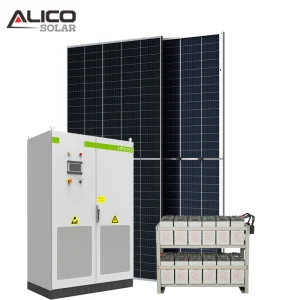
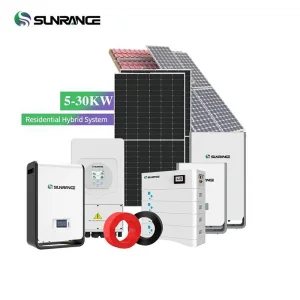
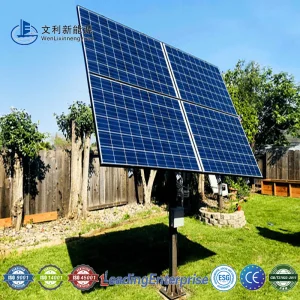
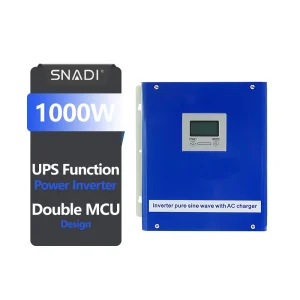
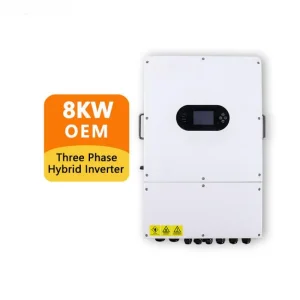
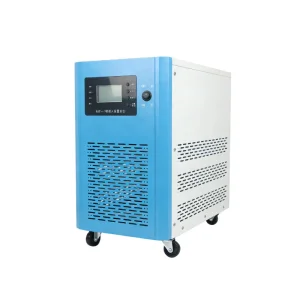
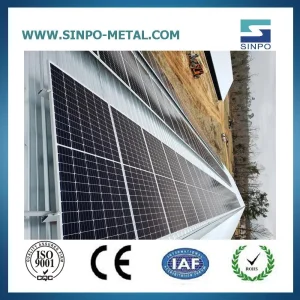
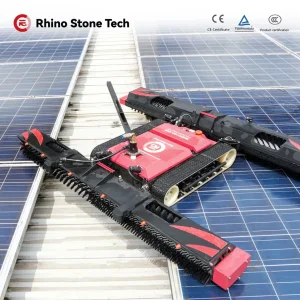
We mainly provide photovoltaic solar panels and solar mounting systems, solar inverters, and solar panel cleaning machines. We specialize in R&D, manufacturing, system integration, sales and service. Our professional system engineer team provides reliable and trustworthy system solutions based on ISO9001 and CE certifications.
Standard DC Voltage
Contact Resistance
Waterproof Rating
Design Lifespan
The original pioneer of the MC4 standard. Their MULTILAM technology ensures low contact resistance and high reliability. Dominates the premium market with the MC4-Evo 2 series designed for 1500V systems.
Known for the Helios H4 series. Amphenol offers high-current capabilities and extensive certifications (UL/TUV). Their factory focus is on rapid field installation and cost-efficiency.
A global leader in sensor and connector solutions. Their PV4-S series is highly regarded for its robust locking mechanism and resistance to harsh environmental conditions.
Specializes in SUNCLIX connectors. Unlike standard MC4, SUNCLIX features a spring-cage connection that requires no tools, significantly reducing labor time in large-scale utility projects.
One of China's largest PV connector factories. They provide massive volume to Tier-1 module manufacturers with a strong focus on price-to-performance ratio and ISO-certified quality control.
Offers a wide range of DC branch connectors and cable assemblies. Their R&D centers in Silicon Valley and manufacturing hubs in Asia provide global localized support.
Focuses on R&D of solar junction boxes and connectors. Their products are widely exported to 100+ countries, maintaining high compliance with IEC 62852 standards.
A rising star in the "Information Gain" era. Gicibi focuses on smart monitoring within connectors, allowing O&M teams to detect heat build-up before a thermal event occurs.
Operating as the localized manufacturing arm of the global leader, this factory ensures that the high standards of Swiss engineering are met with local supply chain speed in Asia.
By integrating connector manufacturing into their module production line, Jinko ensures 100% compatibility and reduces the risks associated with "cross-mating" different connector brands—a leading cause of PV fires.
The global demand for MC4 connectors is shifting from 1000V DC to 1500V DC systems to reduce cable costs and increase efficiency. Major EPCs in Europe and North America are now mandating "Matching Manufacturer" policies to prevent mismatching which leads to arc faults.
Integration of pre-assembled cable harnesses (trunk systems) is replacing traditional field crimping to ensure factory-level quality across large-scale deserts and offshore wind-solar farms.
The next 5 years will see the rise of "Smart Connectors" embedded with PLC (Power Line Communication) sensors to monitor string performance at the connector level.
A: It is strongly discouraged. While they may physically fit, differences in tolerances and material thermal expansion coefficients can lead to increased resistance and potential fire hazards. TUV and UL certifications are only valid when mating components from the same manufacturer.
A: They allow for longer strings, reducing the number of combiner boxes and wiring needed, which can lower total system balance of system (BOS) costs by up to 5%.
A: UV radiation and ammonia (in agricultural settings) are the biggest threats. High-quality manufacturers use PPO (Polyphenylene Oxide) or high-grade polyamides to ensure a 25-year service life.
 Stuart Solar