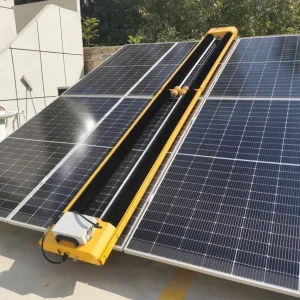
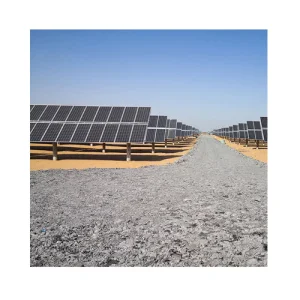
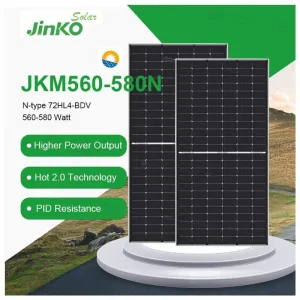
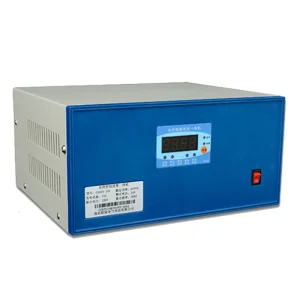
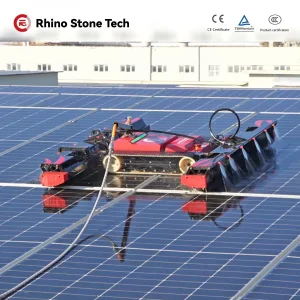
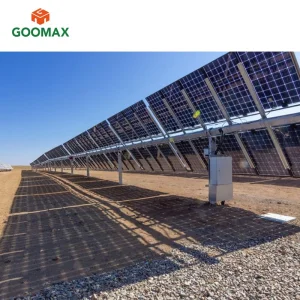
High-efficiency clean energy modules, tracking architectures, and utility-scale maintenance systems designed to integrate seamlessly with intelligent telemetry networks.
As the world transitions to decentralized, multi-gigawatt renewable energy architectures, the stability of the grid relies heavily on continuous telemetry, predictive maintenance, and real-time power dispatching. Photovoltaic (PV) installations—ranging from rooftop Commercial and Industrial (C&I) arrays to massive utility-scale installations—require rigorous data monitoring. Raw generation capability alone no longer dictates success. Rather, success lies in the ability to ingest, parse, transmit, and secure operational data.
Smart Solar Data Loggers serve as the neural pathway of modern solar power plants. By interfacing with string inverters, weather stations, smart meters, trackers, and protective relays, these edge devices transform raw electrical and environmental metrics into actionable insight. Without high-frequency monitoring, system anomalies such as string degradation, inverter faults, grid curtailment, or dirt accumulation remain invisible. Such issues can reduce energy generation by up to 15-20% annually.
In the global arena, exporters must provide hardware that addresses diverse regional challenges. Grid operators in regions like Europe (ENTSO-E compliance), North America (NERC CIP rules), and Latin America demand strict active/reactive power controls. Consequently, data loggers must function as active grid controllers, and not just passive monitoring instruments.
Navigating complex technical integrations, hardware-level compliance, and customized OEM/ODM industrial cycles.
Industrial solar systems must operate for 20 to 25 years in harsh conditions. Procuring entities require data loggers built with industrial-grade microprocessors, internal watchdog circuits, wide-temperature support (-40°C to +85°C), and IP65+ ingress ratings for outdoor deployment.
Modern PV assets feature diverse equipment topologies. Data gateways must support RS485, Modbus-RTU, Modbus-TCP, Ethernet, Wi-Fi, 4G/LTE cellular backhaul, CAN Bus, and optical fiber loop configurations to ensure seamless hardware integration.
Protecting critical power infrastructure requires hardware-level encryption (AES-256), secure boot mechanisms, and TLS 1.3 encryption protocols. Integrated flash storage allows localized data buffering to prevent telemetry gaps during network drops.
Scalable architectures that bridge field equipment data to centralized cloud SCADA systems, maximizing yield and efficiency.
Designed for multi-megawatt PV installations, this architecture coordinates data loggers across localized clusters. High-capacity optical fiber networks link edge gateways to a centralized master controller, integrating with SCADA software via Modbus-TCP and IEC 60870-5-104 protocols.
For portfolios of commercial rooftops, we provide cellular-enabled data loggers that transmit data directly to cloud management platforms. This system bypasses the need for local IT infrastructure, allowing asset managers to track yield, performance ratios, and string health through a unified portal.
Integrating solar arrays and Battery Energy Storage Systems (BESS) into a virtual power plant requires bidirectional control. Our telemetry solutions deliver fast response times, enabling fast power frequency responses and automated active/reactive dispatch controls.
The telemetry landscape is evolving from passive performance logging to localized, predictive action. As part of our OEM/ODM roadmap, we are deploying advanced technologies to optimize yield and improve O&M schedules.
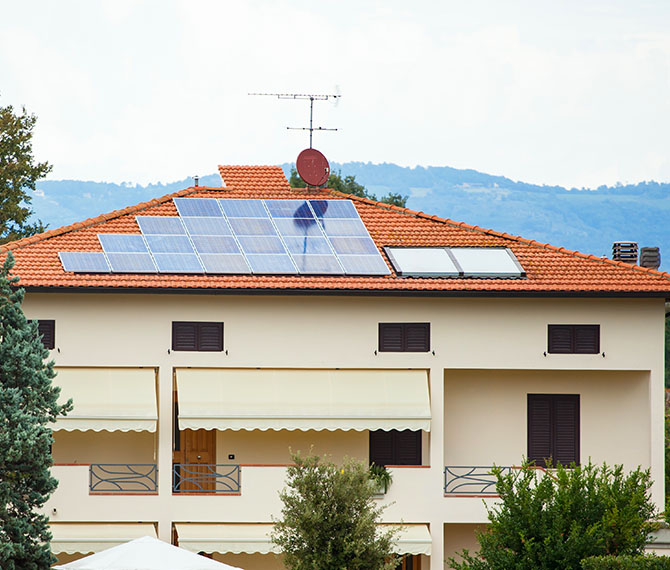
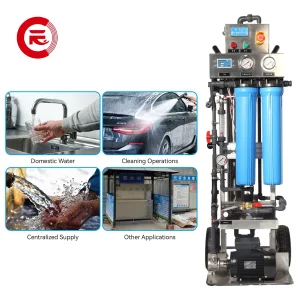
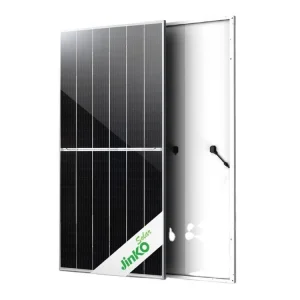
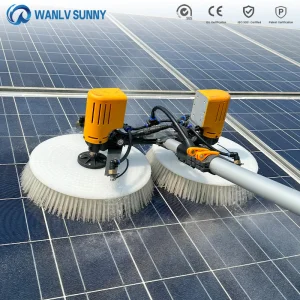
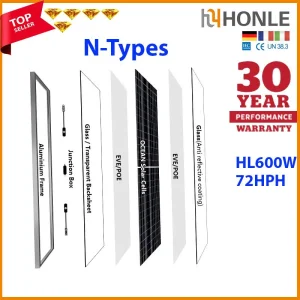
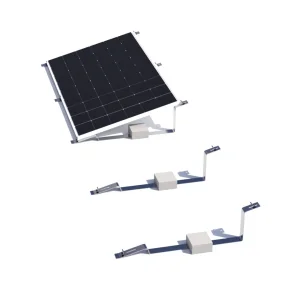
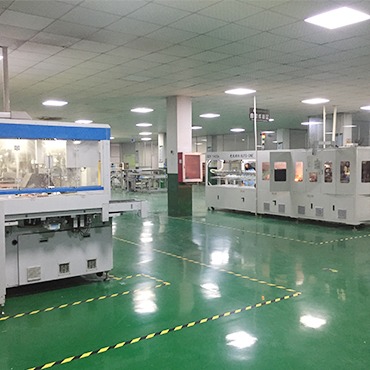
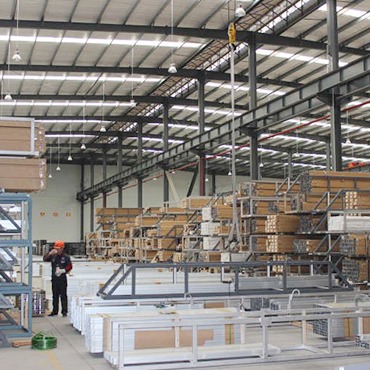
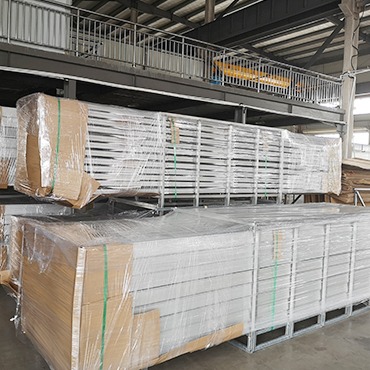
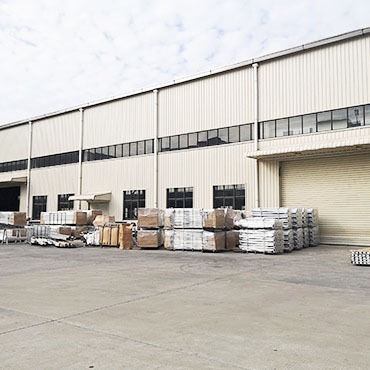
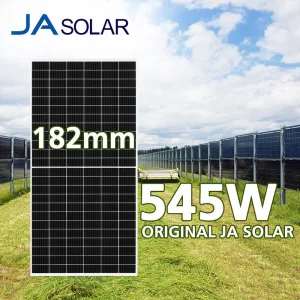
We mainly provide photovoltaic solar panels and solar mounting systems, solar inverters, and solar panel cleaning machines. We specialize in R&D, manufacturing, system integration, sales and service. With our professional system engineering and technical teams, we provide professional, reliable, and trustworthy system solutions. We are determined to become a "one-stop solar energy supplier", continuing to innovate and improve our renewable energy product portfolio to help create a cleaner and brighter world.

Our company strictly follows the ISO9001 quality system. All products are CE certified. Driven by reliability and performance, our solar panels, mounting systems, and cleaning equipment are exported to over 100 countries globally.

We back all products with comprehensive warranties and extended service options. Our professional technical team assists with installation and troubleshooting via video, phone calls, and email to ensure long-term system uptime.
As a professional solar energy enterprise, we also cooperate with companies across various sectors to deliver diverse product lines to our clients, including high-performance yoga mats and eco-friendly wellness products.
 |
 |
 |
 |
Technical answers regarding protocol translations, OEM/ODM processes, and cybersecurity compliance.
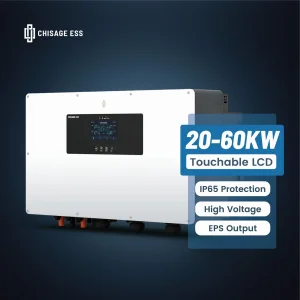
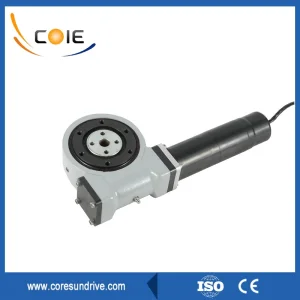
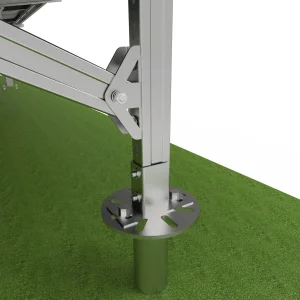
Robust power conversion systems, single-axis solar trackers, and balance-of-system structures optimized for automated asset monitoring.
 Stuart Solar