Empowering decentralized grids with high-performance solar generation, mounting mechanisms, and smart power management hardware.
As global power utilities struggle under rising demand and grid volatility, C&I microgrids present a viable framework for long-term energy security, decarbonization, and operating cost mitigation.
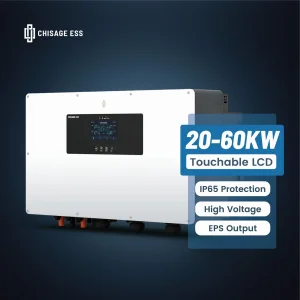
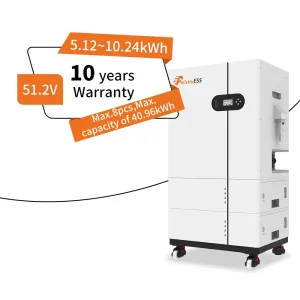
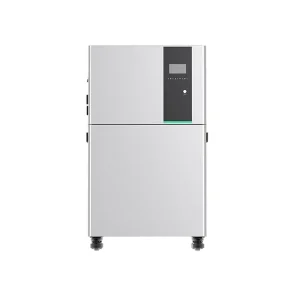
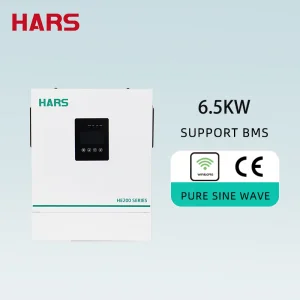
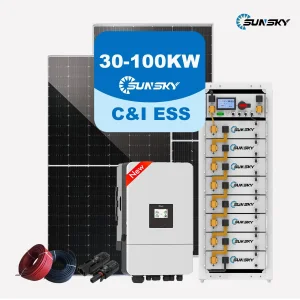
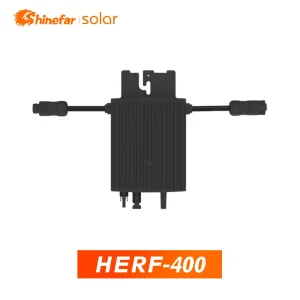
Commercial enterprises are highly sensitive to peak-demand tariffs. Solar microgrids equipped with hybrid three-phase inverters (ranging from 20kW to 100kW+) and lithium energy storage systems enable dynamic peak-shaving. This process shifts reliance away from the utility grid during expensive peak-pricing intervals, delivering predictable operating expenses and securing rapid amortization on solar investments.
Unstable central grids threaten operational continuity for automated manufacturing lines and cold-storage facilities. Modern solar microgrids operate as self-sustaining energy ecosystems. Incorporating smart grid-forming inverters and resilient battery chemistry allows immediate isolation from the primary utility system during blackouts, safeguarding infrastructure, production cycles, and critical data systems.
Stricter regional carbon regulations—such as Europe's Corporate Sustainability Due Diligence Directive (CSDDD) and the Carbon Border Adjustment Mechanism (CBAM)—require operations to lower their Scope 1 and Scope 2 emissions. Deploying certified solar microgrids provides verifiable metrics for clean energy generation, helping firms meet compliance demands and secure access to ESG-driven capital.
Why working with a vertically integrated Chinese OEM/ODM exporter lowers LCOE and accelerates installation schedules.
By coordinating the design, sourcing, and testing of structural mounts, power electronics, and battery storage under one system architecture, we reduce engineering conflicts. This vertical integration shortens procurement cycles, guarantees components are compatible out of the box, and lowers initial capital expenditures compared to sourcing components from fragmented regional suppliers.
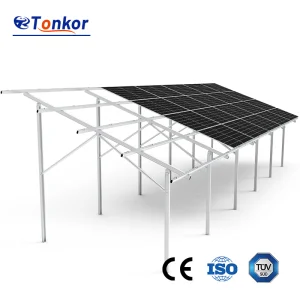
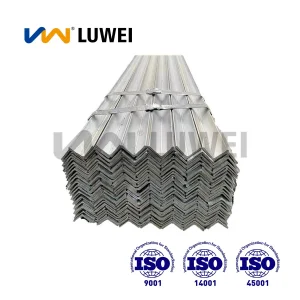
Different regions present unique engineering demands, from severe wind loads to corrosive, high-saline marine environments. Our design team adapts structure dimensions, material grades, and mounting angles using aluminum alloys or hot-dip galvanized steel to match localized building regulations and soil requirements, ensuring structural stability and regulatory compliance.
Following strict ISO 9001 standard operating procedures, we verify electrical performance, thermal management, and structural load tolerances at each stage of production. Every solar inverter, battery module, and structure is tested before shipment. CE certifications guarantee compliance with European safety, environmental, and consumer protection requirements.
Engineered configurations for varied environmental and operational demands.
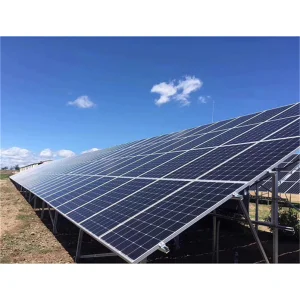
Large-scale solar parks demand structural and material durability. Utilizing galvanized steel or lightweight aluminum ground mounting systems provides the necessary wind and snow load resistance. When paired with real-time solar trackers, system yields improve by up to 25% compared to fixed arrays, optimizing project IRR in agricultural and open-field installations.
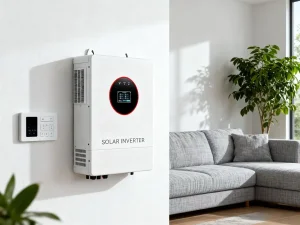
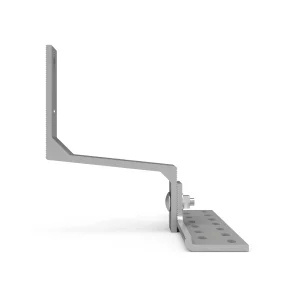
Modern warehouses and factories leverage roof-mounted systems to offset energy costs. Using custom roof hooks and lightweight tracking structures allows solar integration without compromising roof membranes or structural integrity. Three-phase hybrid inverters manage power flows to ensure self-consumption rates remain high.
For operations in rural areas, islands, or telecommunication stations, connecting to a central utility grid is often cost-prohibitive. Off-grid systems integrating high-capacity lithium storage, MPPT controllers, and backup generators form stable regional microgrids. This structure reduces reliance on diesel fuel, lowers logistics costs, and delivers dependable power.
As solar technologies evolve, sourcing choices directly influence project margins and asset life cycles. Make informed decisions based on market shifts.
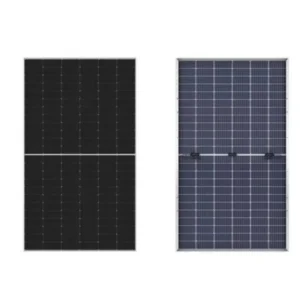
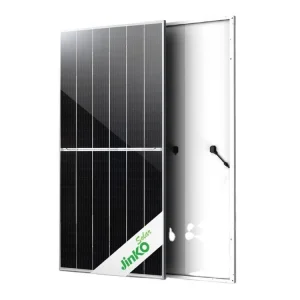
The global PV industry continues to move away from older P-type technology in favor of N-type TOPCon and heterojunction (HJT) structures. N-type architectures offer lower temperature coefficients, reduced light-induced degradation (LID), and higher bifaciality rates, allowing systems to capture reflected light from the ground and produce more energy in tight footprints.
Modern microgrids leverage smart software for predictive energy management. Systems analyze local weather forecasts, historic consumption data, and real-time utility rates to optimize battery dispatch. This automation preserves battery health and maximizes grid-arbitrage margins.
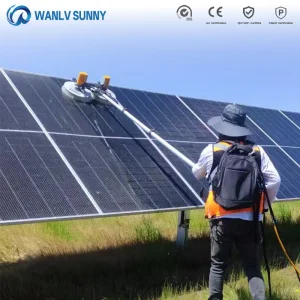
Soiling from dust, bird droppings, and industrial residue is a major driver of yield losses in PV systems. Regular cleaning is essential. Utilizing cordless, high-pressure solar panel cleaning machines with telescopic poles ensures quick maintenance and prevents hot spots that can permanently damage PV modules.
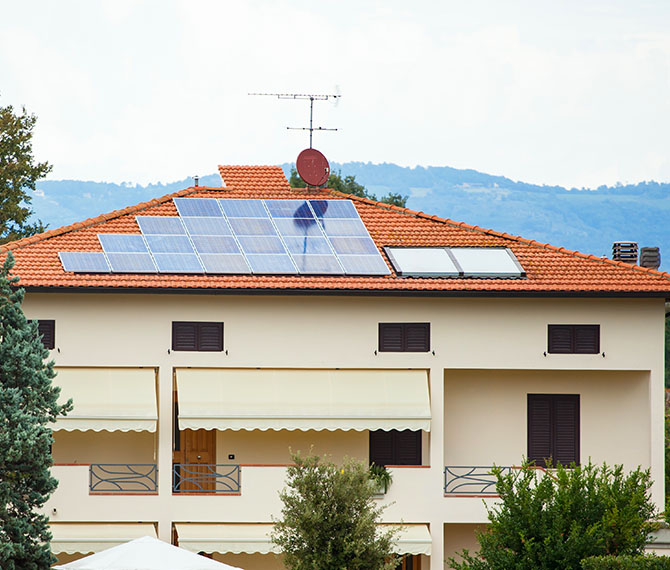
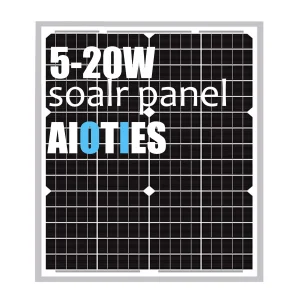
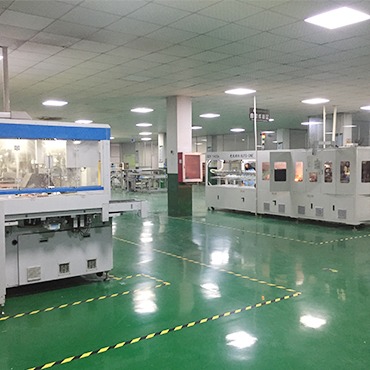
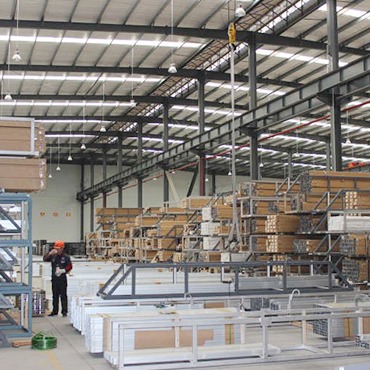
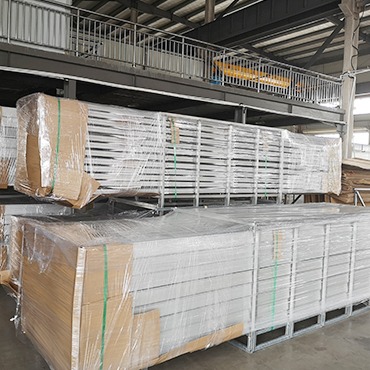
We mainly provide photovoltaic solar panels and solar mounting systems, solar inverters, and solar panel cleaning machines. We specialize in R&D, manufacturing, system integration, sales and service. Have a professional system engineer team and technical team to provide you with professional, reliable and trustworthy system solutions. We are determined to become a "one-stop solar energy supplier". We will continue to innovate and improve its renewable energy product portfolio to help create a cleaner and brighter world.
Our company follows ISO9001 quality system strictly. All products are certified by CE. With excellent quality and good reputation, Solar Panel, Solar System, and Solar Cleaning Machine has been exported to more 100 different countries in the worldwide.
We offers all the products with warranty( extend supported), our professional techinical team will help to solve the questions via Video, Phonecall, Email, etc. We aim to let every customer receives the best service from the begining and lasts for years, our relationship never ends. We are always welcome to meet you while you have any kind of questions with solar energy products.
Partner Network:
We are a professional solar energy company, and we also cooperate with many companies in different industries to bring customers different products, such as yoga mats,
 |
 |
 |
 |
Direct answers to common engineering, deployment, and logistics questions from procurement and operations professionals.
Discover our supplementary components, mounting accessories, solar trackers, and maintenance gear designed to optimize your microgrid.
 Stuart Solar