Explore our elite portfolio of heavy-duty photovoltaic panels, structural supports, dynamic racking tracking systems, and robotic maintenance platforms.
In the context of the global transition to clean energy, high-performance solar street lighting has emerged as a cornerstone of smart municipal infrastructure. Decoupled microgrids, sustainable illumination profiles, and robust component architecture define the modern municipal light-pole. To ensure decades of trouble-free operations in hostile environments—ranging from saline marine coastlines to arid desert high-temperature zones—global procurement managers require an exhaustive understanding of component engineering, material longevity, and supply chain management.
As a leading hub for green technology, China represents the vanguard of advanced manufacturing in photovoltaic assemblies. Our manufacturing cluster integrates cutting-edge material science with heavy-industry robotics to deliver components that satisfy the stringent demands of E-E-A-T (Experience, Expertise, Authoritativeness, and Trustworthiness) guidelines. This document outlines the technological roadmap, compliance frameworks, and manufacturing ecosystems that position our industrial output at the pinnacle of the global clean energy transition.

Our company follows ISO9001 quality system strictly. All products are certified by CE. With excellent quality and good reputation, Solar Panel, Solar System, and Solar Cleaning Machine has been exported to more 100 different countries in the worldwide.

We offers all the products with warranty( extend supported), our professional techinical team will help to solve the questions via Video, Phonecall, Email, etc. We aim to let every customer receives the best service from the begining and lasts for years, our relationship never ends. We are always welcome to meet you while you have any kind of questions with solar energy products.
We are a professional solar energy company, and we also cooperate with many companies in different industries to bring customers different products, such as yoga mats.
 |
 |
 |
 |
The solar street light ecosystem is evolving past basic standalone panels and lead-acid storage. Modern developments emphasize higher energy densities, extreme-weather structural integrity, and artificial intelligence integration.
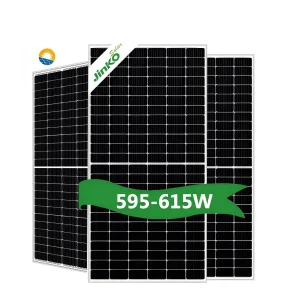
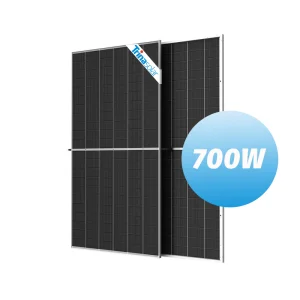
Transitioning from standard p-type PERC to N-type TOPCon and Heterojunction (HJT) cell architectures. Leveraging bifacial light capture and half-cut cell patterns to reduce electrical resistance and boost efficiency to 22.8%+, ensuring optimal energy harvesting even under dense cloud cover or architectural shading.
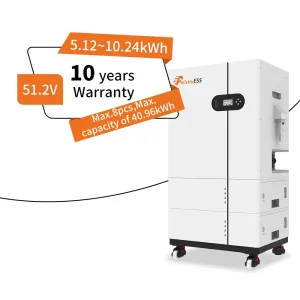
Replacing legacy Gel/Lead-Acid configurations with smart Lithium Iron Phosphate (LiFePO4) systems. Integrated with intelligent Battery Management Systems (BMS) containing active cell-balancing algorithms, sub-zero heating elements, and auto-disconnect parameters to survive ambient operations from -30°C to 65°C.
Micro-inverters and DC-DC controllers running high-frequency Maximum Power Point Tracking (MPPT) achieving >99.8% static conversion efficiency. Dynamic firmware enables Zigbee, LoRa, or NB-IoT connectivity for real-time telemetry, remote dimming profiles, and predictive component maintenance.
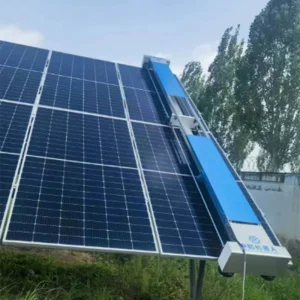
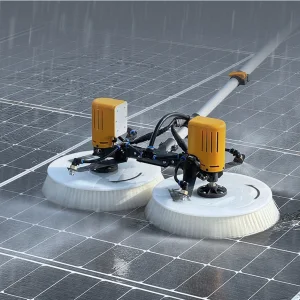
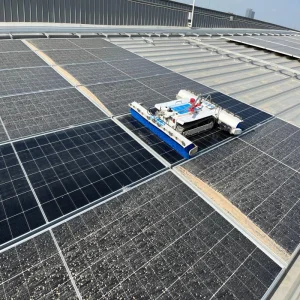
Dust, bird droppings, and industrial particulate soot introduce significant panel soiling losses (ranging from 15% to 45% degradation in conversion efficiency within weeks). To protect investment returns (ROI) and maintain continuous operational safety, the integration of Fully Automatic Solar Panel Cleaning Robots has transitioned from an optional accessory to a core infrastructure requirement. Autonomous robotics operating on guide rails or crawler tracks utilize dry-cleaning composite microfiber rollers to remove particulate layers daily without consuming clean water. Incorporating these technologies minimizes maintenance cost structures while ensuring the solar panels operate at peak physical output consistently.
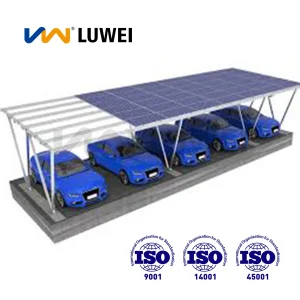
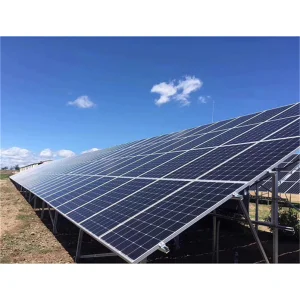
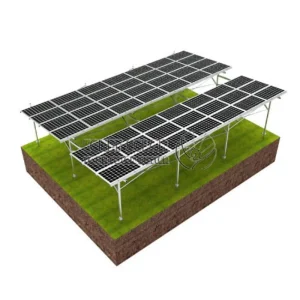
Smart city designs and highway expansions demand a holistic deployment perspective. Standalone lighting poles must withstand mechanical stresses induced by aerodynamic drag, heavy wind loading, and seismic acceleration. China's manufacturing clusters apply computer-aided FEA (Finite Element Analysis) to structural mounting configurations—such as hot-dip galvanized steel ground systems and lightweight composite structural mounts—to verify resistance against wind speeds exceeding Category 15 typhoons (50 m/s).
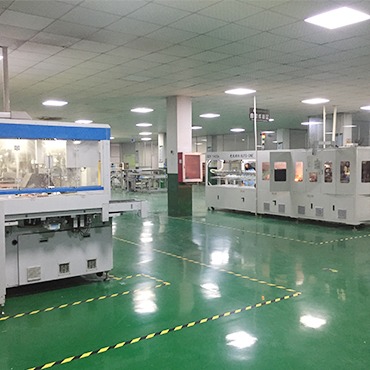
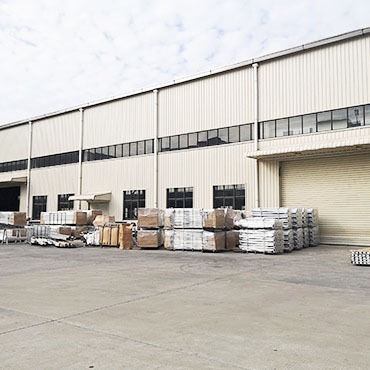
At the center of our production advantage is the integration of Industrial IoT and automation within our production facilities. Automated PV assembly lines control laser-scribing, cell stringing, and EVA vacuum lamination processes with sub-millimeter precision. By minimizing manual interactions, we eliminate micro-cracks inside the silicon wafers, which are a primary cause of premature PV degradation. Additionally, hot-dip galvanization lines for mounting systems utilize automated temperature-controlled zinc baths to ensure structural coatings maintain a uniform thickness exceeding 85 microns, offering protection against coastal corrosion for up to 30 years.
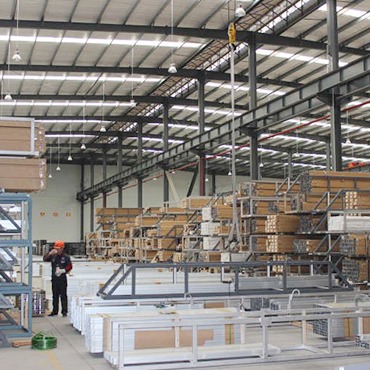
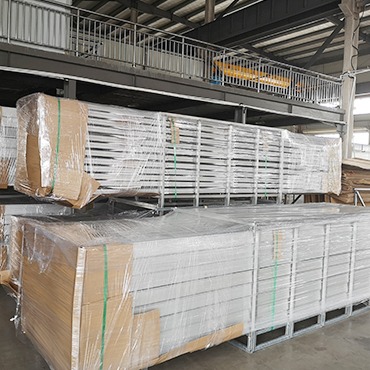
Navigating the complex global supply chain requires strategic logistics management. Our one-stop factory footprint optimizes freight consolidation. Heavy metallic racking systems, dense lithium battery banks, and delicate glass-encapsulated PV modules are packed into structurally secure container configurations. This consolidated shipping method minimizes transport costs and ensures compatible assembly steps upon delivery, reducing overall project CAPEX.
Accessing international target markets requires strict adherence to localized electrical safety codes, electromagnetic compatibility rules, and environmental regulations. As Tier-1 manufacturers, our products are engineered and tested to satisfy standard global benchmarks:
Procurement directors must calculate lifecycle costs (TCO) rather than focusing solely on initial acquisition expenses (CAPEX). A cheaper controller lacking precise MPPT charging algorithms or utilizing low-grade lithium cells increases operational expenditures (OPEX) through frequent site service visits and premature replacement cycles. By integrating industrial-grade components—such as half-cell monocrystalline arrays, high-efficiency lithium chemistry, and automated cleaning robots—long-term field maintenance is significantly reduced, yielding lower Levelized Cost of Energy (LCOE) values.
Technical answers regarding solar street light component specification, deployment, and operation.
A: N-Type TOPCon (Tunnel Oxide Passivated Contact) panels feature a lower temperature coefficient (-0.30%/°C compared to -0.35%/°C for PERC) and practically eliminate Light-Induced Degradation (LID). This ensures higher energy generation over time, particularly under hot ambient operating conditions typical of solar street light installations.
A: Automated cleaning robots mitigate the risk of hot-spot formation caused by localized bird droppings or heavy dust accumulations. Hot spots generate localized heat that degrades encapsulating EVA layers, causing premature cell failure. Frequent cleanings help prevent this degradation process.
A: LiFePO4 offers superior thermal runaway stability, remaining secure at temperatures up to 60°C without risk of combustion. It also provides a longer cycle life (exceeding 3,000–6,000 cycles at 80% Depth of Discharge) compared to Ternary Lithium (which typically yields 800–1,500 cycles), leading to a lower total cost of ownership.
A: Wind loading exerts significant torque on structural poles. Racking systems constructed from hot-dip galvanized steel or high-tensile aluminum alloys must be engineered to withstand local wind velocity specifications. This involves selecting pole diameters, thickness values, and mounting foundation depth to prevent structural failures during extreme weather events.
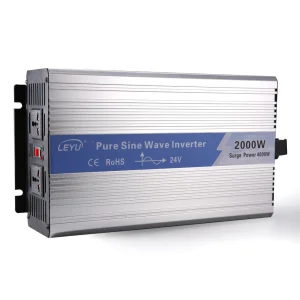
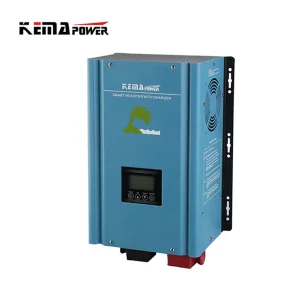
A: Hybrid inverters manage multiple power inputs, allowing street light systems to run off solar power, battery storage, or the main utility grid. They optimize energy distribution based on demand and utility rates, ensuring consistent uptime even during extended periods of low sunlight.
A: ISO 9001 compliance requires systematic quality inspections at every stage of production. This includes raw material incoming inspection (IQC), in-process quality checking (IPQC), and final output performance testing (FQC) under simulated sunlight to verify specified wattage, insulation resistance, and mechanical integrity.
Industrial-grade components designed to optimize performance, increase system durability, and simplify field maintenance.
 Stuart Solar