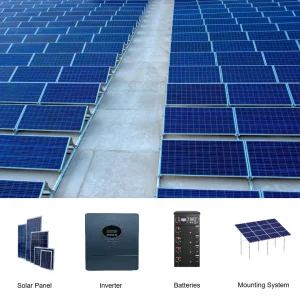
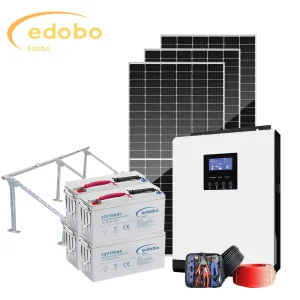
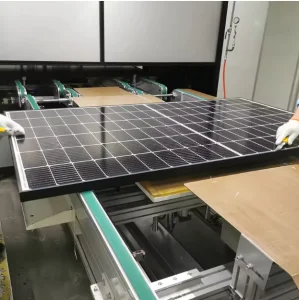
Industrial-grade components optimized for seamless integration, durability, and grid compatibility.
Understanding the transition from passive energy generation to dynamic, resilient energy management systems (EMS).
As the global energy landscape undergoes a paradigm shift toward complete decarbonization, intermittency remains the most critical hurdle for wide-scale solar photovoltaic (PV) deployment. Modern grid infrastructures can no longer rely on simple net metering. The transition requires sophisticated Battery Energy Storage Systems (BESS) that buffer output variations, regulate frequency, and provide critical peak-shaving capabilities. For EPC contractors, utility developers, and international distributors, locating premier solar battery storage factories is no longer just about sourcing hardware—it is about securing scalable, certified, and bankable energy solutions.
How industry giants configure their gigafactories to meet modern utility and commercial requirements.
Top factories own the supply chain from raw lithium/LFP powder synthesis to final pack integration. This vertical integration guarantees consistent electrochemical properties, lower internal resistance, and superior cycle life across production batches.
Leading exporters build systems with multi-tiered safety protocols: cell-level venting, aerogel insulation barriers, module-level liquid cooling systems, and integrated gas detection paired with aerosol fire suppression.
AI-driven Battery Management Systems monitor individual cell voltage and state-of-health (SoH). Cloud-based Energy Management Systems optimize battery dispatch using machine learning models based on weather forecasts and spot market pricing.
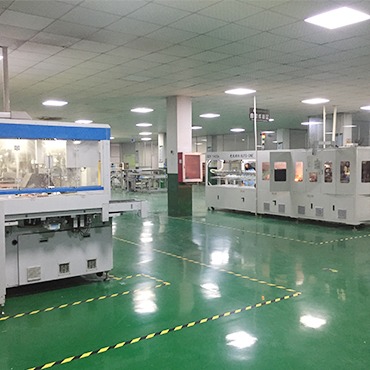
When evaluating a manufacturing partner among the top 10 exporters, procurement specialists must cross-reference their automated assembly line capability. Gigafactories implementing Industry 4.0 automation consistently report defect rates below 10 DPPM (Defects Per Million Opportunities), ensuring that large-scale utility projects operate without premature module failures.
Strategic sourcing frameworks for international EPCs, utility developers, and energy distributors.
Procuring solar battery storage on a global scale demands strict risk management frameworks. The transition from legacy lead-acid systems to lithium-based chemistry requires different transport, installation, and end-of-life compliance protocols. The table below illustrates the critical evaluation vectors for international logistics:
| Procurement Factor | Legacy Standards (Lead-Acid / Early Lithium) | Modern Tier-1 Exporter Standards | Impact on Project LCOS |
|---|---|---|---|
| Cell Chemistry & Density | LiFePO4 (LFP) Cylindrical (120 Wh/kg) | LFP Prismatic / Solid-state hybrid (180+ Wh/kg) | Reduces structural footprint by up to 35% |
| Logistics Compliance | Basic MSDS & standard ocean freight shipping | UN38.3, Class 9 Hazardous Goods Certification | Ensures customs clearance without costly delays |
| Bankability | No third-party testing reports | BloombergNEF Tier 1 listing, DNV GL validation | Crucial for securing non-recourse project financing |
| Thermal Management | Forced air cooling (high aux consumption) | Intelligent liquid-cooling loops (<3°C cell delta) | Extends overall lifetime by 20% |
To secure a reliable supply of materials, many EPC companies now choose partners who offer multi-regional production footprints. This structure circumvents localized tariff changes and logistical bottlenecks, ensuring that utility-scale deployments hit their targeted Commercial Operation Date (COD).
Analyzing future chemical formulations and grid-forming inverter integration.
By eliminating liquid organic electrolytes, next-gen systems prevent thermal runaway even under mechanical puncture. Exporters are scaling test facilities to move semi-solid cells into commercial production by late 2026.
For applications where energy density is secondary to cost—such as stationary grid buffers—sodium-ion batteries offer an excellent alternative. Immune to lithium price shocks, they perform better in cold climates.
Future BESS units will not simply follow the grid; they will form it. Advanced hybrid inverters use virtual synchronous machine (VSM) algorithms to inject dynamic grid support, stabilizing voltage and frequency autonomously.
How modular energy storage structures address complex electrical scenarios.
Modern commercial and industrial (C&I) sectors face complex electrical challenges: high peak-demand charges, power quality issues, and the threat of grid blackouts. System developers address these concerns through tailored macro-level configurations:
By monitoring power draw at the main utility meter, the EMS commands the BESS to discharge during periods of high demand. This lowers the facility's peak demand tariff, resulting in significant savings on operational utility bills.
Remote industrial sites, such as mining facilities or agricultural centers, combine solar PV with battery storage and diesel backup. The battery acts as the primary voltage source, reducing diesel consumption by up to 80%.
In regions with dynamic pricing or wholesale power markets, mega-BESS installations absorb cheap energy during midday generation peaks and discharge during high-value evening windows, boosting revenue profiles.
Meeting stringent local standards to facilitate smooth grid interconnection.
Securing grid connection authorization is often the most complex phase of a battery project. Exporters must provide comprehensive certification portfolios to satisfy local utilities and municipal safety inspectors:
Essential for North American deployments. Evaluates thermal runaway fire propagation at the cell, module, and system level.
The global benchmark for safety requirements for secondary lithium cells and batteries in industrial applications.
Defines the interconnection requirements for generating plants intended to operate in parallel with distribution networks in Europe.
Ensures that battery modules are safely transported via land, air, and sea without risk of fire or thermal incident.
Providing comprehensive solar, mounting, and system maintenance solutions globally.

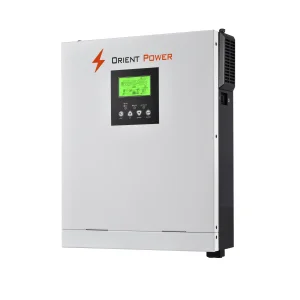
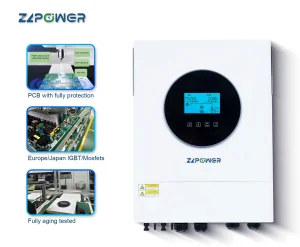
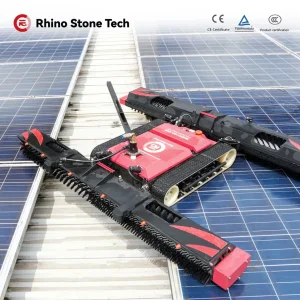
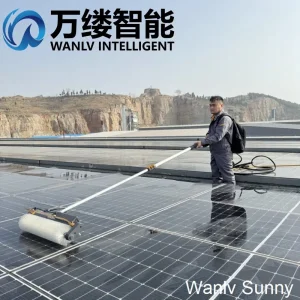
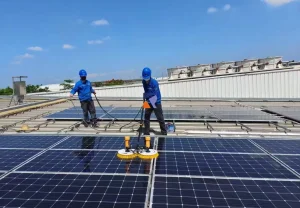
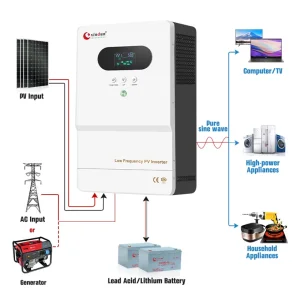
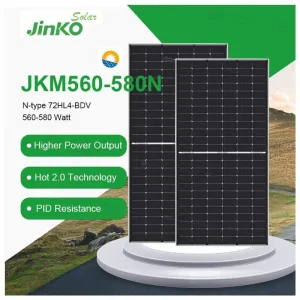
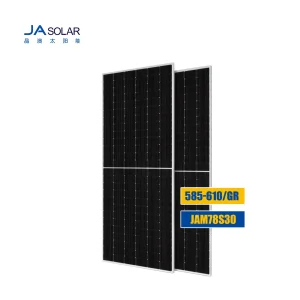
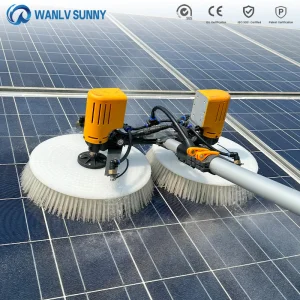
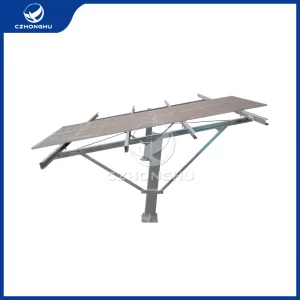
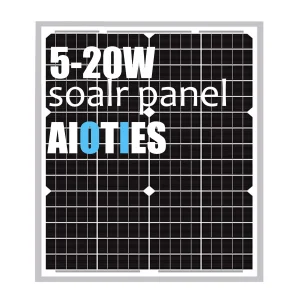
We mainly provide photovoltaic solar panels and solar mounting systems, solar inverters, and solar panel cleaning machines. We specialize in R&D, manufacturing, system integration, sales and service. With a professional team of system and technical engineers, we provide reliable and trustworthy system solutions designed to facilitate your transition to clean energy. We are determined to become a comprehensive, one-stop solar energy supplier, continuing to innovate and improve our renewable energy portfolio to help create a cleaner, brighter world.

Our company follows the ISO9001 quality system strictly. All products are certified by CE. With excellent quality and an established market presence, our solar panels, mounting systems, and cleaning machines are exported to over 100 countries worldwide.

We back our products with solid warranties and offer options for extensions. Our technical support team assists clients with troubleshooting via video call, email, or telephone. We aim to build long-term relationships with continuous assistance.
As an integrated solar energy provider, we collaborate with partners across various sectors to supply diverse solutions to our clients, including specialized accessories and industrial materials.
 |
 |
 |
 |
Technical answers to critical integration, logistics, and longevity questions.
LFP chemistry offers significant safety advantages over NMC. It features a higher thermal runaway threshold (approx. 270°C vs 210°C) and does not release oxygen during decomposition. Additionally, LFP delivers a longer cycle life (often exceeding 6,000 cycles at 80% Depth of Discharge) compared to NMC, resulting in a more favorable Levelized Cost of Storage (LCOS).
Degradation is driven by temperature and charge rate (C-rate). Operating cells above 35°C accelerates solid electrolyte interphase (SEI) layer growth, reducing capacity. Modern BESS utilize active liquid cooling systems to maintain internal cell temperatures between 20°C and 28°C, extending pack lifetime by up to 30% compared to standard air-cooled configurations.
Proper sizing balances peak power output requirements (kW) with total energy capacity (kWh). Under-sizing leads to high C-rate cycling, which accelerates degradation, while over-sizing increases capital expenditure (CAPEX). Incorporating dynamic simulation software during system design helps map historical load profiles to optimize sizing configuration.
Interconnection standards vary by region, but projects generally require compliance with IEEE 1547 (US) or EN 50549 (EU). These standards govern anti-islanding protection, low/over-voltage ride-through capabilities, and reactive power control. Exporters supply compliant inverter parameter files to match local electrical configurations.
Monitoring relies on multi-layer Battery Management Systems (BMS). The system measures cell-level voltage, module-level temperature, and pack current. This data is fed into central controller algorithms that estimate State of Charge (SoC) and State of Health (SoH) in real-time, providing early warnings for anomalous cells.
Ensure maximum generation efficiency and structural stability with industrial-grade accessories.

 Stuart Solar