As the global imperative for carbon neutrality accelerates, utility-scale developers and industrial operations are scrutinizing capital expenditures (CAPEX) and long-term levelized cost of energy (LCOE) projections. While monocrystalline silicon has captured significant headlines, Polycrystalline Solar Cells (also referred to as multi-crystalline silicon or mc-Si) continue to serve as a vital cornerstone for global commercial solar deployments. They offer a highly stabilized, resource-efficient, and cost-effective alternative for projects spanning large-scale desert installations to vast commercial rooftops.
Polycrystalline cells utilize multi-directional silicon crystal matrices. The fabrication process—primarily casting molten silicon instead of pulling single-crystal ingots via the Czochralski method—inherently generates less silicon waste. This delivers a direct pricing advantage of up to 15-20% per watt at the raw cell level, allowing EPC firms to configure ultra-competitive bidding structures for large-scale municipal bids.
For regions characterized by high solar irradiance levels—such as parts of South America, the Middle East, and sub-Saharan Africa—the marginally lower nominal efficiency of polycrystalline panels is mitigated by abundant sunlight and larger land availability. Under these geographic conditions, the net LCOE can be equal to, or occasionally lower than, monocrystalline setups because of the reduced upfront capital requirements.
Polycrystalline solar cell development is far from static. Leading research centers in China have introduced sophisticated manufacturing techniques to mitigate traditional microstructural weaknesses. Understanding these metallurgical upgrades is critical for global distributors and solar project planners.
Black Silicon (wet-chemical texturing using metal-assisted chemical etching or reactive-ion etching) has revolutionized multi-crystalline light absorption. By trapping more incoming photons at steep angles, it boosts performance in low-light environments.
Modern passivation techniques using hydrogen-passivated defect states have significantly curbed Light-Induced Degradation (LID) and Light and elevated Temperature-Induced Degradation (LeTID). This ensures output remains within strict tolerance thresholds over decades.
Transitioning from 5BB to 9BB or 12BB designs shortens the path electrons travel to the electrodes. This lowers internal resistance, reduces shaded cell space, and minimizes the risk of cell micro-cracks progressing into inactive zones.
Looking ahead, hybrid technological pathways are emerging. Research into polycrystalline silicon-perovskite tandem configurations promises a future quantum leap in conversion efficiencies while preserving the capital cost benefits of casting-based production.
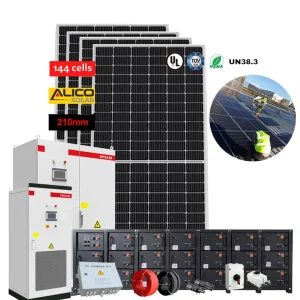
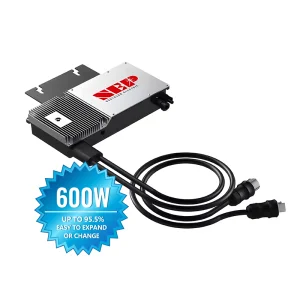
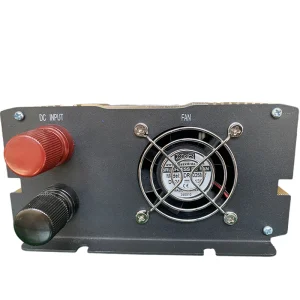
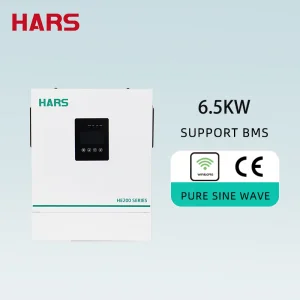
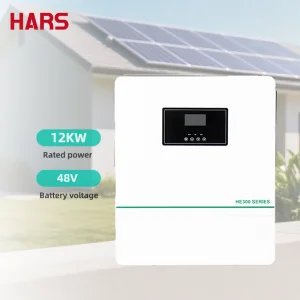
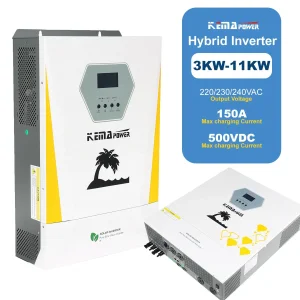
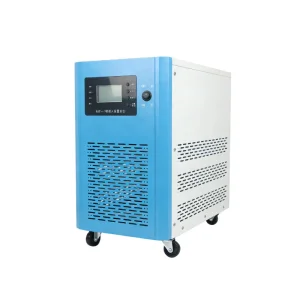
Polycrystalline cell architectures are widely deployed in complex, integrated infrastructure layouts. A single component cannot maximize energy yield independently; it must be integrated with intelligent balance of system (BOS) components.
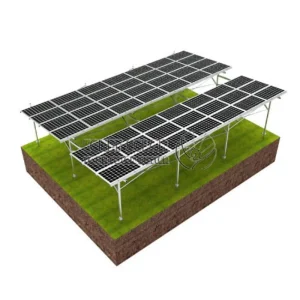
In global agricultural projects, polycrystalline-driven power grids supply remote irrigation networks, lighting, and sorting storage systems. Ground-mount trackers optimize spatial layouts to allow co-cultivation of crops below, protecting the soil from evaporation while ensuring reliable local clean energy distribution.
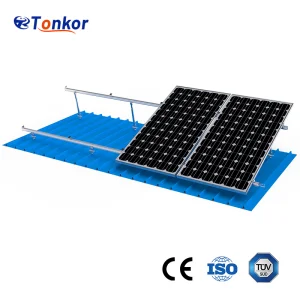
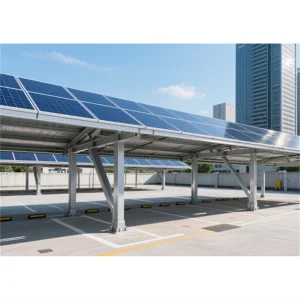
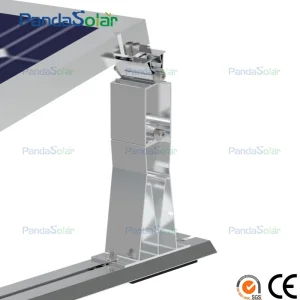
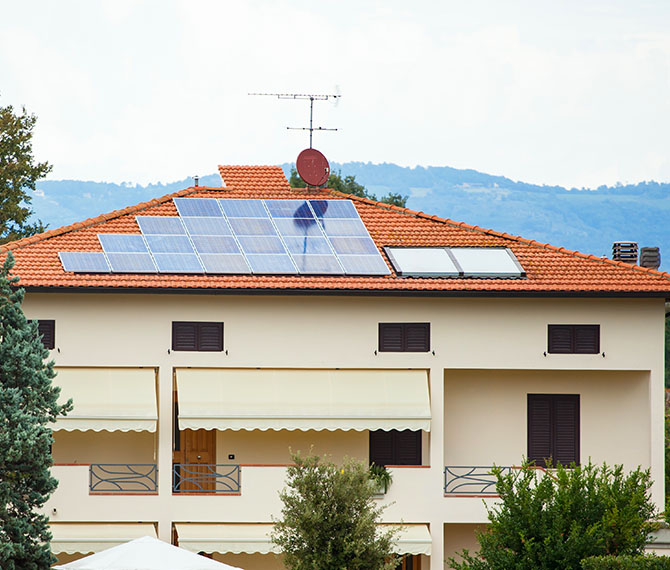
Flat industrial roofs utilize customized aluminum mounting structures configured for high wind loads. When combined with lightweight, robust polycrystalline modules, they provide a reliable source of power for factory machinery, vehicle charging stations, and logistics hubs.
We are a dedicated manufacturer, system integrator, and R&D center specializing in high-performance photovoltaic solar panels, solar mounting systems, solar inverters, and automated cleaning machines. Our integrated engineering team works closely with project developers to provide reliable, professional turnkey solar solutions tailored to the needs of the modern energy market.
Driven by the goal of becoming a "one-stop solar energy supplier," we continuous innovate to help commercial, agricultural, and industrial enterprises transition to clean power while reducing capital and operating expenses.

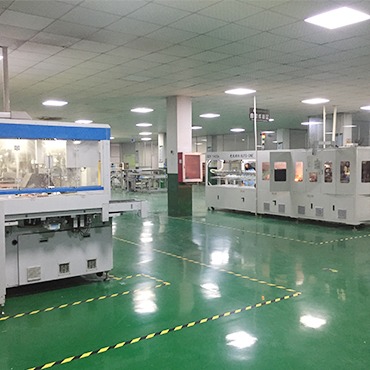
Our manufacturing processes align with ISO9001 quality management systems. All systems carry CE, TUV, and UL certifications, meeting strict performance standards for utility grids. Our products have been exported to over 100 countries worldwide, proving their long-term durability in diverse climates.

We provide comprehensive product warranties with options for extension. Our technical support team assists customers with installation planning, system troubleshooting, and performance tuning via video consultations, phone, and direct email support to ensure stable operation over the project's lifetime.
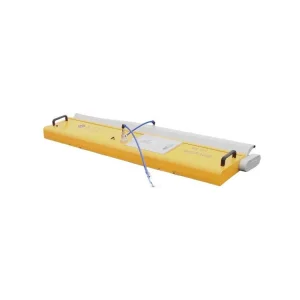
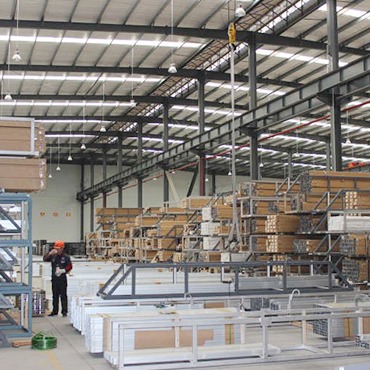
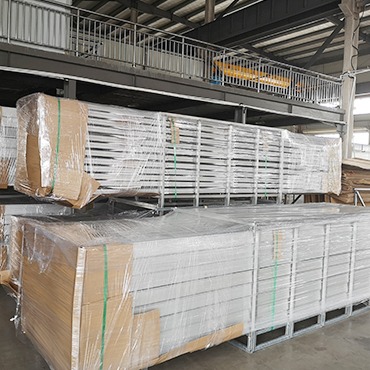
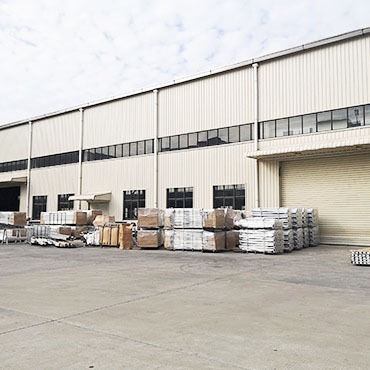
To meet the logistical and operational needs of modern commercial sites, we cooperate with companies across different sectors to supply complementary products—including high-durability surface pads, safety equipment, and industrial mats—providing a reliable supply chain for diverse installations.
 |
 |
 |
 |
For international buyers and procurement officers, selecting a supplier in China requires careful evaluation of certification alignment and logistic capabilities. Standardized testing guarantees that products will perform reliably under demanding field conditions.
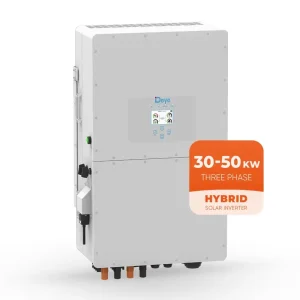
Our complete systems meet grid-connection standards such as UL 1741, IEEE 1547, and EN 50549. These certifications ensure that our hybrid and off-grid inverters integrate smoothly with local utility networks and comply with safety regulations, preventing delay-causing compliance hurdles during inspection.
We provide extensive custom manufacturing services. From tailoring brackets to match local wind and snow loads to modifying inverter outputs (such as three-phase 380V or split-phase 120V/240V systems), our engineering team designs systems that align with your site's physical and electrical requirements.
 Stuart Solar