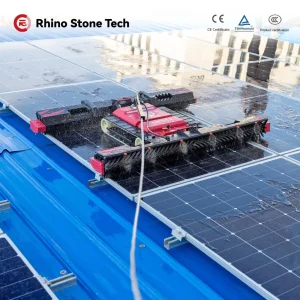
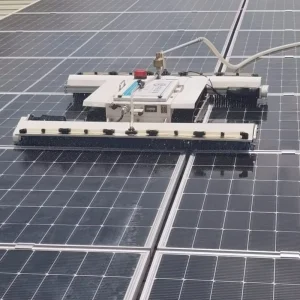
Engineered for high resilience, minimal water footprint, and maximum dirt clearance. Optimized specifically for the high-salinity and coral-dust microclimates of Kiribati's main atolls.
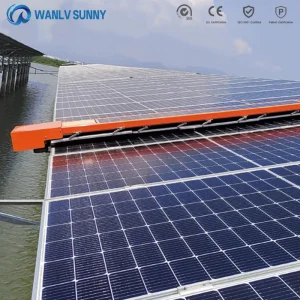
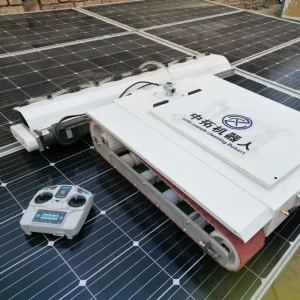
Kiribati, an island nation spanning 33 atolls in the central Pacific Ocean, is at the forefront of the global energy transition. High energy costs from imported diesel, coupled with the existential threats of climate change, have driven a robust push toward decentralized Photovoltaic (PV) power systems. However, generating solar energy in an equatorial marine environment presents extreme challenges that directly threaten investment returns.
"Without regular, specialized maintenance, solar arrays in tropical Pacific environments can lose up to 35% of their generating capacity within weeks due to salt crusting, avian guano, and airborne coral dust."
Conventional manual cleaning methods pose high risks to the physical integrity of PV modules and lead to massive water waste in a region where fresh water is one of the most critical and scarce resources. Consequently, automatic and semi-automatic solar panel cleaning systems have become vital infrastructure assets, securing optimal energy output and preserving the longevity of PV components.
Modern Operations and Maintenance (O&M) has transitioned from manual labor to intelligent, water-conservative, and highly autonomous automated systems. To serve isolated locations like South Tarawa, Betio, and Kiritimati, cleaning technology must prioritize self-reliance, durability, and low logistical overhead.
By employing specially engineered, anti-static spiral microfibers alongside high-speed rotational mechanics, our robots sweep away loose dust and particulate matter without consuming a drop of precious island fresh water.
Our machinery features structural alloys made from marine-grade anodized aluminum and type 316 stainless steel. Sealed electronics modules with IP67 protection prevent moisture and salt vapor intrusion.
Standardized on high-capacity LiFePO4 batteries, our automated cleaning machines operate reliably under extreme equatorial temperatures, providing extended runtimes and a lifespan exceeding 2,000 charge cycles.
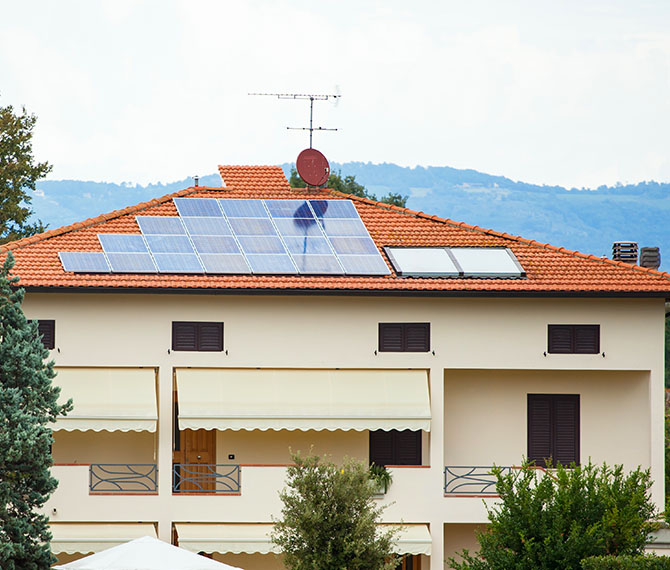
Operating in Oceania requires robust logistics and unparalleled durability. We understand that importing spare parts to remote nations like Kiribati can involve lengthy customs clearings and transit times. Thus, our equipment and design frameworks follow a strictly modular engineering methodology.
All structural fasteners, electronic relays, and motor brushes are standardized and designed for easy swap-outs, allowing local technicians to complete routine O&M tasks using standard hand tools. We provide remote, high-definition video support, comprehensive training manuals, and complete spare parts packages shipped directly to the ports of Betio and Kiritimati.
| Standard Requirement | Our Machinery Specification | Benefit for Kiribati PV Sites |
|---|---|---|
| Corrosion Standard | ASTM B117 Salt Spray Test >1000 Hours | Ensures zero mechanical seizing under permanent marine coastal conditions. |
| Water Efficiency | 0.15 - 0.25 L per m² (Wet Mode) / 0 L (Dry Mode) | Preserves limited rainwater reserves on low-lying atolls. |
| Certifications | CE, ISO9001, RoHS, Battery UN38.3 | Guarantees safety compliance for institutional & government-funded projects. |
Every commercial, industrial, or rural off-grid solar installation requires a specific maintenance regimen tailored to its physical site and scale.
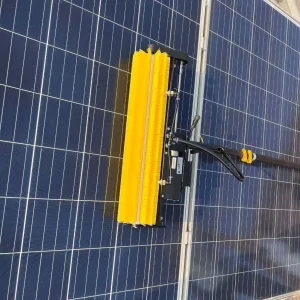
High density C&I arrays in South Tarawa cope with soot from small diesel generators and fine coral dust. Portable, manually driven, or semi-automatic roller systems allow swift, safe access across complex metal rooftops and tightly spaced panel clusters.
Larger solar grids require systematic, daily cleaning cycles. Our autonomous, track-guided robotic systems can run on pre-programmed schedules, traveling from panel to panel without a human operator, ensuring consistent, high-yield power generation.
Critical drinking water pumping systems rely completely on small, highly reliable solar arrays. Light, rugged, portable cleaning tools with built-in lithium battery packs ensure that local operators can clean arrays in under ten minutes.
We mainly provide photovoltaic solar panels and solar mounting systems, solar inverters, and solar panel cleaning machines. We specialize in R&D, manufacturing, system integration, sales and service. Have a professional system engineer team and technical team to provide you with professional, reliable and trustworthy system solutions. We are determined to become a "one-stop solar energy supplier". We will continue to innovate and improve its renewable energy product portfolio to help create a cleaner and brighter world.

Our company follows ISO9001 quality system strictly. All products are certified by CE. With excellent quality and good reputation, Solar Panel, Solar System, and Solar Cleaning Machine has been exported to more 100 different countries in the worldwide.

We offer all products with a warranty (extended support options available). Our professional technical team will help solve operation and setup questions via Video, Phone call, Email, etc. We aim to ensure every customer receives top-tier service from the beginning and lasts for years—our relationship never ends. We always welcome you to reach out with any questions regarding solar energy products.
We are a professional solar energy company, and we also cooperate with many companies in different industries to bring customers different products, such as yoga mats.
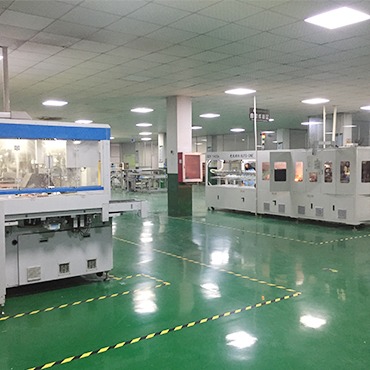
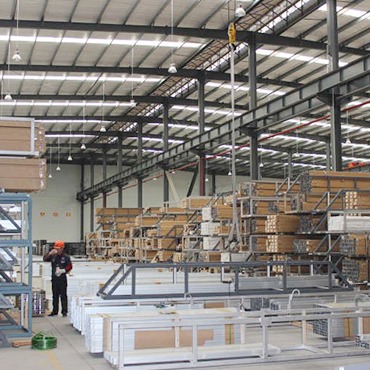
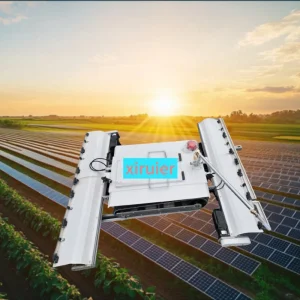
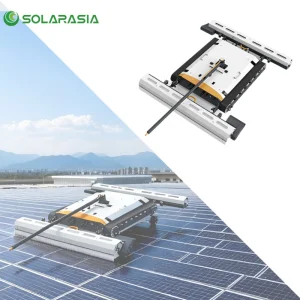
Explore our complete lineup of certified autonomous cleaning systems and manual-assist machinery, optimized for maritime climates and distributed solar farms.
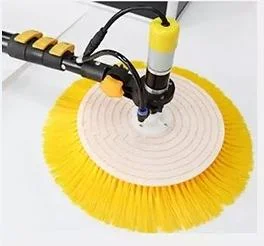
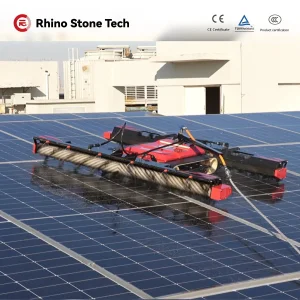
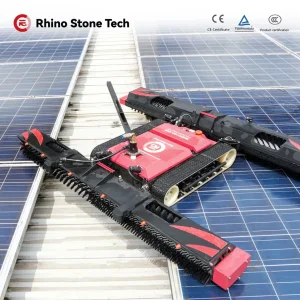
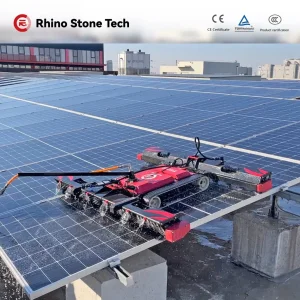
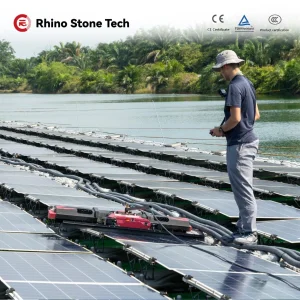
As PV projects scale across the Pacific, cleaning technology must evolve alongside. Our future technical design roadmap centers on two primary goals: smart optimization and zero water consumption.
By integrating optical sensors and intelligent current monitoring, future iterations of our robots can calculate localized soiling ratios in real time. The robot only deploys when and where cleaning is needed, reducing physical wear and energy consumption.
To eliminate chemical cleaning agents, we are testing high-frequency ultrasonic transducers. By applying low-power waves to the cleaning mechanism, we can dislodge salt and coral crusts without micro-scratching the glass cover.
Answering key operations and maintenance questions regarding solar arrays in high-humidity, marine environment configurations.
We strongly advise against using harsh chemical cleaning agents. Our automatic and semi-automatic systems are designed to clean panels using pure water or specialized dry-cleaning microfibers. This prevents chemical degradation of the panel coatings and eliminates the risk of toxic runoff into sensitive groundwater lens systems or coastal lagoons.
Dry cleaning is highly effective for loose coral dust, dirt, and dry particulate matter. However, marine salt spray creates a sticky, crystalline crust that bonds with the glass. For coastal arrays facing heavy marine spray, a water-assisted cycle (using low-flow demineralized water) is recommended to dissolve the salt crystals before the brush sweeps the surface, preventing abrasions.
Our autonomous and semi-autonomous models feature wind-load mitigation profiles, low-profile designs, and track-based grips. Autonomous models can be programmed to halt cleaning cycles and return to dock when ambient wind speeds exceed 15 m/s, preventing tipping or physical displacement.
Yes. Our engineering process focuses on self-reliance. We use off-the-shelf standardized bearing assemblies, simple modular wiring runs, and quick-change brush brackets. We supply local solar technicians in Kiribati with clear maintenance guides and spare part packages, reducing dependencies on foreign engineers.
Avian guano creates dark, localized spots that absorb heat, causing hot-spotting which can degrade cells. Our dual-brush and water-fed pole systems use targeted rotating scrubbing action to safely lift and dissolve stubborn guano without scratching the glass.
Don't let salt crusting and tropical coral dust degrade your solar power yield. Partner with a specialized manufacturer of certified automatic and semi-automatic solar panel cleaning systems.
Send Inquiry Now Stuart Solar