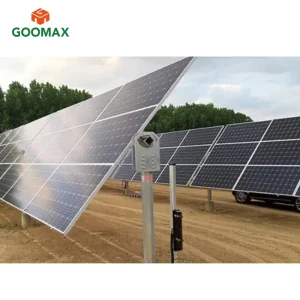
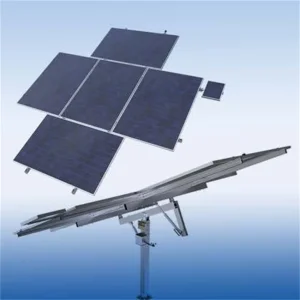
Tracking Solar Mounting Systems Manufacturers & Exporters serving Libya

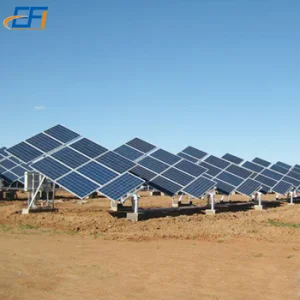
Industrial-Grade Single & Dual-Axis Trackers Engineered for High-Wind, Extreme Desert Heat, and Dust Resilience across the Libyan Sahara & Coastal Belts.

3,500+
Peak Sunshine Hours/Yr
Up to 45%
Yield Increase vs Fixed
60 m/s
Wind Load Resistance
C5-M
Anti-Corrosion Rating

The Landscape of Solar Tracking Technology in Libya

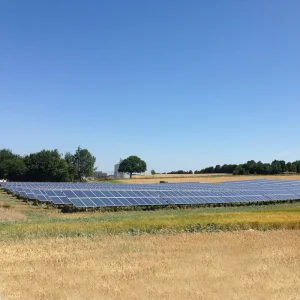
Libya stands at a geographic crossroads of the global energy transition. Situated in the solar belt of North Africa, the nation boasts some of the highest daily solar irradiance levels in the world, averaging between 6.0 and 7.5 kWh/m²/day. As the General Electricity Company of Libya (GECOL) targets massive diversifications to relieve the strain on the national grid, utility-scale photovoltaic deployment has emerged as a key strategic pillar. However, harvesting this immense energy profile requires structural systems that can withstand the severe physical stresses of the Sahara Desert.

Information Gain Insight: While fixed-tilt mounting structures offer mechanical simplicity, they fail to leverage Libya's unique solar track profile. Implementing single or dual-axis tracking systems allows PV installations in regions like Sabha, Kufra, and the Fezzan basin to capture consistent, high-angle radiation from dawn until dusk, elevating overall project internal rate of return (IRR) by up to 25% to 45% compared to static racking configurations.

Libya's Localized Industrial and Environmental Realities

Deploying solar tracking structures in Libya presents design considerations that differ substantially from European or North American conditions. The dominant engineering factor is the Ghibli—a hot, dry, sand-laden wind blowing from the south across the Sahara, capable of carrying millions of tons of abrasive dust and generating wind gusts exceeding 160 km/h. Tracking mounts must be designed with intelligent stowing algorithms that automatically level the panels to zero degrees during high-velocity wind events to reduce drag and mechanical fatigue.

Furthermore, structural corrosion is a dual-threat in Libya. In the northern coastal strip (Tripoli, Benghazi, Misrata), mounting systems are exposed to high humidity and marine salt spray. In the southern desert regions, the primary structural threats are extreme daytime temperatures reaching 55°C, high thermal expansion coefficients in metal frames, and the constant abrasive effect of wind-blown sand. To counter these challenges, structural components must utilize hot-dip galvanized steel (HDG) with zinc coating thickness exceeding 85 microns or premium Zinc-Aluminum-Magnesium (ZAM) coatings, paired with IP67 or IP68 dust-proof, sand-resistant slewing drives and intelligent control boxes.

Global & Chinese Manufacturing and Supply Chain Advantages

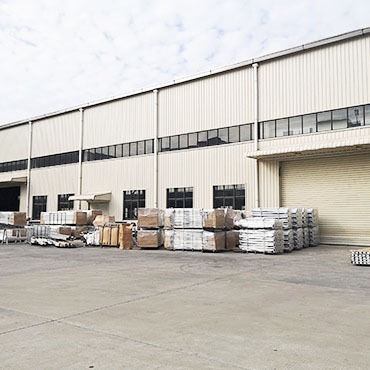
The global tracking market is heavily driven by technological innovations in control systems, mechanical actuators, and structural material sciences. Chinese manufacturers lead this field, accounting for over 70% of the world's solar mounting supply chain. This dominance is not simply a matter of cost; it is built on vertical integration, precision manufacturing, and continuous R&D.

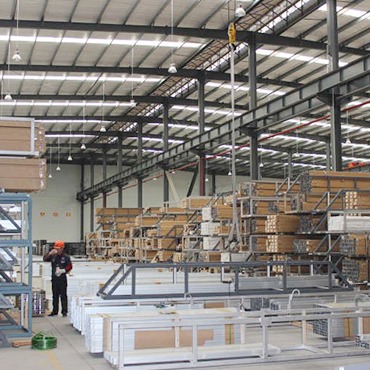
Our state-of-the-art Chinese manufacturing facilities offer distinct efficiency advantages:

  • Advanced Metallurgical Controls: Leveraging high-tensile structural steel (Q355B or Q420) from tier-1 steel mills, processed through fully automated laser cutting and multi-point automated punching systems. This ensures tolerances are kept below 0.5mm, streamlining field installation.
  • Optimized Hot-Dip Galvanization: By operating closely integrated chemical plating and galvanizing lines, we ensure uniform zinc thickness that exceeds ISO 1461 standards, critical for preventing rusting under Libya's harsh saline coastal air.
  • Smart Tracking Algorithms: Systems integrated with AI-driven astronomical tracking algorithms and real-time smart backtracking functions to prevent inter-row shading during morning and evening hours. This maximizes electricity output in dense field layouts.
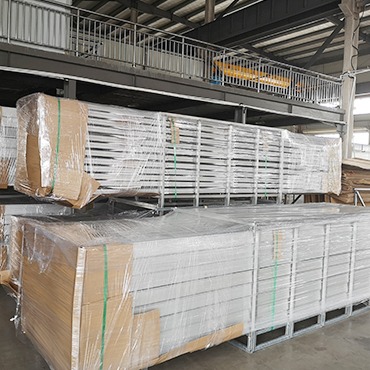
  • Scalable Supply Chain & Port Logistics: Direct shipping routes from major ports in China to Libyan gateways like Tripoli, Misrata, and Benghazi, minimizing transit durations and reducing transport damage via heavy-duty anti-humidity maritime packing.

Localized Application Scenarios in Libya

Understanding where and how these systems are deployed defines the engineering parameters. We categorize Libyan deployments into three main high-yield scenarios:

Desert Utility IPP Projects

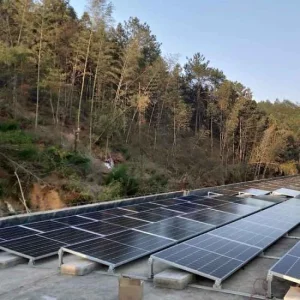
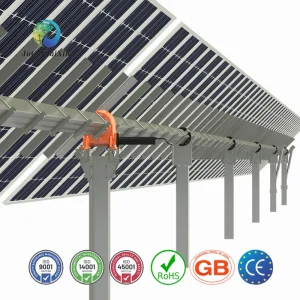
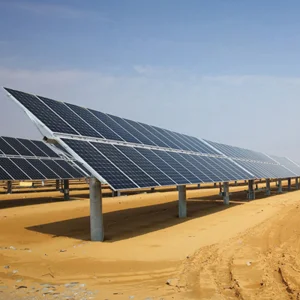
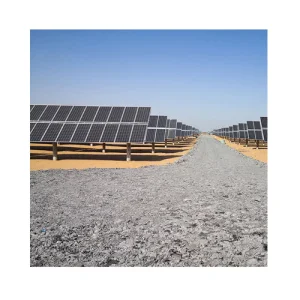
Multi-megawatt PV installations in desert flatlands require robust single-axis trackers with centralized drive units. These systems utilize tracking limits up to 60 degrees to maximize output while maintaining a low profiles during extreme wind shear.

Off-Grid Oil & Gas Extraction

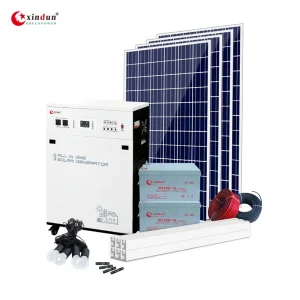
Oil fields in the Sirte Basin rely heavily on off-grid microgrids. Tracking structures integrated with hybrid lithium-battery configurations provide consistent, stable power generation, minimizing fuel transport costs for diesel generators.

Agricultural Solar Pumping

In regions utilizing water from the Great Man-Made River project, tracking-powered PV plants operate high-yield water extraction pumps. The single-axis tracking aligns with the agricultural pumping demand curve, matching peak water demand periods.

By tailoring our structural engineering to these specific regional profiles, we protect developers from structural failures due to soil shifting, wind loading, or tracking failures caused by dust penetration in crucial drive components.

Our Commitment to E-E-A-T & Industrial Excellence

Why EPC contractors, project developers, and state utilities trust our tracking structures.
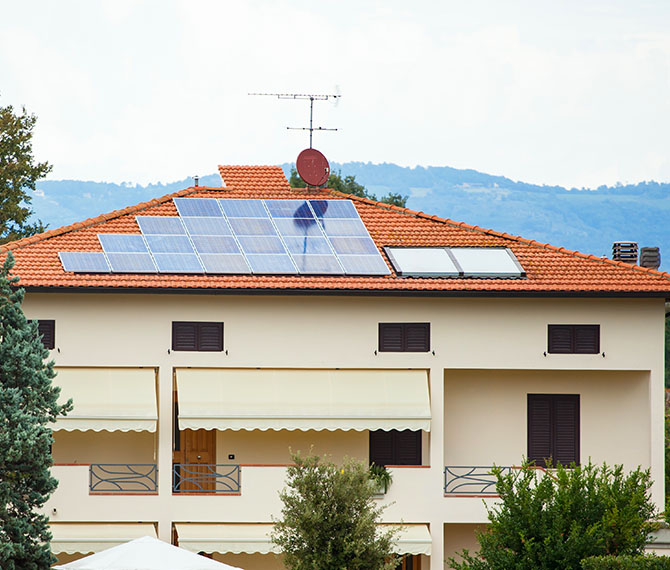
Photovoltaic Solar Panels and Solar Mounting Systems Manufacturing

We mainly provide photovoltaic solar panels and solar mounting systems, solar inverters, and solar panel cleaning machines. We specialize in R&D, manufacturing, system integration, sales and service. Have a professional system engineer team and technical team to provide you with professional, reliable and trustworthy system solutions. We are determined to become a "one-stop solar energy supplier". We will continue to innovate and improve its renewable energy product portfolio to help create a cleaner and brighter world.

Quality Control Icon

Quality Control

Our company follows ISO9001 quality system strictly. All products are certified by CE. With excellent quality and good reputation, Solar Panel, Solar System, and Solar Cleaning Machine has been exported to more than 100 different countries worldwide, meeting local grid regulations and international standards.

After-sales Icon

After-sales Worry-free

We offer all products with a warranty (extend supported). Our professional technical team helps solve questions via Video, Phone call, Email, etc. We aim to ensure every customer receives the best service from the beginning and lasts for years; our relationship never ends.

Partner Network

We are a professional solar energy company, and we also cooperate with many companies in different industries to bring customers different products, ensuring holistic multi-sector industrial solutions across North Africa.
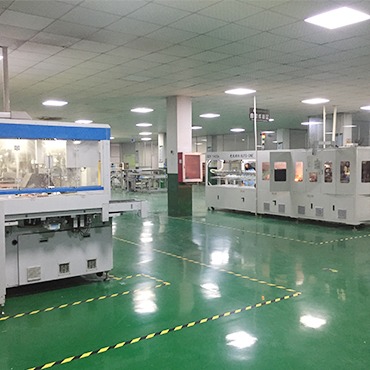
Verified Supplier Certifications & Network

Partner Logo 1
Partner Logo 2
Partner Logo 3
Partner Logo 4

Technical & Procurement FAQ

Answers to common structural engineering, logistics, and deployment queries from EPC companies working in Libya.

Q1: What wind speed threshold are your tracking solar mounting systems certified for?
Our systems undergo rigorous wind tunnel testing and are certified to withstand static and dynamic wind loads up to 60 m/s (approx. 216 km/h). During wind speeds exceeding customizable safety parameters (usually 18–22 m/s), our smart controllers trigger the automated stow-position (0° or 45° angle) to minimize torsional flutter and structural load on the foundation piles.
Q2: How do your tracking systems combat dust, sand, and sandstorms (Ghibli) in Libya?
We utilize high-grade IP66 or IP67-rated enclosures for all electronic control units (PLC or MCU). The mechanical slewing drives are fully sealed, utilizing synthetic lubricants designed to operate reliably under temperatures up to 80°C without attracting particulate dust. The tracking systems also incorporate a "dust cleaning cycle" mode that tilts modules to a high angle at set times to facilitate gravity-assisted sand shedding.
Q3: Which anti-corrosion standards do you apply for coastal vs. desert sites?
For coastal zones (high humidity and marine salinity), we recommend Hot-Dip Galvanized steel (HDG) coating with an average thickness of 80 to 110 microns conforming to ISO 1461, or customized Zinc-Aluminum-Magnesium (ZAM) structural coating. For inland desert projects where sand abrasion is the primary issue, we utilize pre-galvanized structures protected by extra-thick passive protective oxide films.
Q4: What drive mechanisms are used in your single and dual-axis tracking systems?
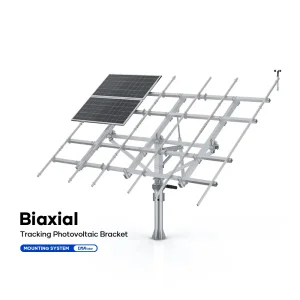
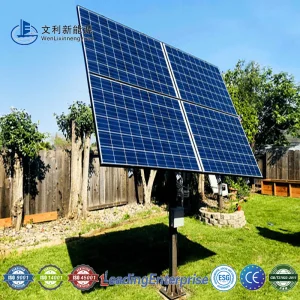
Our single-axis trackers use either centralized slewing drive motors with link-rod systems (ideal for flat, rectangular utility terrains) or decentralized linear actuators. Our dual-axis trackers employ dual slew-drive systems with dual-axis controllers driven by astronomical algorithms combined with GPS-based location tracking to capture both azimuth and elevation adjustments.
Q5: Can these trackers be mounted on concrete ballasted foundations for Libyan flat roofs?
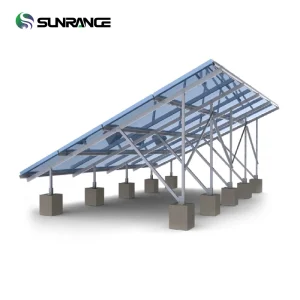
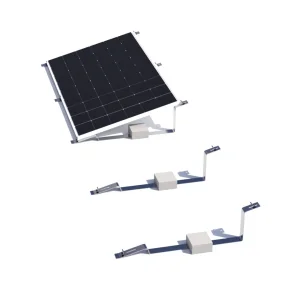
Yes. While ground-mounted systems typically use rammed steel C/H piles or helical screws, our tracking systems are fully compatible with concrete ballast foundations, enabling safe structural tracking on solid flat roofs in commercial or industrial zones in cities like Tripoli and Benghazi.
Q6: How does backtracking prevent self-shading, and what yield improvement can we expect?
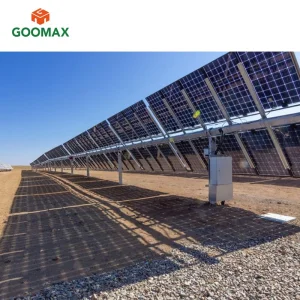
Backtracking calculates the sun’s angle during sunrise and sunset. Instead of pointing directly at the horizon and throwing shade onto the subsequent row, the controller slightly backs off the tracking angle. This eliminates inter-row shading, allowing higher ground coverage ratios (GCR) and maximizing power generation during the high-value early morning and late afternoon periods.
Q7: What is the transit lead time from your Chinese factory to Libyan ports?
Typically, manufacturing takes 20 to 30 days depending on project size and structural customisation. Sea shipping from major Chinese ports (Ningbo, Shanghai, Shenzhen) to Libyan ports (Tripoli, Misrata, El-Khoms) takes between 30 and 45 days. We handle export documentation, certified structural drawings, and custom clearance logistics support.
Q8: How do you handle field commissioning support and remote troubleshooting?
Every shipment includes a detailed, step-by-step mechanical assembly manual and wiring diagrams. For large utility-scale systems, our technical team provides on-site field training or remote supervision support via real-time video link. The solar tracking controllers also support remote telemetry systems, allowing our engineers in China to review diagnostic reports and debug controller firmware remotely.

Ready to Engineer Your Solar Project in Libya?

Get in touch with our design engineers and project estimators for customized structural wind-load simulations, layout designs, and competitive pricing.

Send Inquiry Now