Engineered to maximize rear-side albedo energy gain, support high-capacity loads, and streamline installation.
The global energy landscape is transitioning rapidly from conventional monofacial photovoltaic systems to advanced bifacial solar cells. Bifacial cells absorb sunlight from both the front and rear surfaces, capturing reflected light (albedo) from the ground, nearby structures, and diffuse atmospheric light. This dual-sided generation capacity significantly enhances the energy yield per square meter, altering the financial economics of utility-scale and commercial & industrial (C&I) installations worldwide.
Driven by the maturation of N-type silicon technology, specifically **Tunnel Oxide Passivated Contact (TOPCon)** and **Heterojunction Technology (HJT)**, bifacial solar modules are establishing new benchmarks. While traditional p-type PERC cells offered bifaciality factors of around 65-70%, modern N-type TOPCon bifacial cells regularly exceed 80-85% bifaciality. This technological leap allows developers to optimize the Levelized Cost of Energy (LCOE), turning previously unviable low-irradiance project sites into high-yielding energy assets.
Annual Generation Yield (MWh) based on Albedo Coefficient
How technical directors and procurement managers evaluate bifacial suppliers to mitigate financial risks and guarantee 30-year operational lifetimes.
Procurement teams demand certified bifaciality factors exceeding 80%. When paired with single-axis tracking systems, the optimization of ground albedo (via light-colored gravel, membranes, or natural groundcover) ensures dual-sided modules capture maximum reflected irradiance, translating directly to project IRR boosts.
Double-glass bifacial modules are naturally more resilient to environmental stressors. Global standards require rigorous testing for Potential Induced Degradation (PID) and Light Induced Degradation (LID). Our cells employ advanced surface passivation layers to ensure a degradation rate of less than 0.4% annually over a 30-year warranty period.
Bifacial modules utilize a dual-glass structure (typically 2.0mm or 2.5mm tempered glass on both sides) to withstand mechanical loads up to 5400 Pa (front) and 2400 Pa (rear). The absence of a traditional opaque backsheet improves thermal dissipation, keeping operating temperatures lower and improving overall efficiency.
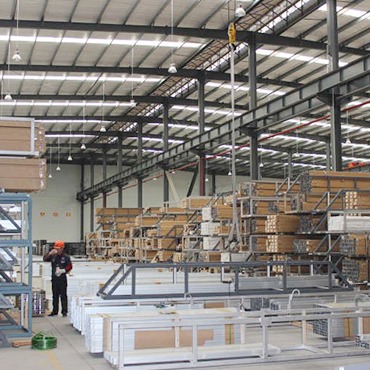
As the world’s leading hub for photovoltaic manufacturing, China's solar supply chain offers unparalleled advantages in raw material sourcing, scale of production, and technology deployment. By leveraging an end-to-end ecosystem—from industrial-grade polysilicon refining and monocrystalline ingot pulling to high-volume wafer slicing and cell passivation—we ensure that material bottlenecks are virtually eliminated.
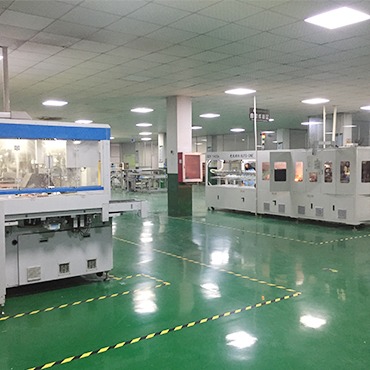
Our smart manufacturing facilities utilize the latest Factory 4.0 protocols. Automated guided vehicles (AGVs), real-time manufacturing execution systems (MES), and automated optical inspection (AOI) guarantee that every batch of bifacial cells meets stringent international tolerances. This level of process control minimizes cell mismatch within modules, decreases micro-cracking during lamination, and increases overall production throughput, allowing us to offer highly competitive pricing without compromising quality.
Understanding how physical environment and mounting structures impact real-world power generation.
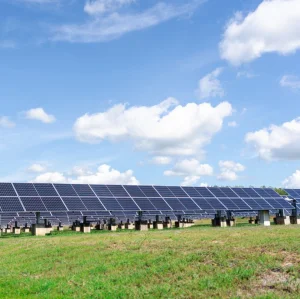
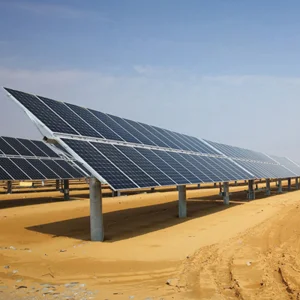
Large-scale ground-mounted projects situated in arid deserts, sandy regions, or areas with frequent snowfall derive the greatest economic benefit from bifacial modules. When paired with single-axis tracking structures, the modules tilt to follow the sun, while the ground surface reflects high levels of albedo to the underside, resulting in up to a 30% increase in energy production over fixed monofacial arrays.
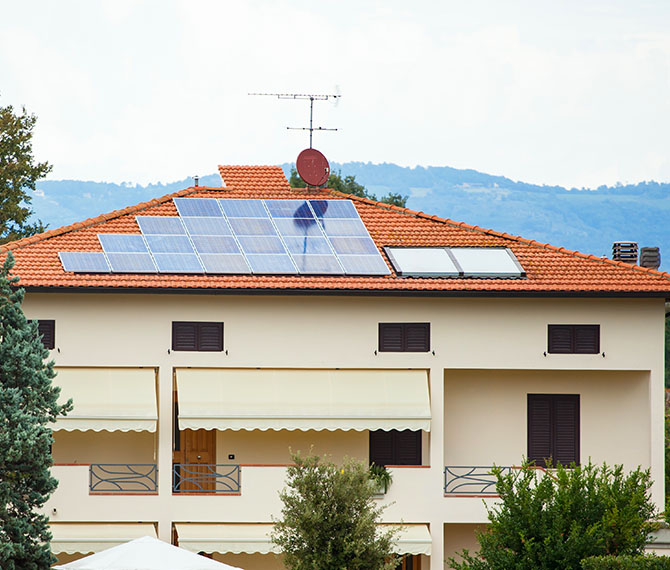
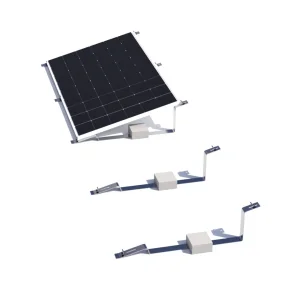
Commercial buildings with concrete flat roofs are ideal candidates. Applying high-albedo coatings (such as white TPO or reflective paint) to the roof surface before installing elevated dual-glass bifacial modules turns the entire rooftop into an active solar reflector, maximizing energy yield even on overcast days.
Vertical or highly elevated bifacial systems allow agricultural machinery to operate beneath the arrays. The dual-sided design allows panels to be mounted facing East-West, capturing generation peaks during the morning and afternoon, while crop growth benefits from partial shading and reduced soil water evaporation.
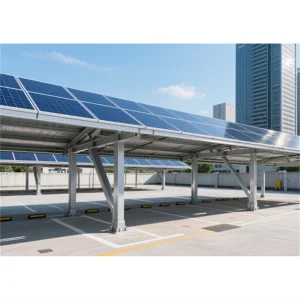
By using bifacial glass-glass modules in carport structures, developers create visually striking, semi-transparent, and high-performance arrays. The light colored parking lot surfaces reflect pavement heat and albedo to the underside, providing higher yield while offering shading and waterproof shelter for vehicles.
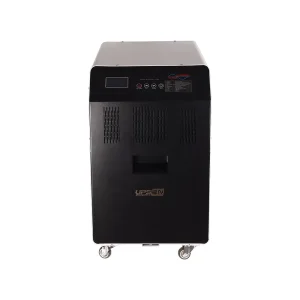
We mainly provide photovoltaic solar panels and solar mounting systems, solar inverters, and solar panel cleaning machines. We specialize in R&D, manufacturing, system integration, sales and service. Have a professional system engineer team and technical team to provide you with professional, reliable and trustworthy system solutions. We are determined to become a "one-stop solar energy supplier". We will continue to innovate and improve its renewable energy product portfolio to help create a cleaner and brighter world.

Our company follows ISO9001 quality system strictly. All products are certified by CE. With excellent quality and good reputation, Solar Panel, Solar System, and Solar Cleaning Machine has been exported to more 100 different countries in the worldwide.

We offers all the products with warranty( extend supported), our professional techinical team will help to solve the questions via Video, Phonecall, Email, etc. We aim to let every customer receives the best service from the begining and lasts for years, our relationship never ends. We are always welcome to meet you while you have any kind of questions with solar energy products.
We are a professional solar energy company, and we also cooperate with many companies in different industries to bring customers different products, such as yoga mats.
Direct technical answers regarding bifacial yield calculation, system design, electrical interfaces, and maintenance.
The rear-side yield is determined by the formula: Rear Yield = Front Irradiance × Albedo Coeff × Bifaciality Factor × Transmission Loss × System Efficiency. Depending on whether you mount panels over high-reflective concrete (0.35 albedo) or snow (0.80 albedo), you can expect a measured energy gain ranging from 8% to over 28% compared to standard monofacial panels of equivalent wattage.
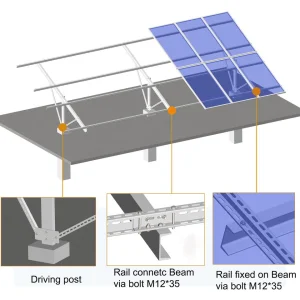
Yes. Traditional mounting rails that run directly behind the panels will create shadow bands on the rear side of the cells, severely degrading albedo performance. We supply specialized high-clearance, narrow-profile mounts and tracking systems designed to minimize backside shading, ensuring the rear side receives unobstructed sky and ground reflection.
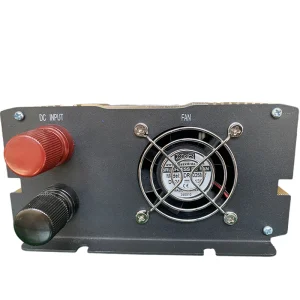
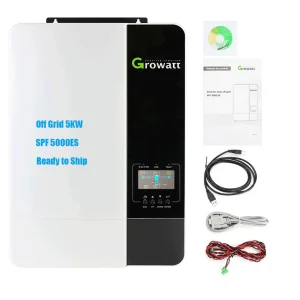
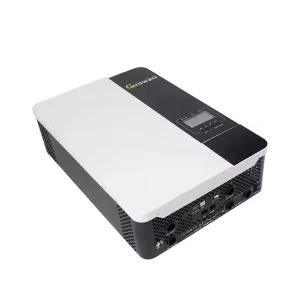
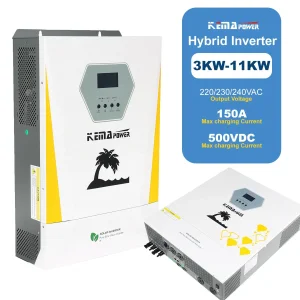
Bifacial panels produce higher current (Imp) due to the rear-side generation. System engineers must choose inverters with adequate DC input currents and configure appropriate DC-to-AC overloading ratios (typically 1.2 to 1.45) to avoid string current clipping during peak albedo periods.
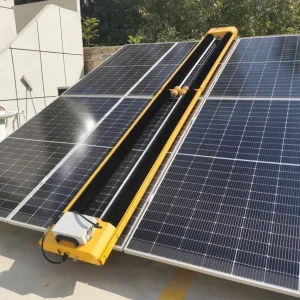
Since dust blockages on the back glass can affect overall albedo yields, we recommend periodic monitoring using automated tools. Pairing your array with our remote control semi-automatic cleaning machines ensures both surfaces are clear of atmospheric grime, maintaining peak efficiency year-round.
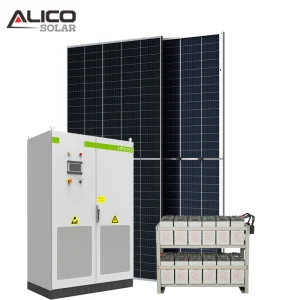
Complete project components to ensure grid compatibility, robust mechanical support, and high-efficiency conversion.
 Stuart Solar