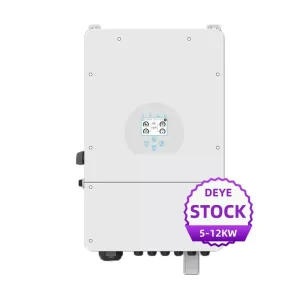
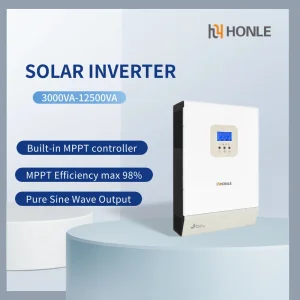
Engineered for high thermal tolerance, dynamic MPPT tracking, and hybrid micro-grid compatibility across Windhoek, Walvis Bay, and Swakopmund.
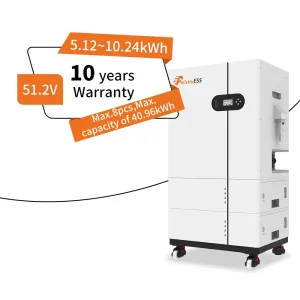
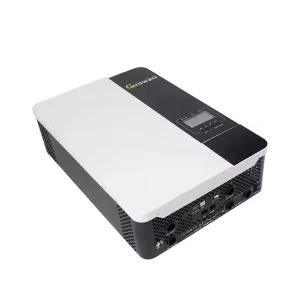
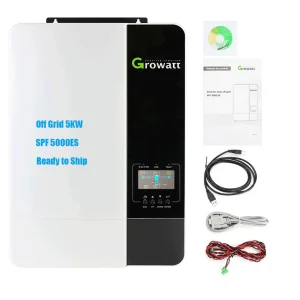
An in-depth analysis of solar integration, thermal derating constraints, and battery topology optimizations in sub-Saharan climates.
Namibia boasts one of the most prolific solar radiation regimes globally, with an average Global Horizontal Irradiation (GHI) exceeding 3,000 kWh/m² annually. Despite this massive solar resource, the country imports up to 60% of its electricity annually from neighboring South Africa via the Southern African Power Pool (SAPP). The growing frequency of load shedding in South Africa directly impacts Namibia's grid stability, threatening the operational uptime of key sectors such as mining in the Erongo Region, agriculture in the central plateau, and eco-tourism lodges in the Namib Desert.
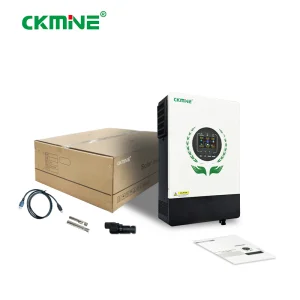
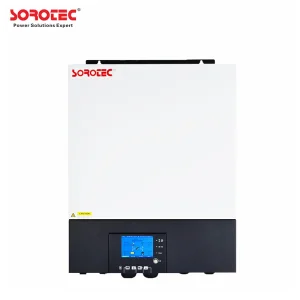
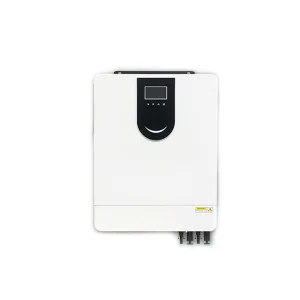
To secure energy sovereignty, Namibian businesses and municipal developers are increasingly turning to localized, hybrid energy systems. In these configurations, an integrated solar inverter and charger serves as the central cognitive core, combining high-speed maximum power point tracking (MPPT) with intelligent bi-directional battery charging. This system effectively bridges the gap between solar PV generation, local storage, and the utility grid, ensuring continuous operation even during complete grid blackouts.
"Under Namibia's Net Metering Rules, consumers who generate their own electricity from solar PV can feed excess power back into the distribution grid. Our integrated systems feature certified anti-islanding protection and precise phase synchronization, making them fully compliant with NamPower’s technical code."
Operating solar power conversion equipment in Namibia presents distinct challenges. High ambient temperatures exceeding 45°C in the summer months lead to severe thermal derating in standard consumer-grade inverters. Standard systems degrade their output capacity rapidly above 40°C to protect internal power electronics (IGBTs and capacitors). Additionally, high atmospheric dust concentration and salt mist in coastal regions like Walvis Bay accelerate the degradation of open-ventilation circuit boards.
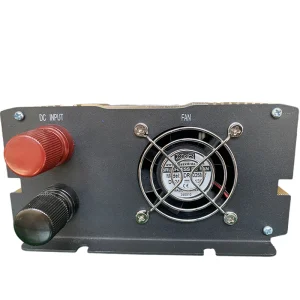
To address these challenges, our heavy-duty industrial integrated inverters feature:
Explore heavy-duty off-grid units and smart battery-inverter systems designed for commercial and rural mini-grids.
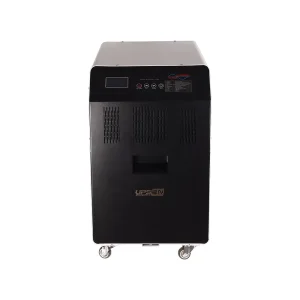
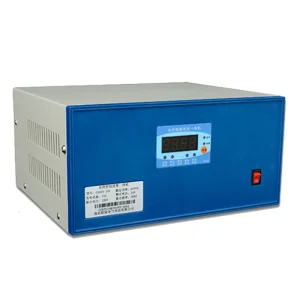
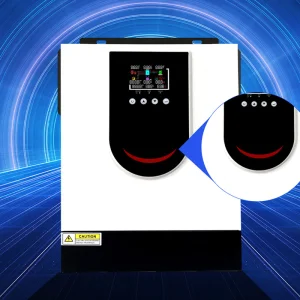
How Namibian enterprises utilize our integrated solar inverters and chargers to lower operational expenses and ensure grid resilience.
Remote eco-resorts in the Namib-Naukluft and Etosha regions operate completely off the national utility grid. Our 8kW to 12kW hybrid integrated inverters manage daytime solar generation, charge lithium-ion battery banks, and regulate generator start/stop commands automatically. This provides silent power at night, reducing diesel fuel consumption by up to 85%.
Livestock farming in Karas and Hardap relies on groundwater extraction. Traditional solar water pumps operate only when the sun is directly overhead. Using our integrated inverters with built-in battery chargers allows farms to store excess energy and pump water during early morning or late evening, ensuring consistent hydration for livestock.
Industrial uranium and diamond mining basecamps in the Erongo Region deploy high-frequency, modular 12kW IP65 parallel systems. These integrated machines handle peak surge currents from heavy tools and ventilation fans while protecting delicate communication electronics from voltage sags and line noise.
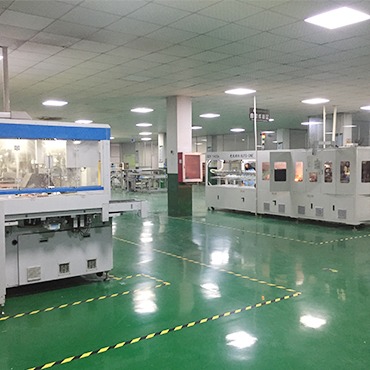
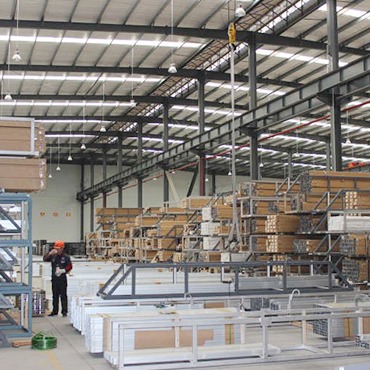
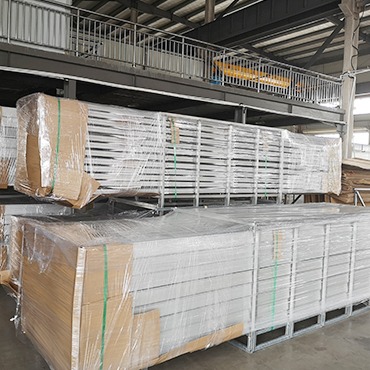
How automated production and rigorous quality assurance pipelines deliver reliable power electronics for global markets.
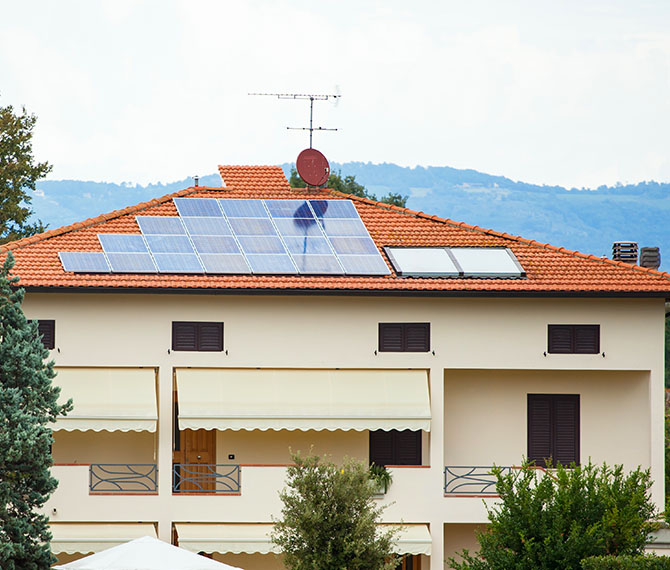
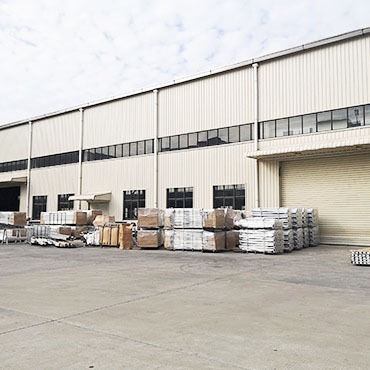
We specialize in R&D, manufacturing, system integration, sales, and service for photovoltaic solar panels, solar mounting systems, solar inverters, and solar panel cleaning machines. Our professional system engineering and technical teams design reliable, high-performance solutions. We continue to innovate and improve our renewable energy product portfolio to help create a cleaner, brighter world.

Our company follows the ISO9001 quality system strictly. All products are certified by CE. With excellent quality and a strong reputation, our solar panels, solar systems, and solar cleaning machines have been exported to more than 100 countries worldwide.

We offer warranties (with extensions supported) on all our products. Our professional technical team helps resolve operational questions via Video, Phone, and Email. We aim to ensure every customer receives top-tier support from day one and for years to come.
We are a professional solar energy company, and we also cooperate with many companies in different industries to bring customers different products, such as yoga mats.
 |
 |
 |
 |
Expert insights on grid codes, temperature management, and storage system engineering for the Namibian market.
A: Our systems use intelligent thermal derating algorithms. Instead of shutting down when temperatures rise, the inverter gradually reduces its peak output capacity while keeping the MPPT battery chargers running at full capacity. The internal layout isolates hot components (like inductors and heat sinks) from sensitive control electronics to extend overall component life.
A: Yes. Our hybrid solar inverters feature built-in certified anti-islanding protection (compliant with IEC 62116 / 61727). This automatically disconnects the solar feed when the grid goes down, preventing power from feeding back into utility lines and protecting service technicians during repairs.
A: Integrated architectures combine the MPPT charge controller and inverter into a single chassis. This eliminates the need for external DC cabling between units, reducing power losses and installation time. It also allows a single central display or remote app to monitor both energy production and battery status.
A: Yes, our inverters include pre-programmed profiles for both LiFePO4 and lead-acid batteries. They feature direct RS485 / CAN bus communication ports that interface with the battery’s BMS (Battery Management System), allowing the inverter to adjust charge current and voltage limits based on real-time cell temperatures and voltages.
A: Dust and salt mist can cause short circuits in standard open-ventilation inverters. Our industrial units feature IP65 enclosures that isolate the electronics compartment from ambient air. External cooling fans are mounted outside the sealed chassis to dissipate heat without pulling dust or salt into the circuit boards.
Industrial, commercial, and residential solutions optimized for high performance and durability.
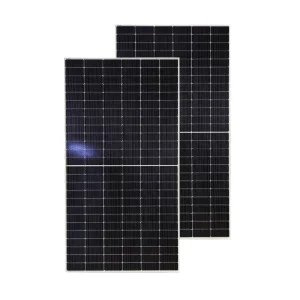

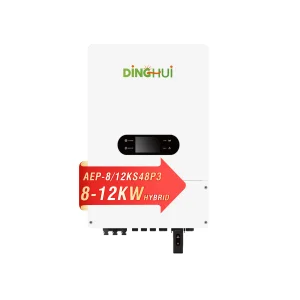
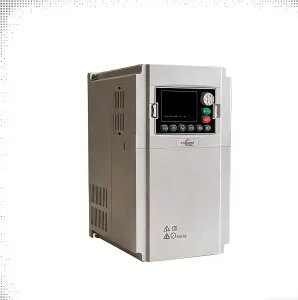
Connect with our technical design team to request layout diagrams, electrical certifications, and competitive bulk pricing for the Namibian market.
Send Inquiry Now Stuart Solar