Engineered for high temperature tolerance, individual panel MPPT tracking, and plug-and-play modular expansion under off-grid and unstable grid scenarios.
An in-depth analysis of decentralization, thermal durability, and yield maximization under equatorial sun conditions.
The Democratic Republic of the Congo (DRC) is endowed with immense solar resources, yet it experiences one of the lowest domestic and industrial electrification rates globally. The national power grid managed by the Société Nationale d'Électricité (SNEL) remains highly centralized and unstable, characterized by recurring rolling blackouts, severe voltage fluctuations, and lack of penetration in rural and peri-urban centers. For mining operations in Lualaba and Haut-Katanga, agricultural enterprises in the Kasai region, and residential developments in Kinshasa and Lubumbashi, relying solely on the grid is an operational risk.
Traditional centralized string inverters fail to deliver reliability in this demanding environment. A single faulty panel, dust coverage from mining dirt, or cloud cover in the Congo Basin can reduce the generation capacity of a conventional string system to the level of its weakest component. In contrast, micro solar inverters operate on a distributed module-level power electronics (MLPE) architecture. Each solar panel is paired with its own Dedicated Maximum Power Point Tracking (MPPT) system, ensuring maximum yield regardless of shading, dust accumulation, or individual panel degradation.
Exporting solar equipment to Sub-Saharan Africa, particularly the DRC, requires adherence to stringent engineering criteria. The equatorial climate presents dual challenges: high relative humidity in regions like Mbandaka and Kisangani, and high ambient operating temperatures coupled with dust-laden dry seasons in southern industrial centers.
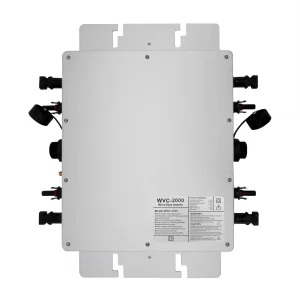
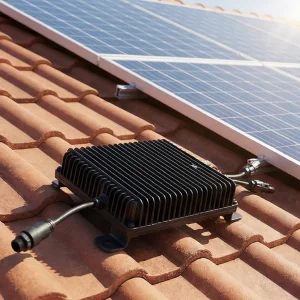
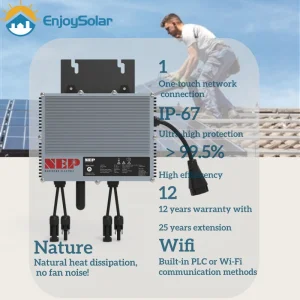
Unlike string inverters that require active fan cooling—which frequently fails due to dust accumulation—our microinverters utilize passive convection cooling via specialized thermal potting compounds, safeguarding the internal components against ingress and overheating up to 85°C internal temperature.
With an IP67 dustproof and waterproof rating, our units can withstand severe tropical rainstorms and high humidity levels. The dual-stage galvanic isolation isolates DC inputs from the AC output, preventing any surge propagation from the unstable grid back to the PV panels.
Exporting micro solar inverters to the Democratic Republic of the Congo requires a highly coordinated logistics flow. As a primary global exporter, we utilize two main shipping corridors to guarantee transit times and customs clearance efficiency:
Our E-E-A-T commitment does not end with shipping. We partner with local EPC firms and engineering groups in DRC to establish reliable warranty services. We provide comprehensive remote support systems via cellular-enabled (GPRS) gateway controllers. This ensures that even in remote areas where home WiFi is unavailable, system diagnostics and parameters are continuously monitored and updated remotely.
"Through module-level diagnostics, local service providers in Lubumbashi can identify issues down to the exact connector pin before dispatching technician support, reducing system downtime by up to 80%."
The requirements for power systems in the DRC vary widely across regions. In the capital city of Kinshasa, microinverters are deployed in hybrid configurations paired with compact lithium battery banks. This enables urban businesses to bridge daily grid disruptions seamlessly. In the eastern provinces of Kivu, microinverter technology supports critical agricultural cooling mini-grids, ensuring fresh produce is preserved for market distribution. In the mining centers of Katanga, our heavy-duty microinverters provide reliable backup power for perimeter security, remote communication towers, and administrative offices without the high diesel costs of heavy generators.
A comprehensive range of high-efficiency inverters and integrated balcony storage kits for residential, commercial, and agricultural electrification projects in DRC.
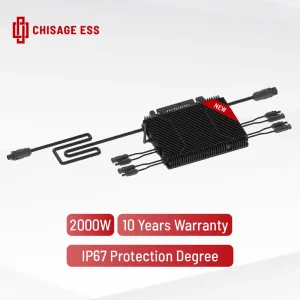
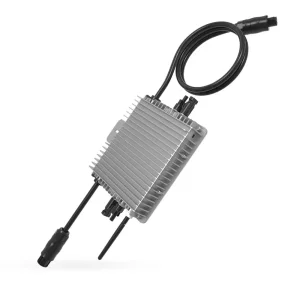
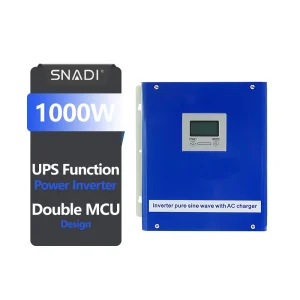
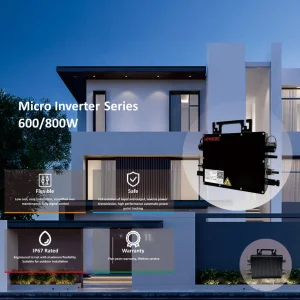
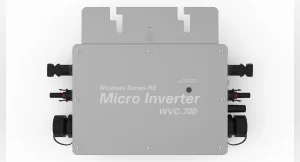
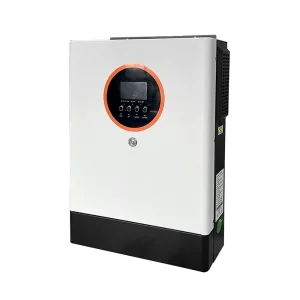
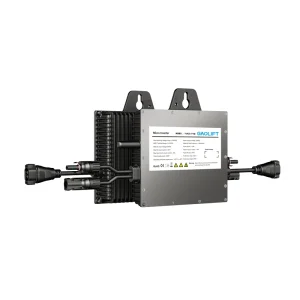
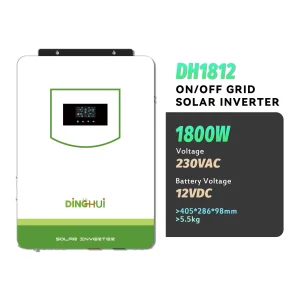
A roadmap of distributed solar technology, integration of microinverters with storage, and the evolution of smart microgrids.
The global solar market is moving toward smart, decentralized grid architectures. In areas like the DRC, where centralized utility infrastructure faces economic and physical development barriers, distributed technology acts as a direct technological leap. Microinverters allow grids to be built incrementally. A community, cooperative, or business can start with a small, affordable solar installation and expand it panel by panel as resources allow. This eliminates the massive upfront capital investment required for high-capacity centralized string arrays.
Furthermore, modern microinverters are designed with smart grid capabilities. They support grid integration protocols such as reactive power control, frequency adaptation, and automatic voltage regulation. These features allow microinverters to stabilize voltage locally instead of overloading regional grids. This capability is crucial for SNEL-connected clients in DRC urban centers who experience frequent voltage spikes and drops.
In many regions of the DRC, dust accumulation from copper-cobalt mines and unpaved roads acts as a major source of system inefficiency. When dirt settles unevenly on a string of solar panels, the current drops across the entire chain. Microinverters resolve this limitation because each panel operates independently. If three panels are partially covered in dust, the remaining clean panels continue to run at 100% capacity. Our systems can increase the annual energy yield of standard installations in DRC industrial zones by up to 20%.
Our technical team has also engineered advanced thermal profiles to mitigate efficiency loss. While traditional string inverters drop in performance at high operating temperatures, our microinverters maintain high-efficiency operation (CEC efficiency of 95.5%) even under direct equatorial sunlight.
Expert insights on deploying, maintaining, and sizing micro solar inverter networks in the Democratic Republic of the Congo.
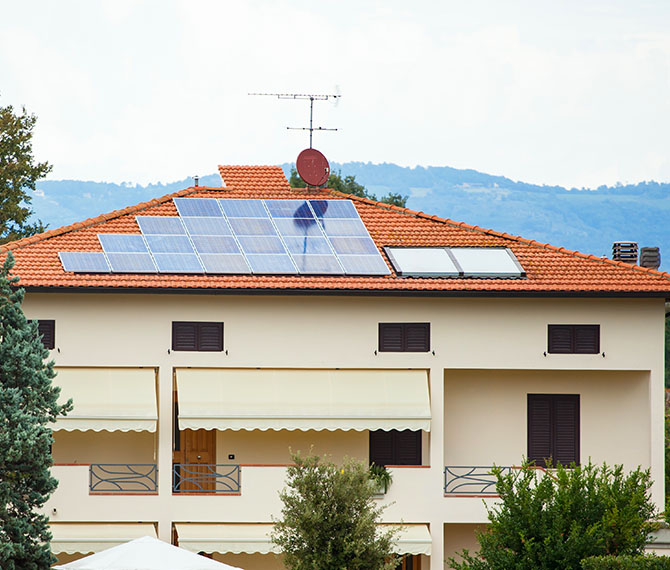
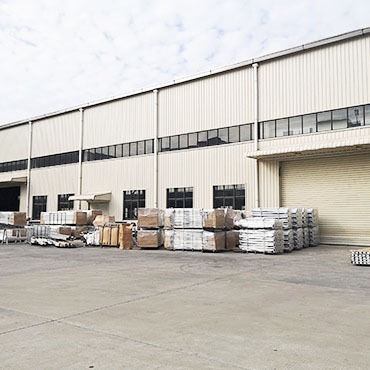
We mainly provide photovoltaic solar panels and solar mounting systems, solar inverters, and solar panel cleaning machines. We specialize in R&D, manufacturing, system integration, sales and service. Have a professional system engineer team and technical team to provide you with professional, reliable and trustworthy system solutions. We are determined to become a "one-stop solar energy supplier". We will continue to innovate and improve its renewable energy product portfolio to help create a cleaner and brighter world.

Our company follows ISO9001 quality system strictly. All products are certified by CE. With excellent quality and good reputation, Solar Panel, Solar System, and Solar Cleaning Machine have been exported to more than 100 different countries in the worldwide.

We offer all products with warranty (extended supported). Our professional technical team will help solve questions via Video, Phone call, Email, etc. We aim to let every customer receive the best service from the beginning, building lasting relationships.
We cooperate with many companies in different industries to bring customers different products, such as yoga mats:
 |
 |
 |
 |
 Stuart Solar