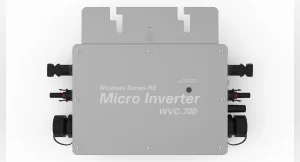
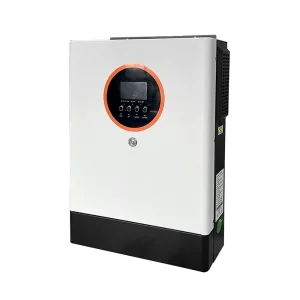
Product Overview
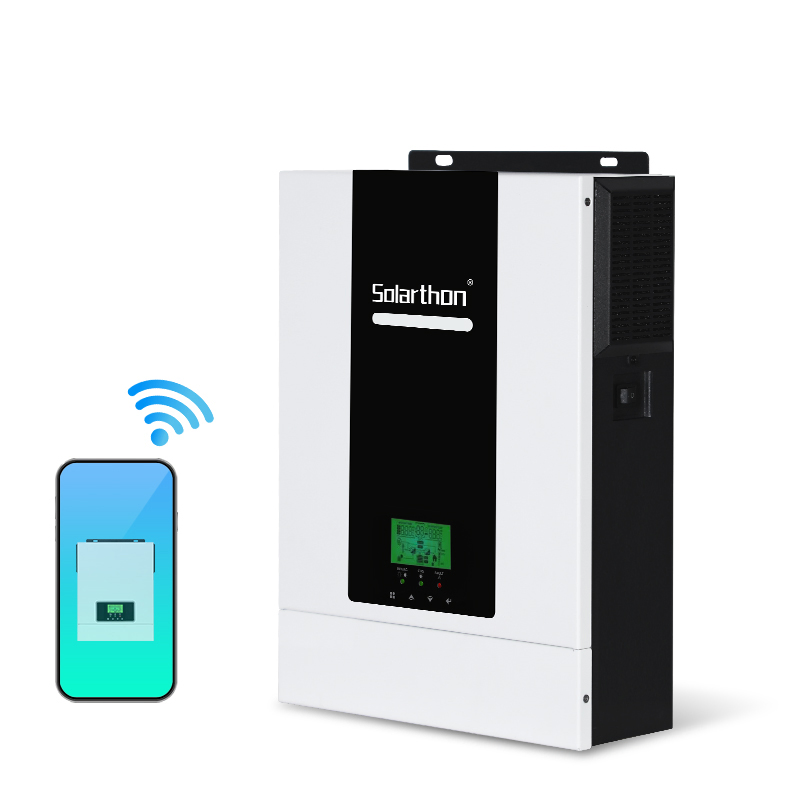
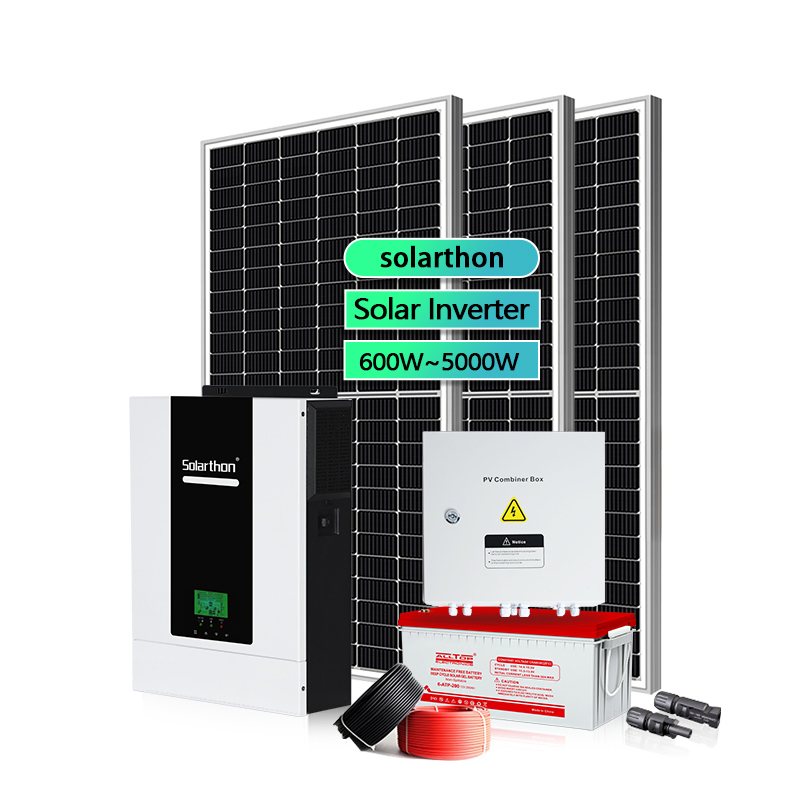
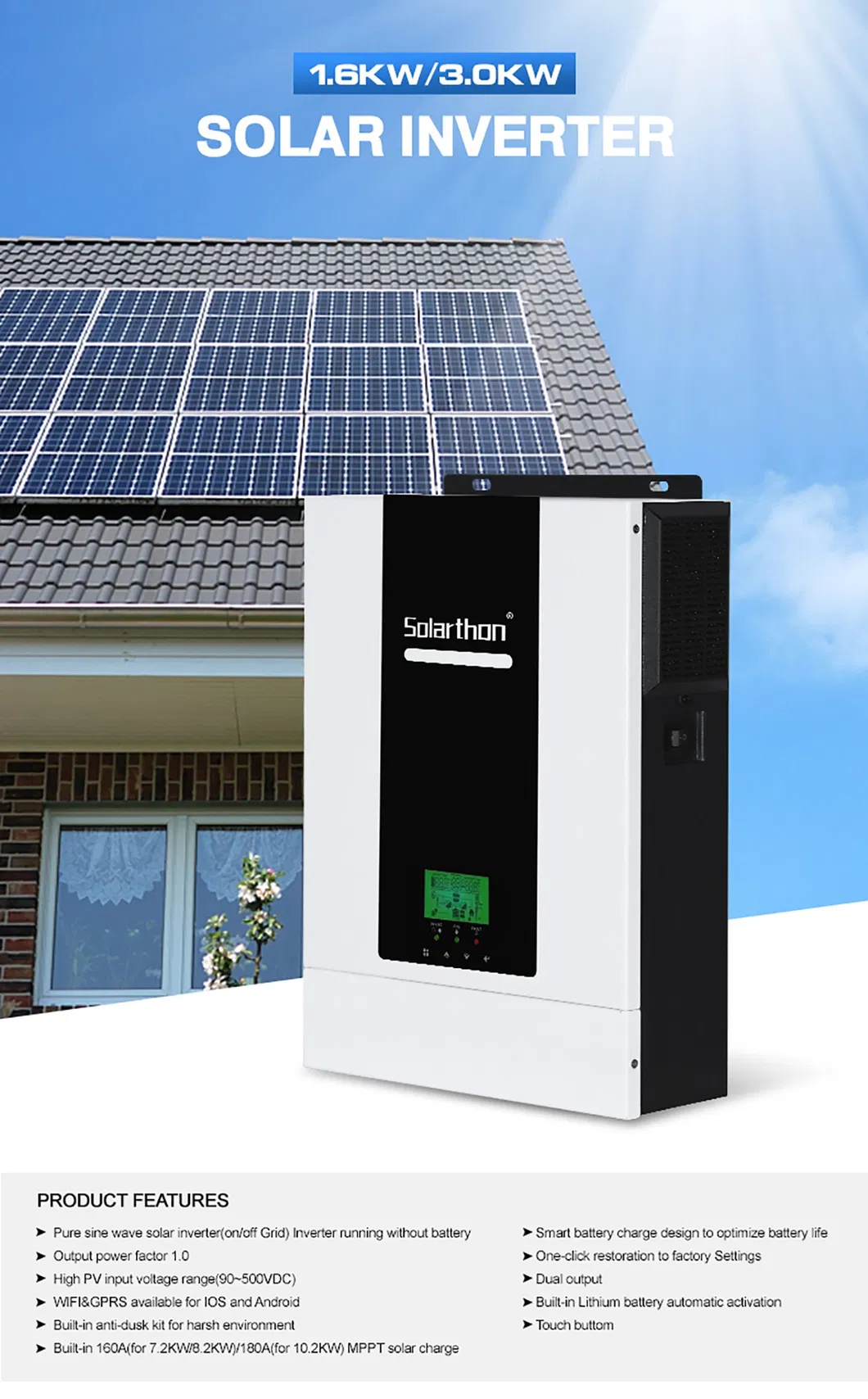
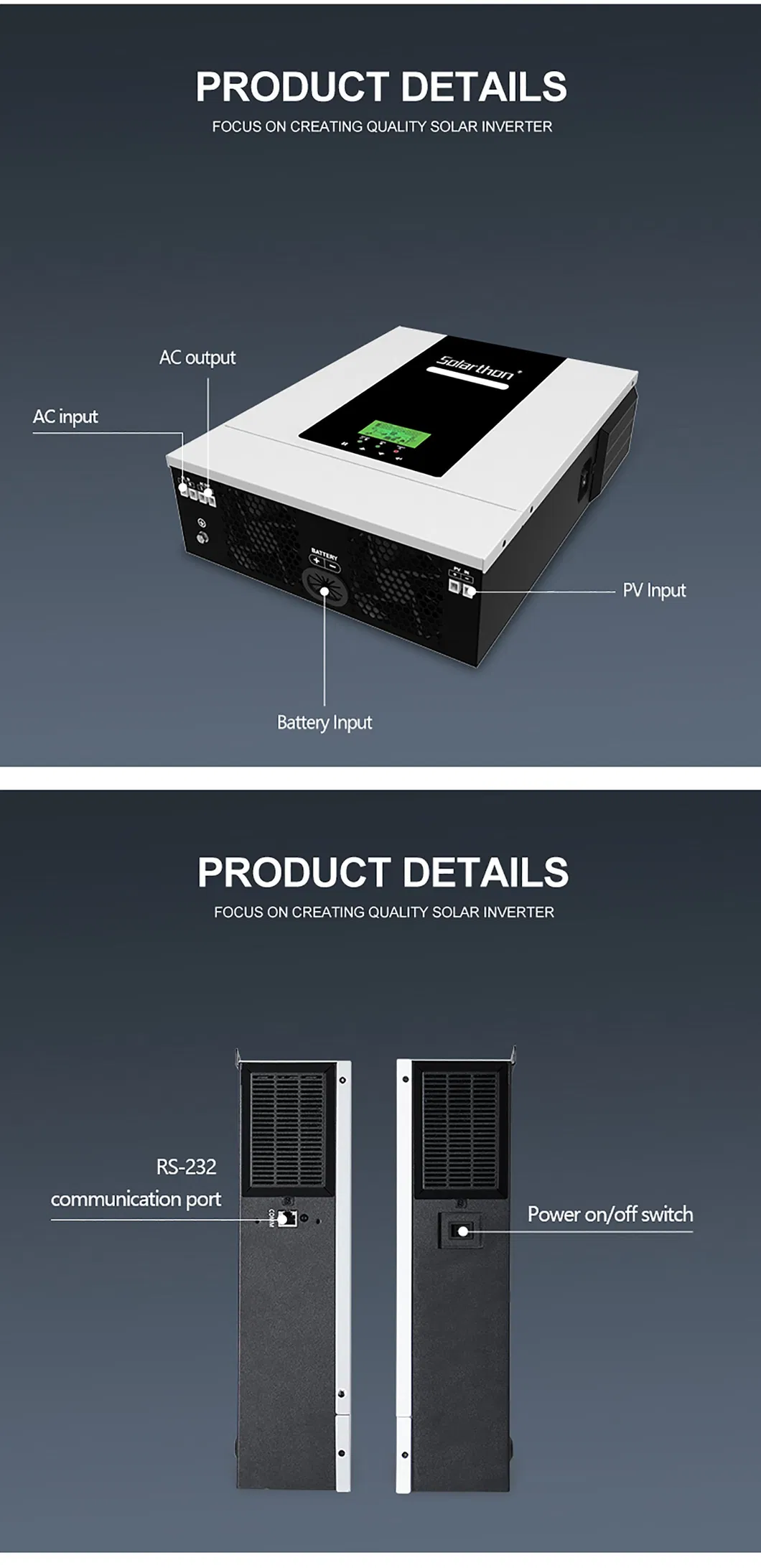
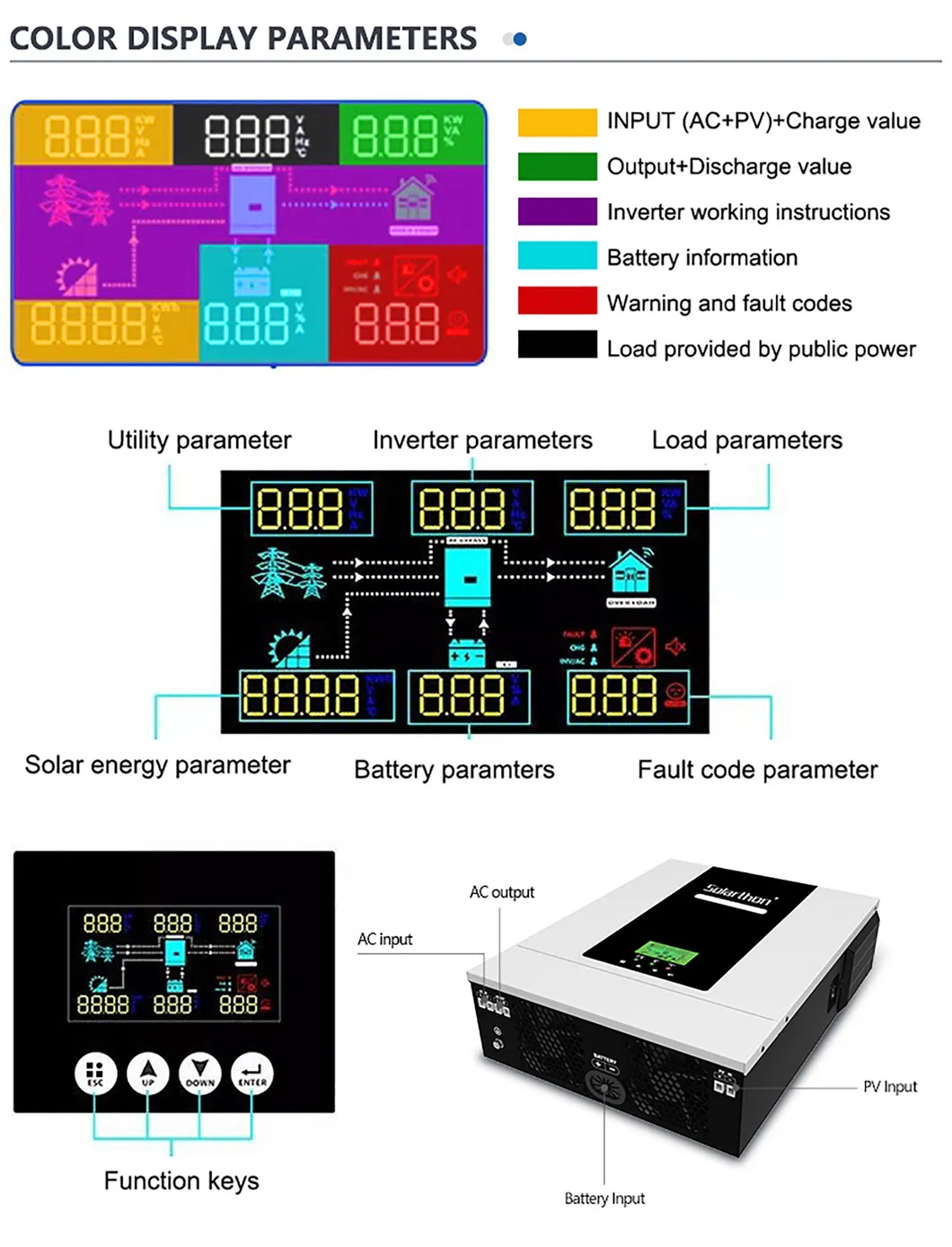
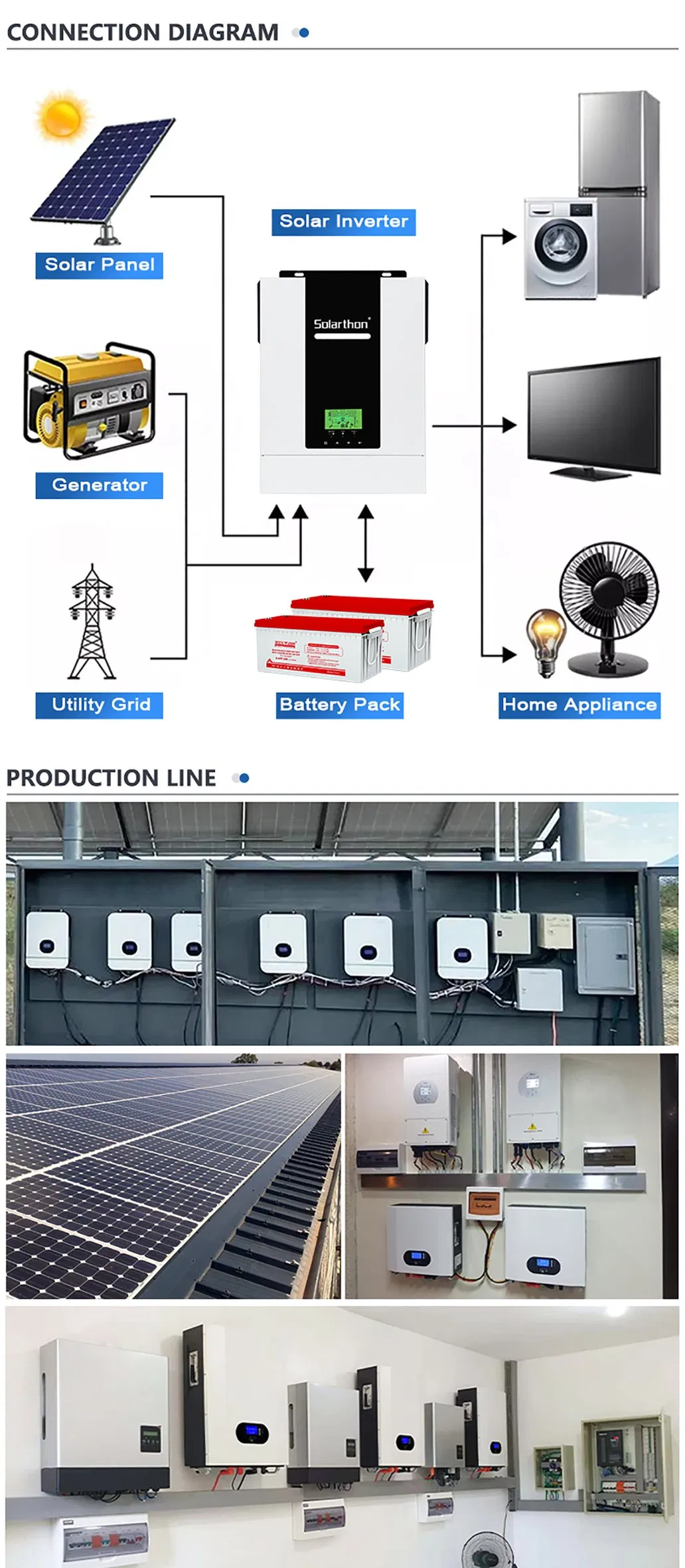
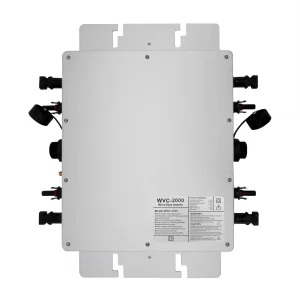
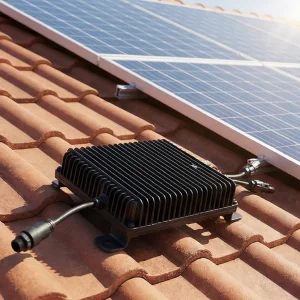
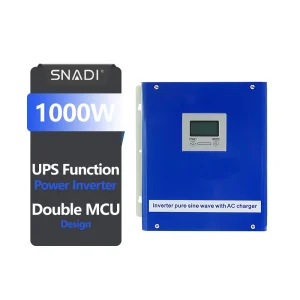
Hybrid solar inverter with MPPT charge controller is a new type of all-in-one hybrid solar inverter charger, multi-function inverter/charger, which combines the functions of inverter, solar charger and battery charger to provide uninterruptible power supply support in portable size. Support dual PV input, dual MPPT voltage tracking. RGB flexible with different working modes (purple photovoltaic mode; Red battery mode, blue utility mode).
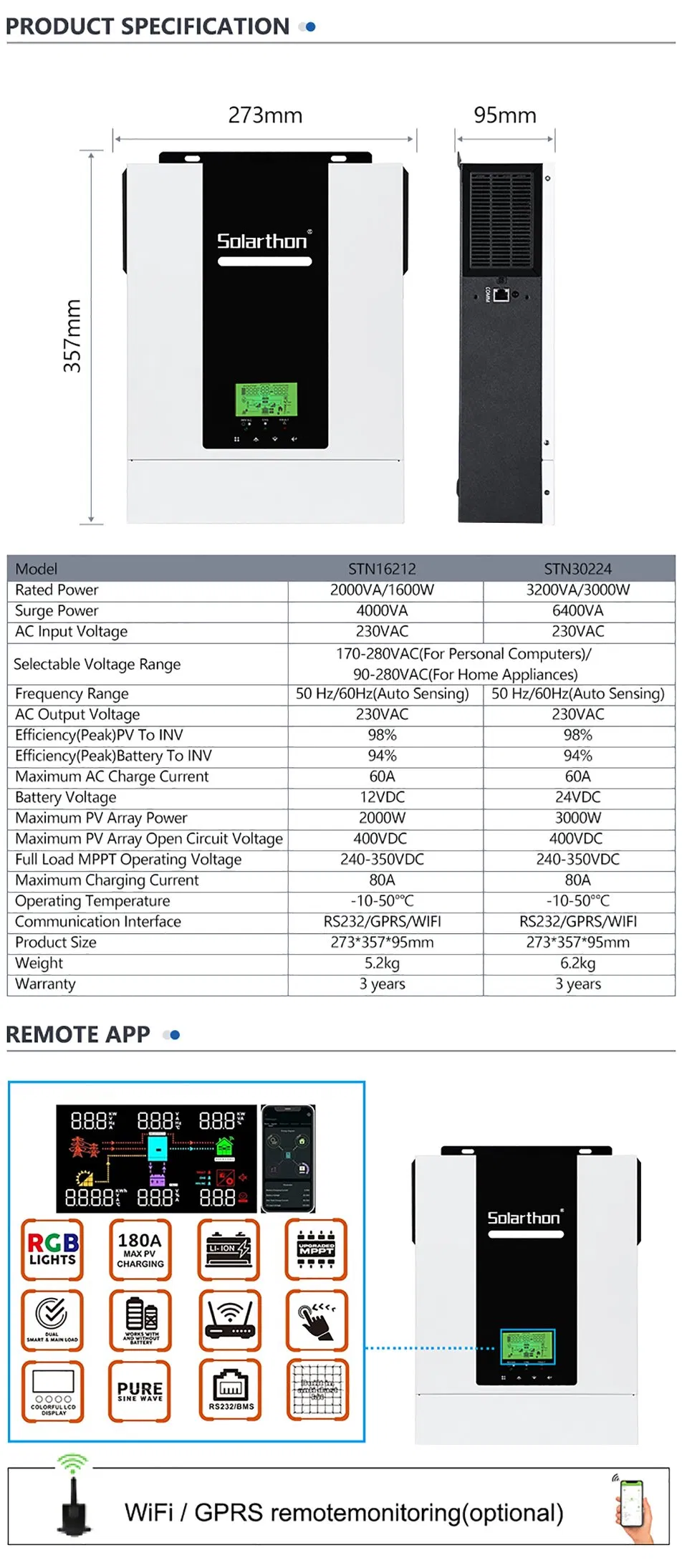
| Model |
STN16212 / STN30224 |
| Nature of Source Flow |
Active Inverter |
| Phase |
Single |
| Output Power |
>1000W |
| Certification |
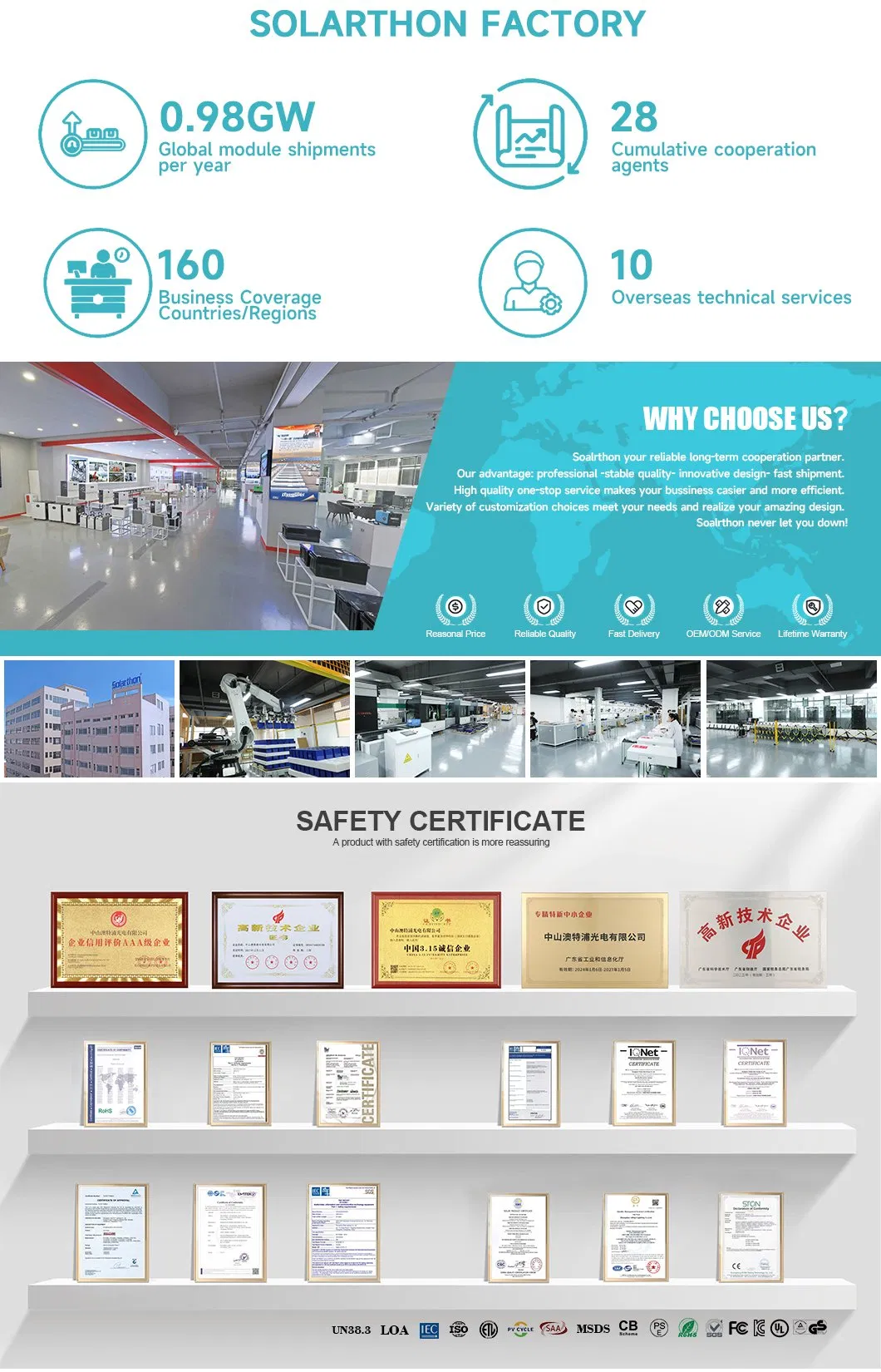
SAA, CE, ROHS, ISO9001, CCC |
| Type |
DC/AC Inverters |
| Power Source |
Solar Power |
| Rated Power |
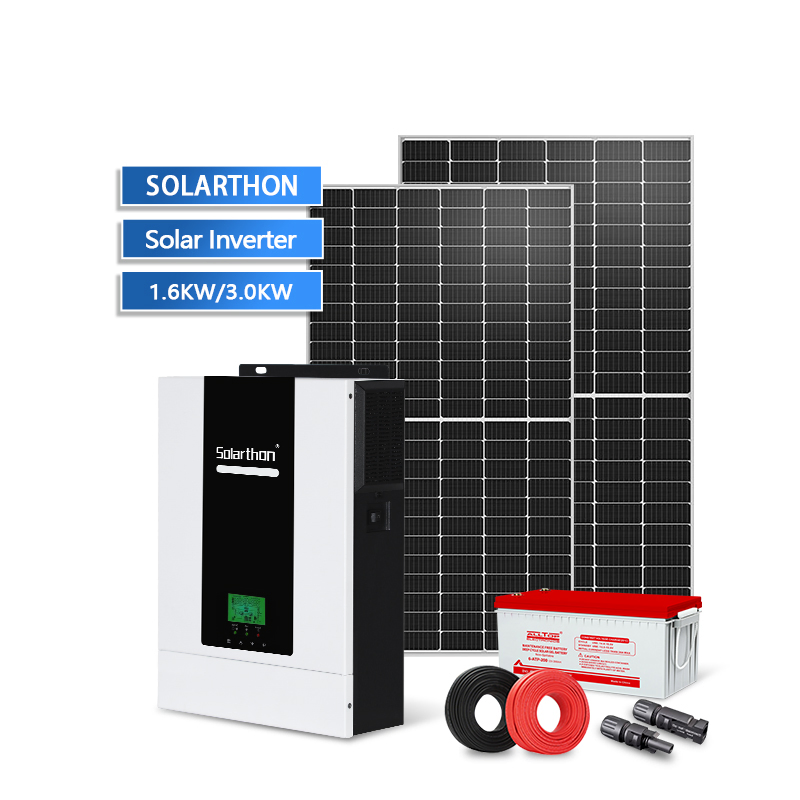
1.6kw / 3.0kw / 3.5kw / 5.5kw |
| Efficiency |
98% |
| MPPT Voltage Range |
30~400VDC |
| Communication |
RS232 / GPRS / WiFi |
Frequently Asked Questions
What is the difference between a pure sine wave inverter and a modified sine wave inverter?
Pure sine wave output is as good as the public power grid, if not better. It features a low repair rate, long lifespan, no harmonic pollution, and is environmentally friendly. Modified sine wave output can negatively impact inductive loads like air conditioners and refrigerators and may not work with certain motor control circuits.
What kind of appliances can these inverters load?
Our inverters can be used for household, office, and agricultural appliances, including inductive loads such as refrigerators, air conditioners, and water pumps.
How do I choose the right inverter for my needs?
The choice depends on your total power demand and the type of appliances you plan to run. Pure sine wave inverters are recommended for sensitive electronics and inductive loads.
What is the difference between 12, 24, and 48 Volt inverters?
This refers to the input voltage from the battery bank. Higher voltages mean lower current, allowing for smaller wires between the solar array and the battery bank. Your solar panels, inverter, and battery bank must all operate at the same voltage.
Is a power inverter absolutely required for a solar system?
Technically no, but without one, you will only have DC battery power. An inverter is necessary if you want to use standard AC appliances (220V or 230V).
What is the difference between low frequency and high frequency inverters?
Low frequency inverters offer more robust protection, are more reliable in various environments, and include better voltage regulation compared to high frequency models.
 Stuart Solar